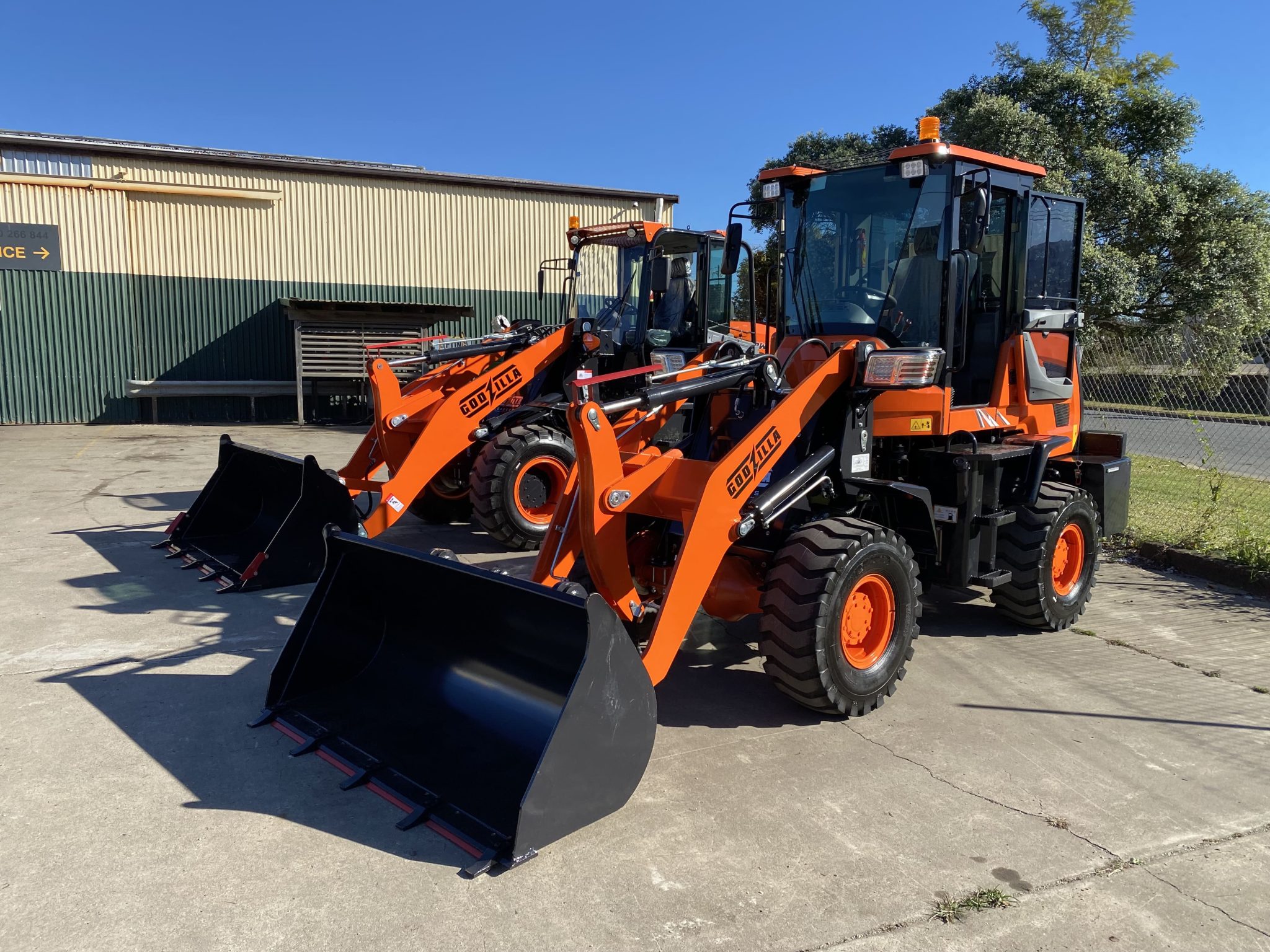
Productivity is one of the biggest factors influencing the success of construction, agricultural and landscaping businesses. Moving materials efficiently, reducing unnecessary downtime and selecting equipment that suits the job can help businesses manage their workloads more effectively. For many operators, investing in suitable front end loaders is an important step towards improving everyday operations.
However, choosing the right loader involves more than comparing prices or engine specifications. Businesses need to consider their working environment, material-handling requirements, operator needs and long-term operating costs. Understanding these factors can make equipment selection easier and help businesses get more value from their investment.
Why Equipment Selection Matters for Business Productivity
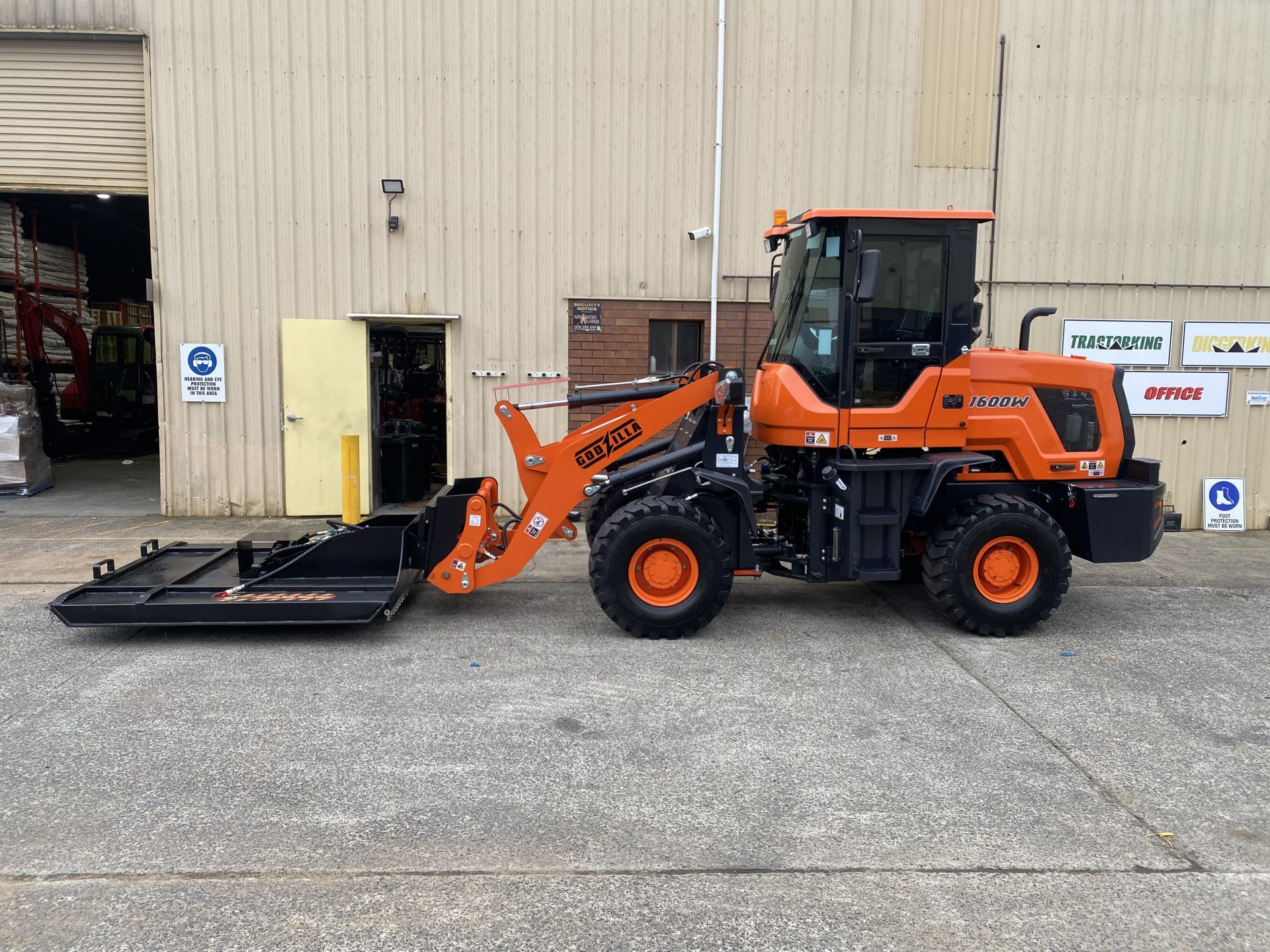
Every worksite has different requirements. A landscaping contractor working in residential areas may need compact machinery that can manoeuvre through narrow access points. An agricultural business may require equipment capable of moving feed, soil and other materials across a larger property. Meanwhile, construction operators may prioritise lifting performance and durability for repetitive loading tasks.
Selecting equipment that matches these requirements can help reduce unnecessary movements, minimise delays and improve workflow.
An undersized machine may struggle with demanding tasks, while an unnecessarily large loader can increase purchase and operating costs. The objective is to identify a machine that provides the right balance between capability, efficiency and practicality.
Before comparing models, list the tasks your business performs most frequently. This simple step can help establish realistic equipment requirements and prevent purchasing decisions based on specifications that have little relevance to your work.
Assess Your Material-Handling Requirements
The materials you handle should influence your loader selection. Soil, gravel, sand, mulch, agricultural products and palletised goods can have different weights, densities and handling requirements.
Start by identifying the typical loads you move, the distance materials travel and the height at which they need to be placed. These details will help you understand the bucket capacity, lifting performance and attachment requirements your operation demands.
It is important to distinguish between bucket volume and rated lifting capacity. A bucket may hold a particular volume of material, but the actual load weight depends on the material’s density and moisture content. Machine stability and lifting limits must also be considered.
Always consult the manufacturer’s specifications and operate within the rated limits. Choosing equipment based on realistic working loads rather than assumptions can help improve both safety and productivity.
Match the Loader to Your Worksite
Worksite conditions can significantly influence machine performance. A loader that works well on a wide, level construction site may not be the most practical choice for a confined residential property or uneven agricultural land.
Consider the following factors before making a decision.
Access and manoeuvrability: Check gate widths, shed entrances, turning space and the room available to operate around other equipment. Compact dimensions may be especially valuable where access is restricted.
Ground conditions: Assess whether the machine will operate on firm surfaces, loose gravel, wet soil or uneven terrain. Tyre selection, traction and ground clearance should suit the intended environment.
Working height: If materials must be loaded into trucks, trailers or storage areas, confirm that the machine can safely reach the required height.
Transport and storage: Consider machine dimensions, operating weight, transport arrangements and the space available for secure storage.
Taking time to assess these practical details can help prevent delays and make daily operations more predictable.
Evaluate Attachments for Greater Versatility
One of the advantages of a suitable loader is its ability to perform different jobs using compatible attachments. Instead of purchasing separate machinery for every task, businesses may be able to use one machine for several material-handling applications.
Depending on the loader’s design, compatible attachments may include general-purpose buckets, four-in-one buckets, pallet forks and agricultural forks.
A general-purpose bucket can assist with moving loose materials, while suitable forks can make handling compatible palletised loads more practical. Other attachments may be appropriate for specialised work, provided the machine is designed and approved for their use.
Before purchasing an attachment, confirm the mounting system, hydraulic requirements, load ratings and compatibility with the specific loader model. Attachment weight can affect the available lifting capacity, so compatibility should never be assumed.
The best approach is to identify your most frequent tasks and prioritise attachments that provide measurable benefits. Equipment versatility is most valuable when it addresses genuine operational needs rather than adding features that are rarely used.
Look Beyond the Initial Purchase Price
The purchase price is an important consideration, but it does not represent the complete cost of owning a loader. Fuel, servicing, repairs, attachments, insurance, transport and financing can all influence the total investment.
Businesses should estimate these expenses before choosing a machine. A lower-priced option may not offer the best overall value if it does not meet operational requirements or creates avoidable maintenance and downtime costs.
When comparing available equipment, review the specifications, included accessories, warranty terms and service arrangements carefully.
You can begin comparing available options through the Godzilla Loaders price list. Reviewing the available information alongside your workload and budget can help you prepare more specific questions before contacting a supplier.
It is also useful to consider expected utilisation. A business using a loader daily may evaluate ownership differently from an operator who only needs machinery for occasional projects. Where relevant, compare the projected cost of ownership against your existing equipment-hire expenses.
A realistic financial assessment helps you focus on value over the machine’s working life rather than the initial price alone.
Prioritise Operator Safety and Comfort
Equipment productivity depends partly on how safely and comfortably it can be operated. Controls, visibility, access, seating and protective features can influence the operator’s experience, particularly during longer working periods.
When comparing models, examine the operator’s station and ask about the safety features included with the machine. Review the operating manual, maintenance requirements and recommended procedures for handling loads on slopes or uneven surfaces.
Operators should receive appropriate training and understand the machine’s limitations before use. Loads must remain within rated capacities, and the work area should be assessed for pedestrians, obstacles, overhead hazards and unstable ground.
Routine inspections are equally important. Checking tyres, hydraulic hoses, fluid levels, attachments and other critical components according to the manufacturer’s instructions can help identify potential issues before they interrupt work.
A consistent maintenance routine supports dependable operation and helps protect the equipment investment.
Consider Maintenance and After-Sales Support
Regular maintenance is essential for businesses that rely on machinery to meet project deadlines. Before purchasing, understand the recommended service intervals, availability of replacement parts and support arrangements offered by the supplier.
Ask which maintenance tasks operators can perform themselves and which require a qualified technician. Confirm the warranty’s coverage, exclusions and conditions, and clarify the process for obtaining service if a problem occurs.
It is also worth checking how easily routine service points can be accessed. Practical maintenance access can make scheduled inspections more straightforward and help reduce avoidable servicing delays.
Businesses should consider these factors alongside purchase price and specifications. A machine that suits the workload, can be maintained appropriately and has clear support arrangements may be a more practical choice for long-term operations.
Compare Models Before Making a Commitment
Once you understand your requirements, compare shortlisted machines using the same criteria. Reviewing specifications consistently makes it easier to identify meaningful differences rather than being distracted by individual headline figures.
Check operating weight, bucket capacity, rated load, dimensions, engine specifications, hydraulic functions and attachment compatibility. Also confirm what is included in the quoted price and whether optional equipment or delivery costs apply.
Visual resources can provide another useful point of reference when researching equipment. The Godzilla Loaders video tours can help prospective buyers explore available equipment and prepare questions about features, operation and suitability.
Where possible, discuss your intended applications directly with the supplier. Explain the materials you handle, the available working space and the expected operating hours. Specific information makes it easier to determine whether a particular machine is appropriate for your needs.
Conclusion
Improving worksite productivity starts with selecting equipment that matches the demands of the job. The right front end loader can support efficient material handling, simplify recurring tasks and provide flexibility across suitable applications.
Before purchasing, assess your typical loads, worksite conditions, attachment requirements, maintenance expectations and total ownership costs. Compare specifications carefully, review safety requirements and seek clear information about warranty coverage and after-sales support.
For businesses exploring loader options, Godzilla Loaders provides a starting point for researching available equipment. By making a decision based on practical requirements rather than price alone, operators can choose machinery that better supports their day-to-day work and longer-term business objectives.