Keeping a home comfortable in East Texas can be challenging when outdoor temperatures shift between hot summer days and cooler winter weather. During summer, air conditioning systems work to remove heat from indoor spaces. When temperatures drop, homeowners need their heating systems to maintain a comfortable indoor environment. If insulation is inadequate or air leaks remain unaddressed, maintaining consistent temperatures can become more difficult.
Insulation helps slow the movement of heat through a home’s walls, ceilings, attic, and other parts of the building envelope. The right insulation strategy can also help reduce unwanted temperature differences between rooms and support more consistent indoor comfort. However, the best results depend on several factors, including the home’s construction, existing insulation, air leakage, moisture conditions, and the materials selected for the project.
For homeowners in Athens and surrounding East Texas communities, understanding these factors can make home improvement decisions easier. Rather than choosing an insulation product based on price alone, property owners should consider how their entire home manages heat, air movement, and moisture.
Why Insulation Matters in East Texas
East Texas homes experience seasonal weather conditions that can place different demands on their insulation systems. During hot weather, sunlight heats roofs and exterior walls, allowing heat to move toward indoor spaces. In winter, the temperature difference between a warm home and the colder outdoors can encourage heat loss through poorly insulated parts of the building.
Insulation slows this heat transfer, helping indoor temperatures remain more stable. The amount of improvement depends on the home’s starting condition, the quality of installation, the insulation material, and other factors such as windows, ductwork, and HVAC performance.
Without suitable insulation, certain rooms may become uncomfortable even when the thermostat is set to a reasonable temperature. An upstairs bedroom might become warmer during summer afternoons, while rooms above garages or near exterior walls may feel colder during winter.
These problems do not always mean a home needs a complete insulation replacement. Sometimes, the issue involves gaps around existing insulation, unsealed openings, poorly insulated ducts, or moisture damage. An assessment of the building envelope helps identify which improvements are likely to make the most difference.
How Insulation and Air Leakage Affect Indoor Comfort
Insulation and air sealing are closely related, but they perform different functions.
Insulation reduces the rate at which heat passes through building materials. Air sealing limits the movement of air through gaps, cracks, and openings. A home can have insulation installed throughout the attic and walls yet still experience comfort problems when air leaks remain untreated.
Common air leakage locations include attic access panels, plumbing penetrations, wiring openings, gaps around windows and doors, and connections between framing components. Depending on the construction, air may also move between the living space and an attic or crawl space.
During summer, unwanted air movement can introduce heat and humidity into indoor spaces. During colder weather, air leakage may allow conditioned indoor air to escape while bringing outdoor air inside. These issues can contribute to uneven temperatures and additional heating or cooling demand.
That is why an insulation project should consider the condition of the existing air barrier. Sealing suitable openings before adding insulation can improve the overall performance of the building envelope. The appropriate materials and methods depend on the location, surrounding construction, fire-safety requirements, and equipment clearances.
For example, openings around chimneys, flues, and heat-producing equipment require appropriate safety clearances and approved sealing methods. Insulation should never be installed in a way that blocks required ventilation or creates unsafe conditions around electrical or mechanical equipment.
Choosing the Right Insulation for Your Home
Different insulation materials serve different purposes. The most suitable choice depends on the area being insulated, the home’s existing construction, the required thermal performance, the available installation space, and the homeowner’s budget.
Fiberglass Batt Insulation
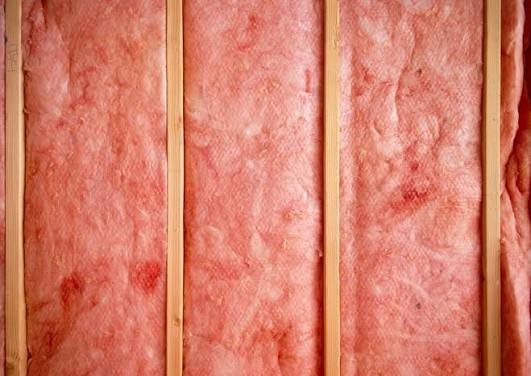
Fiberglass batts are commonly used in framed walls, ceilings, and other accessible cavities. They are supplied in sections designed to fit between framing members.
Proper installation is important. Batts should fit snugly around framing and suitable obstructions without leaving gaps or being compressed unnecessarily. Poorly fitted insulation can leave sections of the building envelope less protected than intended.
Fiberglass batts can be a practical option for homes with accessible framing cavities. However, they do not automatically seal air leaks, so appropriate air sealing may be needed as part of the project.
Blown-In Insulation
Blown-in insulation consists of loose insulation material placed into suitable cavities or distributed across an attic floor. It can provide relatively continuous coverage over large areas and around certain obstructions when installed correctly.
The material’s performance depends on the product, installed depth, density where applicable, and consistency of coverage. Installers should pay attention to areas near eaves, attic access points, recessed areas, and locations where insulation could interfere with ventilation or mechanical equipment.
Adding blown-in insulation may be appropriate when an existing attic has insufficient coverage but the current material remains suitable. If the existing insulation is wet, contaminated, or damaged, the underlying problem should be evaluated before new material is added.
Spray Foam Insulation
Spray foam expands during application and can form a continuous layer across suitable surfaces. Depending on the product and design, it can provide both insulation and air leakage control.
There are different types of spray foam, including open-cell and closed-cell products. Their properties and appropriate applications vary, so choosing between them requires consideration of the building assembly, moisture exposure, installation location, and project requirements.
Spray foam may be installed in selected wall cavities, roof assemblies, or other suitable areas. However, it is not automatically the best solution for every property. The installer must consider the home’s design and ensure that the completed assembly manages air movement and moisture appropriately.
Homeowners researching a local project can learn more about Spray Foam Insulation in Athens, TX when comparing options for improving their home’s thermal performance.
Why Attic Insulation Deserves Special Attention
The attic is an important part of the building envelope because it separates the living area from the roof. During summer, roofing materials absorb solar energy, and attic temperatures can rise well above the outdoor air temperature. When insulation at the attic floor is inadequate, more heat can transfer into the rooms below.
In winter, insufficient insulation can allow indoor heat to move upward and escape through the ceiling assembly. This may contribute to higher heating demand and differences in comfort between rooms.
An attic inspection should look at the amount and condition of existing insulation, coverage near the edges, gaps around penetrations, signs of pests, and evidence of water intrusion. Attic access panels and openings around pipes or wiring may also need attention.
Homeowners should understand that attic insulation can be installed in different locations depending on the attic design. In a traditional vented attic, insulation is generally placed at the attic floor. In certain designed unvented assemblies, insulation may be installed along the underside of the roof deck.
These approaches create different conditions and should not be treated as interchangeable. A roof-deck application requires careful consideration of moisture control, ventilation strategy, roof construction, and applicable building requirements.
For homeowners evaluating improvements to this part of their property, Attic Insulation Services in Athens, TX provide a relevant starting point for exploring local insulation options.
Managing Humidity and Moisture in East Texas Homes
Insulation can help improve thermal performance, but it cannot correct every moisture problem. Humidity and water intrusion need to be addressed separately when they affect the building assembly.
Moisture can enter a home through roof leaks, plumbing problems, drainage issues, ground moisture, or air movement. When humid air reaches a sufficiently cold surface, condensation may occur. Over time, persistent moisture can damage building materials and contribute to conditions that support mold growth.
East Texas homeowners should be particularly attentive to visible water stains, damp insulation, musty odors, and unexplained moisture in attics or crawl spaces. These signs deserve investigation before new insulation covers the affected areas.
Air sealing and insulation changes can also affect how moisture moves through a building. An insulation system that works well in one location may be unsuitable in another if it changes the drying potential or ventilation of the assembly.
Before an insulation upgrade, homeowners should identify existing leaks and moisture sources. Any water intrusion should be corrected, and wet or damaged materials should be evaluated for appropriate removal or repair. Where necessary, professional assessment can help determine the extent of the problem.
Can Better Insulation Reduce Energy Consumption?
A well-planned insulation project can help reduce heat transfer between indoor and outdoor spaces. When combined with suitable air sealing, this may reduce some of the workload placed on heating and cooling equipment.
However, the amount of energy saved varies from one home to another. A property with very little existing insulation may respond differently from a home that already has a well-insulated attic. HVAC efficiency, duct leakage, window performance, thermostat settings, and household habits also influence energy use.
Homeowners should be cautious about promises of guaranteed savings or a specific percentage reduction without an assessment of the property. Insulation is one part of an energy-efficient home, not a standalone solution to every energy problem.
A practical approach is to identify the home’s largest sources of unwanted heat transfer and air leakage first. Addressing those areas can help homeowners prioritize their budget and avoid investing in improvements that do not solve the main problem.
Signs Your Home May Need an Insulation Inspection
Insulation problems are not always visible from inside the house. Certain symptoms can indicate that a closer look may be worthwhile.
Rooms that remain too warm or too cold: Significant temperature differences may point to inconsistent insulation, air leaks, duct problems, or other building-envelope issues.
An HVAC system that runs frequently: Long operating cycles may be related to heat transfer, air leakage, equipment condition, or system sizing. Insulation is one factor worth evaluating.
Noticeable drafts: Air movement near attic access panels, windows, doors, or ceiling openings may indicate gaps that need further investigation.
Visible gaps or compressed material: Insulation that has shifted, become compressed, or lost coverage may not perform as intended.
Moisture stains or musty odors: These may indicate water intrusion or moisture-related problems that should be investigated before an insulation upgrade.
Changes in utility costs: A rise in energy bills can justify reviewing the home’s performance, although seasonal weather, energy prices, and household usage can also influence costs.
These warning signs do not automatically mean that new insulation is required. An inspection can help distinguish insulation deficiencies from HVAC, ventilation, or moisture problems.
What to Consider Before Hiring an Insulation Contractor
Choosing a contractor involves more than comparing the final prices of different estimates. Homeowners should understand the scope of the work, the products being proposed, and how the installation will address the property’s actual needs.
Start by asking where the insulation will be installed and why that location is appropriate. If additional attic-floor insulation is recommended, ask whether air sealing should be completed first. If spray foam is proposed for the roof deck, ask how the design addresses ventilation, moisture management, and applicable building requirements.
It is also important to discuss the condition of existing materials. Damaged or wet insulation may require attention before new material is installed. An estimate should explain whether preparation, removal, air sealing, cleanup, and other necessary work are included.
Ask about product specifications and installation requirements. Spray foam products, for example, must be applied under the conditions specified by the manufacturer. Required thickness, curing procedures, ventilation during application, and re-entry instructions should be followed.
Homeowners should also ask whether the recommended work could affect attic access, mechanical equipment, roof inspection, or future maintenance. A clear explanation of these details can make it easier to compare proposals and set realistic expectations.
Why Local Knowledge Matters for Insulation Planning
Homes in the same town can have very different insulation needs. One property may have an older attic with limited insulation, while another may have newer construction but poorly sealed penetrations. Some homes have ductwork in the attic, while others keep most mechanical equipment within conditioned spaces.
Roof design, building age, framing, existing ventilation, and past renovation work can all influence the right approach. Local weather patterns are useful context, but the final decision should be based on the specific property rather than assumptions about every house in the region.
Working with an insulation contractor who can explain these differences helps homeowners understand the available options. A thoughtful recommendation should identify the problem, describe the proposed solution, and explain any limitations or additional work that may be needed.
Property owners seeking information about insulation options can explore the services and resources available from a spray foam insulation company in Texas. The best project plan will depend on the property’s condition, the homeowner’s goals, and the suitability of the proposed materials and installation method.
Frequently Asked Questions
How do I know if my home needs more insulation?
Uneven indoor temperatures, visible gaps, low attic insulation levels, and persistent comfort problems may indicate that an assessment is appropriate. An inspection can help determine whether the issue involves insulation, air leakage, ductwork, or another part of the home.
Is spray foam insulation better than fiberglass?
Neither material is best for every application. Spray foam can provide insulation and air leakage control in suitable assemblies, while fiberglass can be a practical option for many framed cavities and attic floors. The right choice depends on the location, design, moisture conditions, and installation requirements.
Should air leaks be sealed before adding attic insulation?
Suitable air leaks should generally be addressed before additional insulation is installed. The sealing method must be appropriate for each location and comply with fire-safety requirements and equipment clearances.
Does insulation eliminate humidity problems?
No. Insulation can affect heat transfer, but it does not repair roof leaks, solve drainage problems, or automatically control indoor humidity. Moisture sources should be identified and corrected as part of a complete building-performance plan.
When should homeowners schedule an insulation inspection?
An inspection can be useful before a renovation, when comfort problems persist, or when there are signs of damaged insulation or moisture. Homeowners do not need to wait for a particular season if a problem needs attention.
Conclusion
Creating a comfortable, energy-conscious home in East Texas requires more than choosing an insulation material. The home’s attic, walls, air barriers, ventilation arrangements, and moisture-control measures all influence how well the building performs throughout the year.
A careful evaluation helps homeowners determine whether they need additional attic insulation, spray foam in suitable areas, air sealing, or repairs to address underlying moisture problems. Taking the time to understand the existing conditions can lead to better-informed decisions and a more appropriate insulation plan.
For homeowners in Athens, TX, the most useful next step is to assess the property, identify the main sources of heat transfer or air leakage, and compare insulation solutions that fit the home’s design and long-term needs.