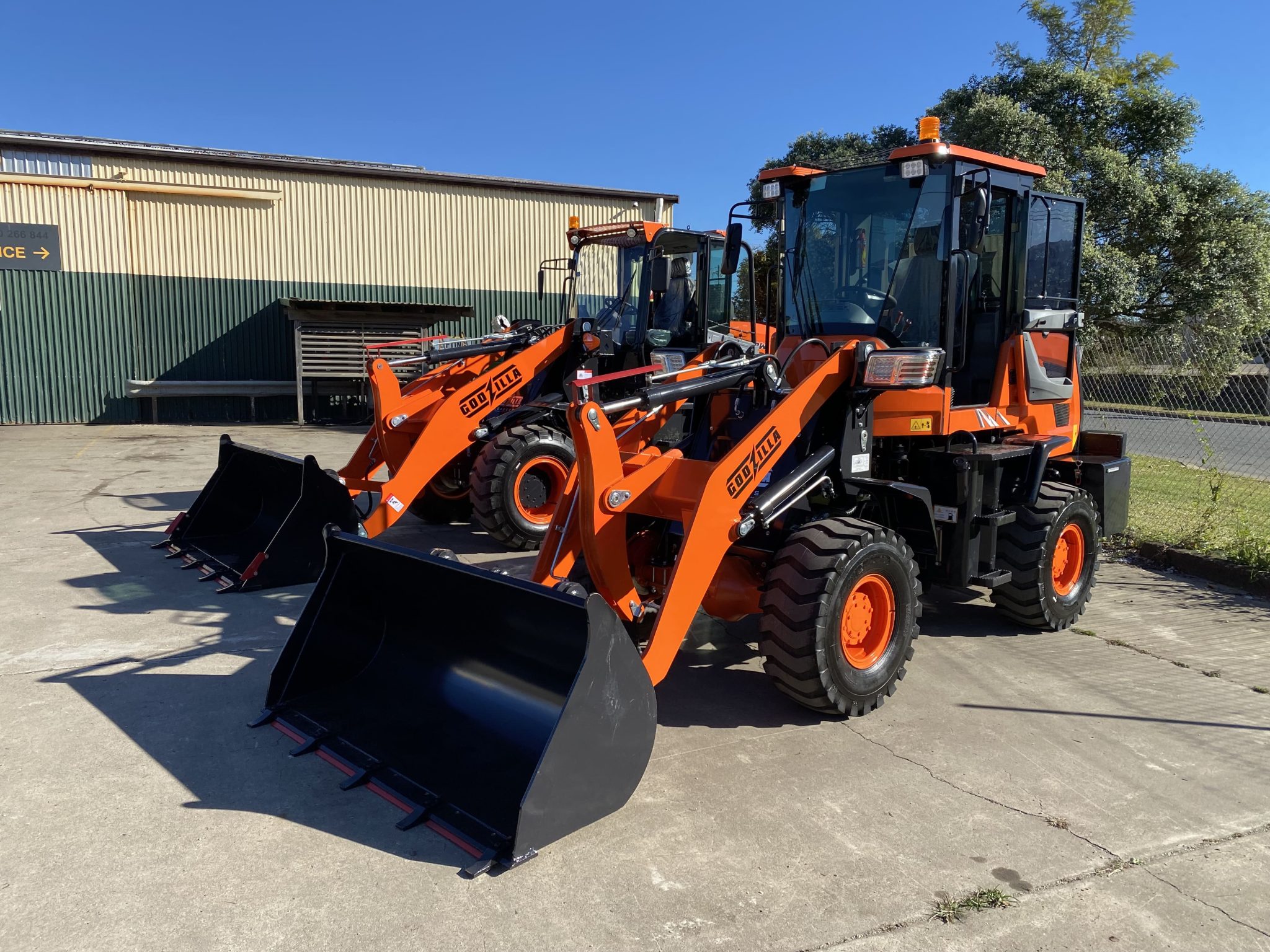
Efficient material handling is essential for businesses that manage warehouses, construction supplies, manufacturing operations or agricultural products. Choosing the right forklift can help streamline daily tasks, improve stock movement and make better use of available workspace. For Australian businesses exploring equipment options, Forklift King provides a starting point for researching forklifts suited to different operational requirements.
However, buying a forklift is not simply about choosing the machine with the highest lifting capacity or the lowest purchase price. Businesses need to consider load requirements, working conditions, lifting height, operator safety and long-term ownership costs. Understanding these factors before making a purchase can help you select equipment that fits your operation.
1. Identify Your Material-Handling Requirements
Before comparing forklift models, examine the tasks your business performs every day. Consider the weight and dimensions of typical loads, how frequently materials are moved and the distance they travel around your site.
A warehouse handling standard pallets may have different requirements from a building supplier moving heavy construction materials. Similarly, an agricultural business working outdoors may need a forklift designed to handle uneven surfaces.
Start by answering a few practical questions:
- What is the maximum weight you need to lift?
- How high must materials be raised or stacked?
- Will the forklift operate indoors, outdoors or in both environments?
- How narrow are the aisles and access points?
- How many operating hours will the machine typically complete?
These answers establish a useful foundation for comparing suitable equipment. They also help prevent the common mistake of purchasing a forklift based on general specifications rather than actual workplace demands.
2. Understand Forklift Types and Their Applications
Different forklifts are designed for different environments, so understanding the available options is an important part of the buying process.
Diesel forklifts: These machines are often considered for outdoor material handling, industrial yards and applications requiring substantial lifting capability. Their suitability depends on the work environment, emissions requirements and ventilation.
Electric forklifts: These may suit warehouses and indoor facilities where exhaust emissions are a concern. Battery charging arrangements, operating hours and the availability of charging infrastructure should be considered.
All-terrain forklifts: Designed for appropriate outdoor applications, these machines may be useful on uneven ground or sites where ordinary warehouse forklifts are unsuitable. Tyres, traction, ground conditions and the manufacturer’s operating limits remain important.
Specialised forklifts: Certain operations may require specific mast configurations, attachments or other equipment designed for particular loads and working conditions.
The right option depends on how and where the machine will be used. Rather than assuming one type is universally better, compare each option against your site’s practical requirements.
3. Select the Correct Lifting Capacity
Lifting capacity is one of the most important specifications to check when buying a forklift. A machine must be capable of handling your intended loads safely, including when materials are raised to the required working height.
It is important to understand that a forklift’s rated capacity can change with load centre, mast height and attachment configuration. A load that appears suitable based on weight alone may exceed the machine’s permitted capacity under particular operating conditions.
Review the manufacturer’s data plate and load chart, and ensure the selected machine is appropriate for your heaviest routine loads. If your business handles irregular, long or unusually shaped materials, seek guidance on the correct configuration.
Businesses comparing different capacity options can explore the Forklift King price list to review available models and package information.
Taking time to compare capacity, lifting height and configuration can help you avoid purchasing equipment that is unsuitable for your most important tasks.
4. Consider Mast Height and Workplace Layout
A forklift’s mast configuration affects how high it can lift materials and whether it can operate effectively within your facility.
For example, a business stacking pallets in a low-storage area may have different requirements from a distribution centre using taller racking. Before choosing a model, measure the highest storage position, ceiling clearance, door openings and other overhead obstructions.
Mast height is only part of the decision. You should also consider the forklift’s overall dimensions, turning radius and aisle width. A machine that can lift to the required height may still be impractical if it cannot manoeuvre safely through the available space.
Attachments and optional features may also affect the machine’s dimensions and lifting performance. Confirm that the complete configuration is suitable for your workplace rather than evaluating the forklift in isolation.
Careful planning can help businesses improve the movement of goods while reducing unnecessary manoeuvring and interruptions.
5. Evaluate Tyres, Traction and Ground Conditions
The operating surface plays an important role in forklift selection. Smooth warehouse floors, concrete loading areas, gravel yards and uneven outdoor ground place different demands on a machine.
Assess the surfaces where the forklift will travel most frequently. Consider slopes, drainage, surface damage, weather exposure and the distance between loading and storage areas.
For outdoor applications, suitable tyres and traction characteristics may be particularly important. Businesses working across uneven sites should investigate whether an all-terrain configuration is appropriate.
Do not assume that a forklift designed for outdoor work can safely operate on every surface. Ground stability, load position, gradients and weather conditions all influence safe operation.
Selecting equipment that suits the actual site conditions can help improve practicality and reduce avoidable operational difficulties.
6. Calculate the Total Cost of Ownership
The initial purchase price is only one component of the cost of owning a forklift. A more complete assessment considers the expenses associated with operating, maintaining and supporting the machine throughout its working life.
These costs may include:
- Purchase price and financing charges.
- Fuel or electricity consumption.
- Scheduled servicing and replacement parts.
- Tyres, batteries or other wear components.
- Insurance and transport.
- Operator training and compliance requirements.
- Repairs and potential downtime.
Compare quotations carefully and check what is included in each package. Optional attachments, upgraded masts, safety equipment and delivery arrangements may affect the final price.
You should also consider how frequently the forklift will be used. A machine operating throughout the day may require a different financial assessment from one used occasionally.
If you are comparing buying with hiring, estimate your expected usage and compare the likely costs over a realistic period. Include maintenance and downtime rather than considering hire charges alone.
A total-cost approach helps businesses evaluate long-term value instead of making decisions based exclusively on the advertised purchase price.
7. Make Safety and Operator Training a Priority
Forklifts are powerful industrial machines, and safe operation must remain a priority in every workplace. Choosing suitable equipment is only one part of an effective safety system.
Before purchasing, consider visibility, controls, operator access, restraint systems and the safety features appropriate to the intended application. Review the operating manual and understand the machine’s limitations.
In Australia, businesses should also check the applicable workplace health and safety requirements. High-risk work licensing requirements can apply to certain forklift operations, including operating a forklift truck classified as a high-risk work activity. Employers should verify the relevant requirements for their jurisdiction and ensure operators have the necessary training and authorisation.
Workplace procedures should address pedestrian separation, load stability, speed limits, visibility and safe travel routes. Operators must follow the manufacturer’s instructions and never exceed rated capacities.
Regular inspections and scheduled maintenance are equally important. A well-maintained machine, supported by appropriate training and workplace procedures, can contribute to safer and more dependable material handling.
8. Review Warranty and After-Sales Support
A forklift is a long-term business asset, so it is worth understanding what support is available after purchase.
Before committing, ask about warranty coverage, servicing recommendations, spare parts availability and the process for reporting mechanical issues. Confirm which components are covered, what exclusions apply and whether the warranty has specific maintenance conditions.
Also consider how quickly your business could obtain assistance if the machine became unavailable. For operations that rely on daily material movement, unexpected downtime can disrupt deliveries, warehouse schedules and staff productivity.
Prospective buyers can review the Forklift King website and explore its equipment information before making an enquiry. Prepare a list of questions about your intended application, required specifications and expected operating conditions to make the discussion more useful.
Conclusion
Choosing the right forklift requires a balanced assessment of lifting capacity, mast height, operating environment, manoeuvrability, safety and total ownership costs. The most suitable machine is the one that matches your daily workload and workplace conditions while meeting the necessary safety requirements.
Start by documenting your typical loads and lifting heights, then compare suitable forklift types and configurations. Review the complete purchase package, understand the warranty conditions and make sure operators can use the equipment safely.
For Australian businesses researching equipment options, Forklift King offers a starting point for exploring available forklifts and their features. A careful, requirements-based approach can help you make a more informed purchasing decision and support efficient material handling over the long term.