“This article guides patients on how to choose a qualified specialist for pilonidal disease. It covers key surgical credentials, modern low recurrence procedures like the Cleft Lift, essential consultation questions and red flags to avoid when seeking long term relief.”
Finding the right specialist for pilonidal disease requires looking beyond general healthcare providers to experts who offer advanced, low recurrence techniques. If you have been searching for pilonidal cyst doctor near me, you likely know how frustrating and painful this condition can be when temporary treatments fail to deliver long term relief. Pilonidal disease occurs in the natal cleft at the base of the tailbone, where trapped hair, friction and moisture cause chronic sinus tracts, painful abscesses and recurrent infections. Because standard treatment approaches often result in high recurrence rates, selecting a provider with specialized experience is the single most critical decision in your healing journey.
Why General Care Often Falls Short
Pilonidal disease is often regarded as a mere skin infection or a simple cyst. In fact, it is more complicated than it may seem, being primarily caused by the structure of the anatomy of the cleft area. Thus, when a patient suffers from the first occurrence, they often seek help at an urgent care center, ER or any other primary care facility. Although these medical facilities may perform incision and drainage to deal with the acute pain and pressure in general, these actions do not provide a complete solution to the issue. I&D eliminates the current infection but it does not affect the infection pathway and deep natal cleft. The only option to cure this disease is to get from management of the acute state to deeper evaluation and treatment.
What Medical Credentials and Specialties to Look For
When searching for a physician who truly understands pilonidal disease, pay attention to their specific surgical background and area of focus.
- Board Certified Colorectal Surgeons: While general surgeons frequently operate on pilonidal cysts, board certified colorectal surgeons have dedicated fellowship training in the complex mechanics and soft tissue procedures of the pelvic and gluteal regions
- Pediatric Surgeons: Pilonidal disease overwhelmingly affects teens and young adults (ages 15 to 25). Pediatric surgeons at major children’s hospitals often run dedicated pilonidal centers and well versed in modern, low recurrence techniques
- High Volume Specialists: Pilonidal surgery is a field where volume directly correlates with success. A surgeon who performs fifty cleft lift procedures a year will consistently achieve better outcomes than a general surgeon who performs two traditional excisions a year
Understanding Key Surgical Techniques
Historically, the standard surgical approach was a wide excision cutting out a large area of tissue around the cyst and leaving the wound open to heal slowly from the inside out. This approach requires months of painful daily wound packing and carries a recurrence rate as high as 30% to 40%. A true pilonidal specialist will move away from old fashioned open wound methods in favor of modern, tissue sparing options, including advanced off-midline closures and innovative laser treatment options.
The Cleft Lift Procedure (Bascom Flap)
The Cleft Lift is considered the gold standard for complex or recurrent pilonidal disease. Instead of digging deep into the tissue, the specialist removes the diseased skin, cleans out the underlying sinus tracts and reshapes the natal cleft. By closing the incision off the midline (away from the deep cleft valley), the area receives better oxygenation, experiences less friction and heals with a success rate exceeding 95%.
Endoscopic Pilonidal Sinus Treatment
In cases that are not too advanced, specialists may be able to suggest EPSiT. This is a minor procedure that uses an ultra small fistuloscope to see inside the sinus tract through a video monitor. The doctor cleans away any debris, destroys the bad tissues and closes the tract without making any incisions.
Pit Picking and Phenol Application
Pit picking is an in office, minimally invasive procedure appropriate for minor, chronic pits without deep abscesses. The specialist removes the pit hair, cleans the tract and sometimes applies a chemical agent like phenol to seal the space. It involves virtually no downtime, though it may require minor touch ups if new pits form.
Essential Questions for Your Consultation
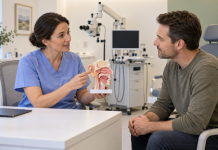
When meeting with a specialist for the first time, treat the appointment as a mutual interview. A confident, experienced surgeon will welcome detailed questions about their practice and outcomes.
- How many pilonidal procedures do you perform each year?
Ensure pilonidal disease is a major component of their clinical focus, not an occasional secondary procedure - What is your personal recurrence rate for the procedure you recommend?
An expert utilizing off midline flap closures or Cleft Lifts should quote a recurrence rate below 5%. - Do you favor off midline closures or open wound healing?
If a surgeon insists on traditional wide open wound excision as their primary recommendation, consider seeking a second opinion - What is the expected recovery timeline and post operative plan?
Ask who will handle your post op care and what daily hygiene or physical restrictions you must follow
Red Flags to Watch Out For
To avoid prolonged healing times and unnecessary suffering, be mindful of these critical warning signs during your search:
- Defaulting to Wide Open Excision: Avoid surgeons who routinely advise leaving large, open wounds that require months of packing, without discussing flap procedures
- Ignoring Cleft Anatomy: The deep gluteal gap promotes disease due to its anaerobic, high friction environment, according to specialists. If a surgeon addresses it as a superficial skin problem, they miss the cause
- Lack of Follow Up Structure: After surgery, close monitoring is needed for healing. Avoid clinics without structured follow up or clear hair removal and wound maintenance recommendations
Conclusion
Selecting the correct specialist is an investment in your long term health and quality of life. Pilonidal disease causes emotional distress, physical pain and interference with work or school. Instead of opting for unnecessary emergency procedures or old fashioned surgery, put the effort into finding specialized clinics and certified doctors utilizing the most effective off midline assessments to treat your condition. Going the extra mile to see an actual specialist may be the very thing that allows you to deal with this problem just once instead of having to go through repeated pain in the future.
Disclaimer
Medical Disclaimer
This content is provided for informational purposes only and does not substitute for professional medical advice, diagnosis, or treatment. Always consult a qualified healthcare provider regarding medical conditions or surgical options. For further information visit us at Pilonidal Expert.