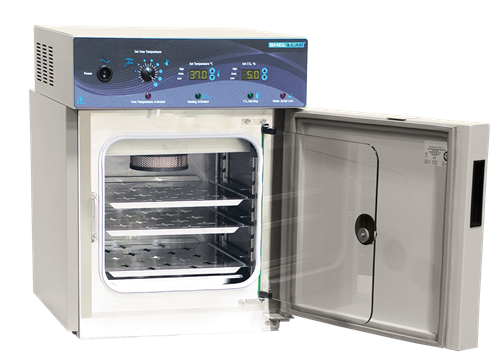
Choosing the right incubator is essential when you need consistent microbial growth, reliable experimental results, and reproducible laboratory procedures. Different microorganisms require specific temperatures, humidity levels, atmospheric conditions, and incubation periods to grow successfully. If you select equipment without considering these requirements, you may experience slow growth, contaminated cultures, or inconsistent results.
To make the right choice, you need to understand your target organism, the purpose of your experiment, and the environmental conditions your cultures require. By matching these factors to the incubator’s capabilities, you can improve laboratory efficiency and maintain better control over your microbial studies.
Identify the Growth Requirements of Your Microorganisms
Start by identifying the microorganisms you intend to cultivate. Bacteria, yeasts, molds, and other microorganisms have different environmental requirements. Even closely related organisms may respond differently to temperature, oxygen availability, and moisture.
Review your approved laboratory protocols to determine the optimal growth conditions for each organism. Consider the following factors:
Growth temperature: Determine the temperature range that supports your target organism.
Incubation duration: Establish how long cultures must remain under controlled conditions.
Atmospheric requirements: Check whether your organisms require aerobic, reduced-oxygen, or anaerobic conditions.
Humidity requirements: Identify whether moisture control is important for preventing sample drying or supporting your procedure.
Culture volume: Estimate the number and size of containers you need to accommodate.
For example, many routine bacterial cultures grow near 35–37°C, while some environmental microorganisms require considerably lower temperatures. These are general examples, not universal settings. Always follow the validated method and organism-specific requirements.
Select an Incubator With the Correct Temperature Range
Temperature is one of the most important factors influencing microbial growth. It affects enzyme activity, metabolism, reproduction, and overall culture development. An incubator that cannot maintain your required temperature consistently may compromise experimental outcomes.
Compare the equipment’s operating range with your intended incubation conditions. However, do not evaluate temperature range alone. Examine temperature uniformity, stability, recovery after the door opens, and the manufacturer’s stated accuracy.
A suitable laboratory incubator should maintain the required conditions throughout the usable chamber, not just near the temperature sensor. This becomes particularly important when you load multiple shelves or process several batches simultaneously.
Before purchasing, ask whether the incubator can accommodate your typical workload without creating significant temperature variations. Consider independent temperature monitoring and calibration requirements if your laboratory procedures depend on tightly controlled conditions.
Explore laboratory incubators for controlled microbial growth and temperature-sensitive research applications to compare equipment options with your laboratory’s requirements.
Determine Whether You Need Humidity or Atmospheric Control
Not every microbial experiment requires humidity regulation or specialized gas control. Your choice should depend on the organisms and the validated procedure rather than assuming that additional features are always necessary.
A standard incubator may be sufficient for routine cultures that require controlled temperature and ordinary atmospheric conditions. Other applications may need specialized equipment.
Consider these distinctions:
Standard laboratory incubators: Suitable for many routine microbiological and general incubation procedures within their specified capabilities.
CO₂ incubators: Designed to regulate carbon dioxide and temperature, with humidity features depending on the model. They are commonly used for mammalian cell culture and other applications requiring controlled CO₂.
Shaking incubators: Provide agitation alongside temperature control, making them useful for applications that require mixing or improved oxygen transfer in liquid cultures.
Specialized anaerobic systems: Required when cultures must be maintained without oxygen. A standard incubator alone does not create anaerobic conditions.
Check whether the selected unit provides the environmental controls your method requires. If it does not, determine whether a validated accessory or separate system is appropriate.
Match Chamber Capacity to Your Laboratory Workload
Chamber size influences workflow, sample organization, and environmental consistency. An incubator that is too small can restrict airflow and make routine handling difficult. An oversized unit may consume unnecessary space and energy.
Estimate your daily and peak sample volume before comparing models. Include the dimensions of culture flasks, tubes, plates, racks, and other containers you plan to use.
Look for adjustable shelves, easy-to-clean internal surfaces, suitable door access, and sufficient clearance around samples. Avoid overloading the chamber because crowded shelves can interfere with temperature distribution and make monitoring more difficult.
You should also consider whether multiple projects require different incubation conditions. If so, separate incubators may offer better control than attempting to run incompatible protocols in one chamber.
For laboratories with expanding workloads, choose equipment that accommodates foreseeable demand while remaining practical for your available space and budget.
Evaluate Cleaning, Contamination Control, and Maintenance
A reliable incubator must support both microbial growth and contamination prevention. Residue, spills, poor cleaning practices, and inadequate maintenance can compromise cultures and affect repeatability.
Before choosing a model, review the manufacturer’s cleaning instructions and the compatibility of internal materials with your approved disinfectants. Removable shelves and accessible chamber surfaces can simplify routine cleaning.
Establish procedures for cleaning spills, inspecting door seals, checking temperature performance, and documenting maintenance. If your laboratory handles different organisms or sensitive cultures, define appropriate segregation and decontamination practices.
Remember that an incubator is not automatically sterile simply because it maintains a controlled temperature. Use appropriate aseptic techniques and follow the biosafety requirements associated with your organism and procedure.
You should also confirm the availability of replacement parts, technical support, calibration services, and preventive maintenance guidance before committing to a particular model.
Compare Features Against Your Actual Application
Once you understand your microbial growth requirements, compare available equipment using a consistent checklist. This helps you avoid paying for unnecessary features or overlooking important limitations.
Evaluate each model for:
- Required temperature range and stability.
- Temperature uniformity and recovery performance.
- Chamber capacity and usable shelf space.
- Humidity, gas control, or agitation, when needed.
- Cleaning access and contamination-control features.
- Monitoring, alarms, and data-recording options.
- Energy use, footprint, warranty, and service support.
Ask the supplier for technical specifications and documentation relevant to your application. Where required, arrange installation qualification, operational qualification, performance qualification, or other verification activities according to your laboratory’s quality system.
For purchasing guidance, Global Lab Supply provides laboratory equipment resources to help you explore suitable options. Review your application requirements first, then compare the available equipment against your documented specifications.
If you need help identifying a suitable configuration, contact us today for assistance with selecting laboratory incubators for your microbial growth requirements.
Conclusion
Matching laboratory incubators to microbial growth requirements begins with understanding your organism and its environmental needs. Temperature range, atmospheric control, chamber capacity, contamination prevention, and maintenance requirements all influence your decision.
When you compare equipment against a documented list of experimental needs, you can choose an incubator that supports consistent growth, practical workflows, and reliable laboratory results. Prioritize validated conditions and essential features rather than selecting equipment based on capacity or price alone.
Frequently Asked Questions
1. What factors should you consider when choosing a laboratory incubator?
Consider the microorganism’s required temperature, atmospheric conditions, humidity needs, incubation duration, sample volume, chamber capacity, cleaning requirements, and monitoring features. Always confirm compatibility with your validated laboratory procedure.
2. What temperature should you use for microbial incubation?
The correct temperature depends on the organism and the purpose of your experiment. Many routine bacterial cultures use temperatures around 35–37°C, but environmental and other microorganisms may require different conditions. Follow your approved protocol.
3. Do all microbial cultures require humidity control?
No. Humidity control is necessary only when required by the organism, sample, or procedure. Review your protocol to determine whether moisture regulation is important for maintaining appropriate culture conditions.
4. Can you use one incubator for different microorganisms?
Yes, if their required conditions are compatible and your laboratory’s segregation and biosafety procedures permit it. When organisms require different temperatures or atmospheric conditions, separate incubators may be more appropriate.
5. How can you maintain consistent incubator performance?
Follow the manufacturer’s maintenance schedule, clean the chamber appropriately, monitor temperature, calibrate instruments as required, avoid overcrowding, inspect seals, and document maintenance. Verify performance according to your laboratory’s quality requirements.