Construction projects generate substantial amounts of waste, including lumber, drywall, roofing materials, packaging, and demolition debris. Managing these materials efficiently is essential for maintaining an organized job site, meeting project deadlines, and controlling cleanup costs.
Construction roll off containers provide a practical solution for collecting and transporting large volumes of construction waste. Available in different sizes and configurations, these containers help contractors, builders, demolition crews, and property developers manage debris throughout a project’s lifecycle.
Choosing the right construction roll off container can improve job-site organization, simplify waste removal, and help construction teams maintain a safer and more efficient working environment.
What Are Construction Roll Off Containers?
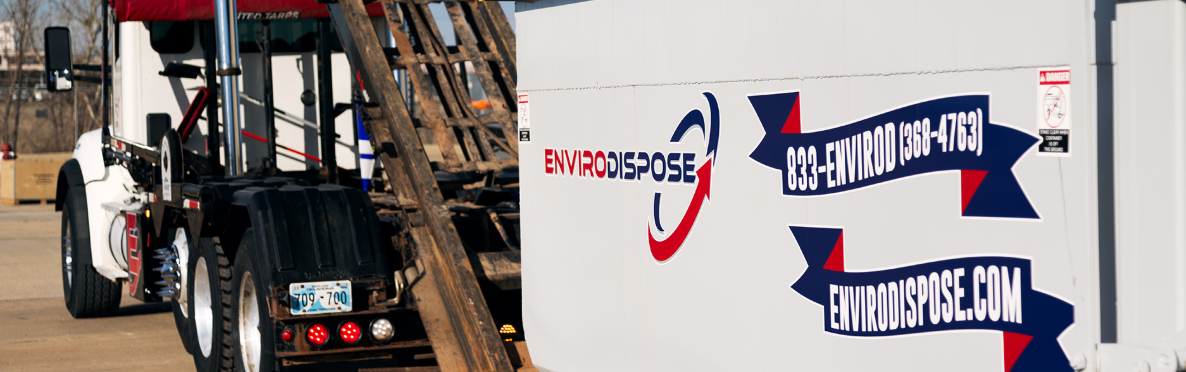
Construction roll off containers are large, open-top waste containers designed to be delivered to a job site and removed when they are full or no longer needed. Specialized trucks load and unload these containers using a rolling mechanism, making them suitable for temporary waste collection at construction and demolition sites.
Unlike small waste bins, roll off containers can accommodate larger quantities of debris generated during renovations, new construction, roofing, and demolition.
How Construction Roll Off Containers Work
The process generally begins with an assessment of the project’s waste volume, material types, and site requirements. The contractor selects an appropriate container size and arranges delivery.
Once positioned, the container collects waste generated during the project. When it reaches its permitted fill level or the rental period ends, the service provider arranges pickup and transports the container for disposal, sorting, or recycling as appropriate.
A typical workflow includes:
- Assessing the amount and type of construction debris.
- Selecting a suitable container size.
- Confirming delivery access and placement requirements.
- Loading approved materials safely.
- Scheduling pickup or replacement when needed.
- Directing waste to appropriate disposal or recovery facilities.
Who Uses Construction Roll Off Containers?
These containers are useful for a wide range of construction-related activities, including:
- Residential construction and remodeling.
- Commercial building projects.
- Demolition and structural renovation.
- Roofing replacement and repair.
- Flooring and drywall installation.
- Property cleanouts and site preparation.
- Landscaping and exterior construction.
The appropriate container depends on the project’s waste volume, material weight, available space, and disposal requirements.
Benefits of Roll Off Containers for Construction Sites
Using a dedicated waste container helps construction teams maintain control over debris while supporting daily operations.
Improved Job-Site Organization
Construction debris can quickly accumulate around work areas, entrances, and material storage locations. A designated container provides a central collection point, reducing scattered waste and helping keep walkways and work zones organized.
An organized site also makes it easier for crews to locate materials, move equipment, and complete cleanup tasks at the end of each workday.
More Efficient Waste Removal
Roll off containers accommodate larger waste volumes than many standard waste bins. This can reduce the need for frequent small-load collections and help contractors coordinate waste removal with project milestones.
For projects with substantial debris generation, arranging the right container and pickup schedule can reduce interruptions and keep work moving.
Better Job-Site Safety
Loose lumber, sharp metal, broken drywall, and other debris can create trip hazards or cause injuries. Centralized waste collection helps reduce these risks when combined with proper loading practices and routine site inspections.
Containers support safer job sites, but they do not replace the need for appropriate protective equipment, trained workers, and safe material-handling procedures.
Easier Project Coordination
Construction schedules often depend on several teams working in sequence. Waste containers can be delivered or replaced at planned stages, helping contractors prepare for demolition, framing, roofing, and finishing work.
Coordinating container services with the construction schedule can prevent debris from interfering with later activities.
Support for Waste Reduction and Recycling
Construction projects may generate materials that can be reused or recycled, such as clean wood, metals, cardboard, and certain types of masonry.
Separate collection arrangements can help divert suitable materials from disposal facilities. Requirements vary by material and location, so contractors should confirm which items are accepted by their service provider.
Common Construction Roll Off Container Sizes
Construction roll off containers are commonly described by their capacity in cubic yards. Available sizes vary by provider, and the right option depends on both the volume and weight of the debris.
| Container size | Typical applications | Important considerations |
|---|---|---|
| 10-yard | Small renovations, limited concrete or masonry projects | Heavy materials may reach weight limits quickly |
| 15-yard | Small remodeling and moderate cleanup | Useful when space is limited |
| 20-yard | General renovation, roofing, and construction debris | A common option for medium-sized projects |
| 30-yard | Larger renovations and substantial construction cleanup | Requires sufficient placement and access space |
| 40-yard | Large construction, commercial cleanup, and major demolition debris | Best suited to high-volume, relatively lightweight waste when permitted |
These are general examples rather than universal capacity recommendations. Container dimensions, weight allowances, and accepted materials differ among providers.
Choosing Between Small and Large Containers
Smaller containers can suit projects with limited debris or restricted placement areas. They may also be useful when heavy materials require careful weight management.
Larger containers accommodate more waste by volume, which can be advantageous for bulky materials such as wood, drywall, and packaging. However, a larger container is not automatically the best choice if access is limited or the debris is unusually heavy.
The best size balances waste volume, material weight, available space, and the expected project schedule.
How to Choose the Right Construction Roll Off Container
Selecting an appropriate container helps avoid unnecessary costs, scheduling problems, and loading complications.
Estimate the Amount of Debris
Begin by identifying the activities that will generate waste. Demolition and structural renovation may produce different volumes from finishing work or new construction.
Contractors should consider the number of rooms or structures involved, the type of materials being removed, and whether waste will be generated continuously or in concentrated phases.
When estimates are uncertain, a waste service provider can help assess the likely container requirements.
Consider Material Weight
Container capacity is not determined by volume alone. Concrete, brick, soil, and other dense materials can reach permitted weight limits before a container is physically full.
For heavy debris, contractors should confirm allowable weights and whether a specialized container or separate collection arrangement is required.
Check Site Access and Placement
The delivery truck needs sufficient space to approach, position, and remove the container. Overhead obstructions, narrow driveways, uneven ground, gates, and nearby traffic can affect placement.
Before delivery, contractors should confirm the required clearance, ground conditions, placement surface, and any permits or approvals that may apply.
Match the Rental Period to the Project
The rental duration should reflect the expected waste generation schedule. A container delivered too early may occupy valuable site space, while one removed too soon may interrupt work.
Contractors should also understand the provider’s rules for rental extensions, additional pickups, and replacement containers.
What Materials Can Construction Roll Off Containers Hold?
Accepted materials vary by provider, facility, and local regulations. Contractors should confirm permitted materials before loading the container.
Commonly Accepted Construction Materials
Depending on the service arrangement, approved materials may include:
- Wood scraps and lumber.
- Drywall and plasterboard.
- Roofing shingles.
- Packaging and cardboard.
- Flooring materials.
- General renovation debris.
- Certain metals and masonry materials.
Mixed construction waste may be accepted in some containers, while other services require materials to be separated.
Materials That May Require Special Handling
Certain materials should not be placed in a standard construction debris container without explicit approval.
Examples can include hazardous chemicals, paints and solvents, asbestos-containing materials, certain batteries, pressurized cylinders, and regulated electronic waste. Some facilities also impose restrictions on tires, appliances, mattresses, soil, or concrete.
Confirming disposal rules before loading helps prevent rejected collections, additional charges, and environmental compliance problems.
Construction Roll Off Container Rental Costs
The cost of renting a construction roll off container depends on several factors. Pricing can vary substantially by location, provider, container size, and the type of waste being collected.
Factors That Affect Rental Pricing
| Cost factor | How it can affect the price |
|---|---|
| Container size | Larger containers may have higher base rental charges |
| Rental duration | Longer periods may involve extension fees |
| Debris type | Specialized handling may increase costs |
| Weight | Excess weight may trigger additional charges |
| Delivery distance | Transportation distance can affect pricing |
| Disposal requirements | Certain materials may cost more to process |
| Additional pickups | Extra collections may involve additional fees |
| Local permits | Placement on public property may require permits or charges |
How Contractors Can Control Costs
Contractors can manage rental expenses by estimating debris volumes carefully, selecting a suitable container, and coordinating delivery with project milestones.
Other useful practices include separating recyclable materials where feasible, avoiding prohibited waste, monitoring container weight, and confirming the full pricing structure before booking.
Reviewing the agreement for weight allowances, rental periods, extension fees, and pickup conditions helps reduce unexpected expenses.
Best Practices for Safe and Efficient Container Use
Proper container management improves site organization and helps prevent avoidable operational problems.
- Place containers strategically: Choose accessible locations that minimize interference with equipment and pedestrian routes.
- Load materials evenly: Distribute debris to avoid unsafe weight concentration.
- Stay within fill limits: Never allow materials to extend beyond permitted loading boundaries.
- Separate restricted waste: Follow the provider’s rules for hazardous and specialized materials.
- Keep access clear: Maintain sufficient space for trucks and workers.
- Schedule pickups in advance: Coordinate collections with expected waste volumes.
- Inspect the surrounding area: Remove scattered debris and address potential hazards.
- Communicate site changes: Notify the provider if access, placement, or timing requirements change.
These practices help contractors use containers more effectively while supporting safer working conditions.
Common Mistakes to Avoid
Choosing a Container Based Only on Volume
A container that appears large enough may still be unsuitable for dense materials. Contractors should evaluate weight restrictions and material acceptance alongside capacity.
Underestimating Waste Generation
Insufficient capacity can lead to additional rentals, delayed pickups, or debris accumulation. Estimating waste by project phase helps improve planning.
Ignoring Placement Requirements
Poor placement can obstruct access, damage unsuitable surfaces, or complicate delivery and collection. Site preparation should occur before the container arrives.
Overlooking Disposal Restrictions
Loading prohibited or incompatible materials can lead to additional fees or rejected service. Waste acceptance requirements should be confirmed in advance.
Frequently Asked Questions
What are construction roll off containers used for?
Construction roll off containers collect and transport debris from building, remodeling, roofing, demolition, and commercial construction projects. They provide a centralized location for approved waste materials.
What size roll off container is best for construction?
The best size depends on debris volume, material weight, site access, and rental duration. Smaller containers may suit limited renovations, while larger containers can accommodate substantial construction cleanup.
How much does a construction roll off container rental cost?
Pricing depends on container size, rental period, location, disposal requirements, weight allowances, and delivery arrangements. Contractors should compare complete quotes rather than base rental prices alone.
Can concrete and brick go into a construction roll off container?
Some providers accept concrete and brick, but these materials are heavy and may require separate containers or specialized arrangements. Weight limits and acceptance rules should always be confirmed first.
How long can a construction roll off container stay on-site?
The permitted rental period depends on the provider’s agreement and any applicable placement rules. Extensions may be available for longer projects, sometimes with additional charges.
Conclusion
Construction roll off containers are an important resource for managing debris across residential, commercial, renovation, and demolition projects. They help centralize waste collection, support job-site organization, and make waste removal easier to coordinate with construction schedules.
Selecting the right container requires consideration of capacity, material weight, site access, rental duration, and disposal requirements. Contractors should also follow safe loading practices and confirm which materials the provider accepts.
By choosing an appropriate container and planning waste removal carefully, construction teams can improve site efficiency, control avoidable costs, and maintain a more organized working environment.