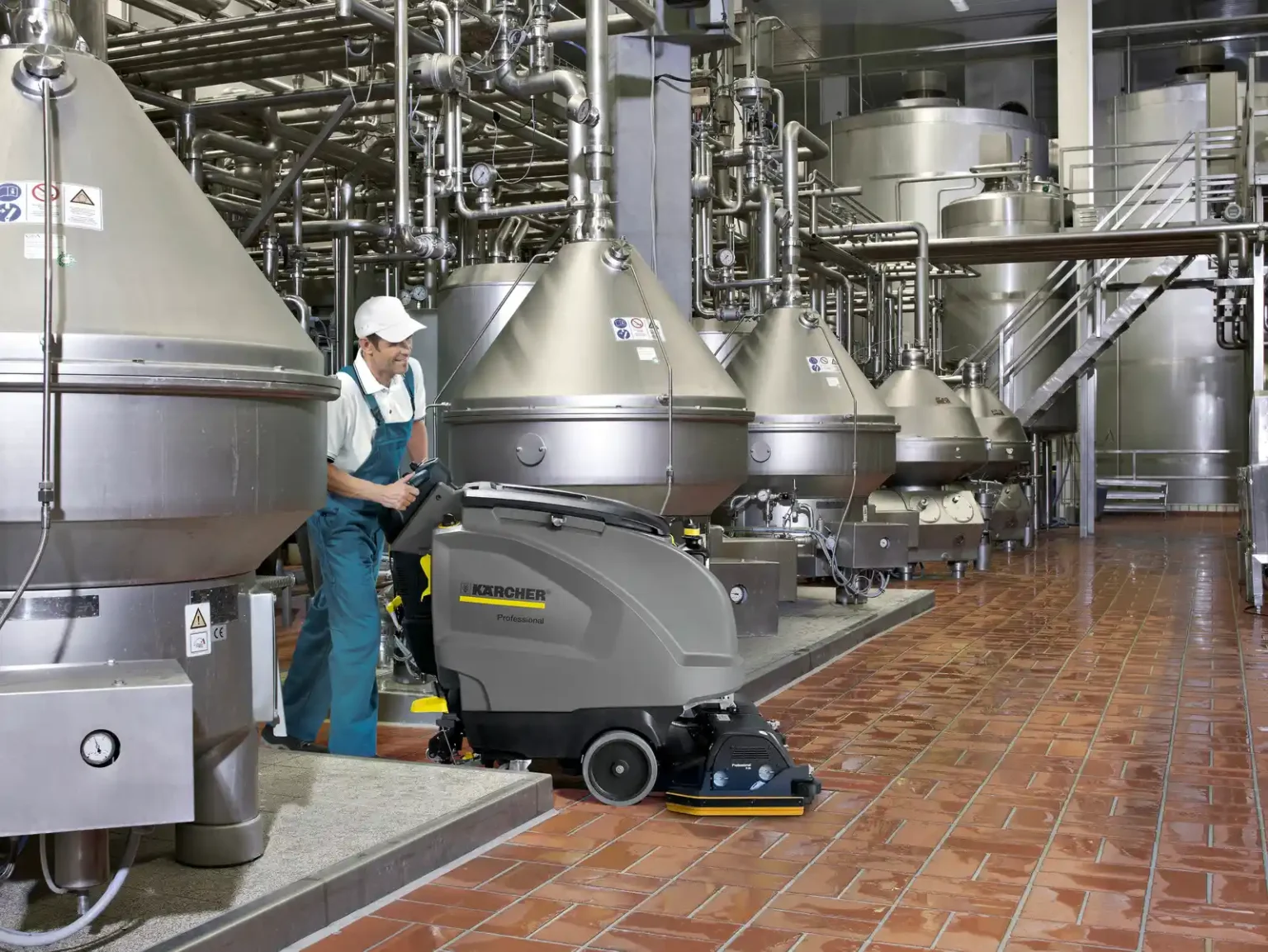
A warehouse floor can look acceptable in the morning and filthy by lunchtime. Forklifts leave tire marks, workers track in dirt, and small spills spread quickly. Retail stores, schools, offices, and manufacturing sites face similar problems. Cleaning these large areas with a mop takes hours, yet the floor may still appear uneven.
Buying a commercial scrubber might seem like the obvious answer. However, the purchase price is only part of the cost. Storage, battery care, repairs, replacement pads, and staff training also affect the budget. Those expenses are difficult to justify if the machine is only needed occasionally.
A reliable pressure wash store in New Jersey gives businesses another option. Renting provides access to professional equipment without a major long-term commitment. It also allows facility managers to select a machine that matches each cleaning project. This guide explains why rentals work, how to choose a suitable scrubber, and how to avoid expensive mistakes.
Large Commercial Floors Need More Than a Mop and Bucket
The problem often starts small. A few footprints appear near an entrance, or a delivery leaves marks across a warehouse aisle. Staff members mop the area, but the dirt soon returns. As foot traffic increases, keeping the floor presentable becomes a constant job.Traditional mopping also moves some dirty water across the surface. Workers must repeatedly replace the water, wring out the mop, and cover the same area. On a large floor, that process takes a considerable amount of time. Results may also vary depending on the employee and cleaning method.
A floor scrubber handles the job differently. It applies a cleaning solution, agitates the surface, and collects the dirty water in one pass. The floor is left cleaner and usually dries faster. For a busy New Jersey facility, that shorter drying time may reduce interruptions and help limit slip concerns.
The Real Cost of Slow Cleaning
Labor is often the largest hidden expense. Imagine two employees spending four hours mopping a warehouse. The business pays for eight labor hours, plus supplies and repeat cleaning. If the same project can be completed faster with a scrubber, the rental may cost less than the manual method.
Slow cleaning can also disrupt normal operations. Customers may need to avoid wet areas, warehouse aisles may be closed, or staff may have to work around the cleaning crew. A suitable machine lets the team finish sooner and reopen the area with less delay.
A Local Equipment Store Makes Professional Cleaning More Accessible
Buying industrial equipment requires a large upfront payment. Renting changes that equation. A business can access a quality machine for one project, several days, or a planned maintenance period. There is no need to make space for equipment that may sit unused for months.
A professional cleaning equipment shop can also help match the machine to the job. Floor material, building size, dirt level, aisle width, and available power all affect the choice. A small office does not need the same scrubber as a distribution center.
Local access matters when timing is tight. If a retail store needs deep cleaning after renovations, waiting weeks for equipment is not practical. A local cleaning equipment dealer may offer a faster, more convenient path to the right machine. Clear guidance at pickup can also prevent avoidable operating mistakes.
Why Floor Scrubber Rental Can Protect Your Maintenance Budget
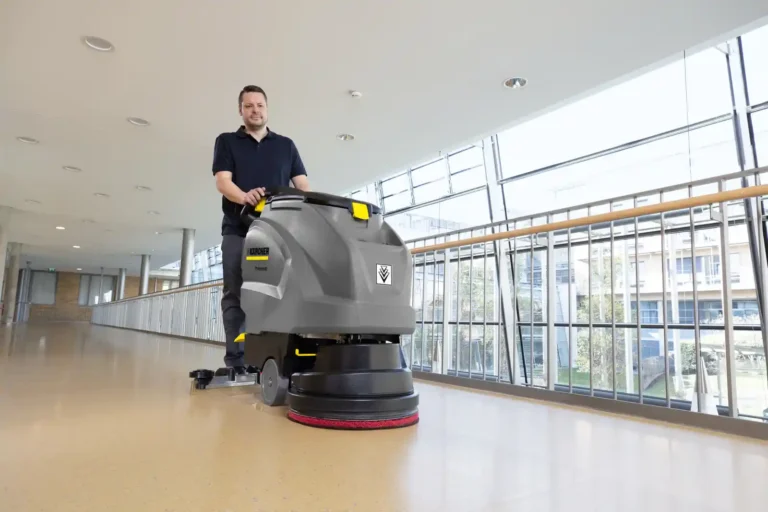
Floor Scrubber Rental makes financial sense when cleaning needs change throughout the year. A facility may need a scrubber during winter, after construction, or ahead of an inspection. Paying to own a machine for occasional use may tie up money that could support daily operations.
Ownership creates ongoing costs as well. Batteries lose capacity, squeegees wear down, brushes require replacement, and motors eventually need attention. Those expenses continue even when the machine is not producing value. With renting a floor scrubber, the facility pays for equipment when there is an actual job to complete.
Renting also gives managers more control over project costs. The rental period, labor schedule, chemicals, and transportation can be planned in advance. That makes the total expense easier to estimate. There is less risk of an unexpected repair bill appearing in the middle of the maintenance budget.
Renting Fits Changing Workloads
Consider a New Jersey warehouse that receives extra shipments during the holiday season. More deliveries mean heavier traffic, extra debris, and darker tire marks. The facility may need a ride-on scrubber for several weeks but not throughout the rest of the year.
A retail store might have a different need. Its floors may require a deep scrub after remodeling or before a major event. Short-term commercial scrubber rentals allow both businesses to choose equipment around their actual workload rather than paying for permanent ownership.
Choosing a Scrubber That Matches the Facility
Not every scrubber performs the same job. Floor area is an obvious factor, but it is not the only one. Managers should also consider corners, aisle width, obstacles, surface texture, drainage, and the type of soil being removed.
A machine that is too small will require extra passes and more labor. One that is too large may struggle around shelving, displays, or narrow hallways. The right choice should cover the space efficiently without becoming difficult to control.
Walk-Behind Scrubbers for Smaller or Crowded Areas
Walk-behind units suit offices, restaurants, schools, small stores, and divided workspaces. Their compact design makes it easier to clean around furniture and through tighter passages. Operators can also see edges and obstacles clearly.
These machines are useful when floor coverage matters, but maneuverability matters more. They may take longer across a large warehouse, yet they often provide better control in rooms with limited open space.
Ride-On Scrubbers for Wide, Open Floors
Ride-on models work well in warehouses, supermarkets, factories, parking areas, and large public buildings. They cover more floor with less walking, which reduces operator fatigue. Larger solution and recovery tanks may also mean fewer refill stops.
However, bigger is not automatically better. A ride-on unit needs enough room to turn safely. Facility managers should measure doors, elevators, aisles, and loading areas before selecting rental floor-cleaning machines.
Rental Mistakes That Add Time Instead of Saving It
Here is where some cleaning projects go off track: the renter chooses a machine based only on price. A lower daily rate may look attractive, but an undersized scrubber can increase labor costs. Paying slightly more for suitable coverage may deliver better overall value.
Using the wrong pad or brush creates another problem. A highly aggressive pad may mark a delicate floor, while a soft pad may not remove built-up grime. The cleaning chemical must also suit both the surface and the machine. Excess foam can interfere with recovery and may even affect performance.
Logistics deserve attention, too. How will the equipment reach the facility? Is there a ramp or loading dock? Does a battery-powered model need charging during the rental period? Asking these questions early makes renting commercial floor equipment far less stressful.
Get Better Results From Every Rental Period
A scrubber works efficiently when the floor is properly prepared. Remove loose trash, packaging pieces, stones, and other debris first. Those items may block the squeegee or prevent the machine from collecting dirty water evenly.
Next, plan a sensible cleaning route. Start at the far end of the space and work toward the exit. Use overlapping passes so narrow strips are not missed. Heavily soiled areas may need a slower pass or a brief chemical dwell time, depending on the product instructions.
Operators should check the pad, brush, tanks, and squeegee during the job. A worn or dirty squeegee can leave water behind. Likewise, an overfilled recovery tank may stop the machine unexpectedly. A few quick checks can prevent repeated work.
Questions Worth Asking at the Rental Counter
A helpful commercial pressure-washing supplier should be able to explain basic machine use and project suitability. Ask how much floor the unit can cover, how long its battery lasts, and which cleaning solution is appropriate.
Also confirm what comes with the rental. Pads, brushes, chargers, detergents, delivery, and pickup may be handled differently by each provider. Understanding those details makes it easier to compare the full project cost rather than just the advertised daily rate.
A Flexible Choice for New Jersey Commercial Facilities
Commercial cleaning rarely follows one fixed schedule. Snow and road salt create heavier winter messes. Construction leaves fine dust across finished floors. Busy sales periods increase daily foot traffic. Renting lets a facility respond to those changes without keeping several machines in storage.
Pressure King can help New Jersey businesses consider floor size, surface material, access, and cleaning frequency when selecting equipment. That practical matching process matters because the most powerful machine is not always the most useful one. The right unit should fit the site and the work.
For facilities with occasional or changing cleaning demands, a commercial wash equipment source offers useful flexibility. Renting can reduce labor, avoid ownership expenses, and provide a cleaner finish. It gives managers professional cleaning power only when the facility needs it.
Frequently Asked Questions
How much space can a rented floor scrubber clean?
Coverage depends on the machine’s cleaning width, tank size, battery life, floor condition, and operator speed. A rental provider can estimate coverage after reviewing the facility’s size and layout.
Is a walk-behind or ride-on scrubber better?
Walk-behind machines suit smaller or crowded spaces. Ride-on models are generally more efficient across large, open floors. The correct option depends on access, obstacles, and total square footage.
Can a scrubber clean concrete and tile?
Many scrubbers can clean concrete, tile, vinyl, and other hard surfaces. However, the pad, brush, pressure, and detergent must be suitable for the flooring material.
How long should a facility rent the machine?
A small project may require one day. Large sites or multi-stage cleanups may need several days. Allow time for setup, staff instruction, charging, and unexpected delays.
Do employees need special training?
Most machines are straightforward, but operators still need basic instructions. They should understand steering, chemical use, tank care, charging, and safe operation around people and obstacles.
Is renting better than purchasing?
Renting usually fits occasional, seasonal, or project-based cleaning. Purchasing may make more sense when a facility uses the same machine frequently and can manage storage, maintenance, and repairs.