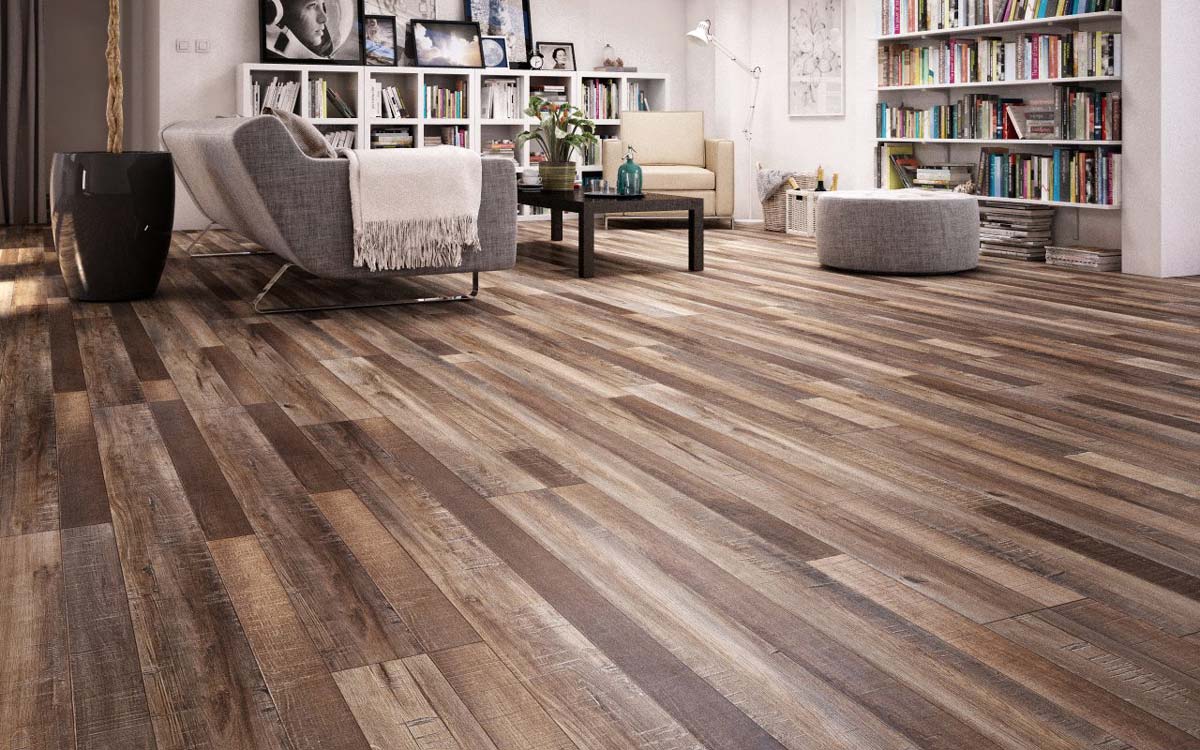
Luxury vinyl plank flooring is a popular choice for busy homes. It offers the warm look of wood, yet it is much easier to care for. It can handle daily foot traffic, children, pets, and small spills. However, every floor still needs proper care to stay clean and attractive.Dirt, water, harsh cleaners, and heavy furniture can slowly damage the surface. Some cleaning habits may also leave the planks looking dull. Fortunately, you do not need costly tools or strong chemicals to protect your floor.
Many flooring showrooms recommend a simple care routine. Regular sweeping, gentle mopping, and quick spill cleanup can make a major difference. This guide explains how to clean your LVP floors, prevent damage, and keep them looking fresh for years.
Understand How LVP Flooring Is Made
Luxury vinyl plank, also known as LVP, contains several layers. The bottom layers give the plank strength and support. The design layer creates the appearance of real wood. Finally, a clear wear layer protects the design from stains, scratches, and daily use.The strength of the wear layer can differ between products. Therefore, some floors can handle more activity than others. A thicker wear layer may be helpful in kitchens, hallways, living rooms, and homes with pets.
Many LVP products are waterproof or water-resistant. Still, you should not leave water sitting on the surface. Moisture can enter the edges, seams, or space near the walls. Over time, this may affect the subfloor or cause the planks to move.Always read the care guide that comes with your flooring. If you do not have it, ask a nearby vinyl flooring showroom for general product guidance. The staff may help you understand which cleaners and cleaning tools are safe for your specific floor.
Sweep Away Dirt Regularly
Small pieces of sand and dirt may appear harmless. However, they can rub against the wear layer when people walk across the room. This action may slowly create light scratches and reduce the floor’s shine.Sweep busy areas every day or every few days. A soft broom or microfiber dust mop works well. You can also use a vacuum made for hard floors. However, turn off the rotating brush before you begin. A stiff spinning brush may leave marks on the vinyl surface.
Pay close attention to entrances, hallways, kitchens, and dining areas. Dirt often builds up in these places because they receive more foot traffic. Pet hair may also collect along walls and under furniture.
Regular sweeping takes only a few minutes. More importantly, it stops loose dirt from spreading into other rooms. This simple habit can reduce the need for deep cleaning later.
Use the Right Way to Mop LVP Floors
LVP floors do not need large amounts of water. A damp microfiber mop is usually enough to remove dust, light stains, and footprints.First, sweep or vacuum the entire area. Mopping a dirty floor may push grit across the surface and cause marks. Next, mix an approved vinyl floor cleaner with water according to its label. Dip the microfiber mop into the solution and wring it out well. The mop should feel damp instead of soaking wet.
Clean one small area at a time. Rinse the mop when it becomes dirty, and replace the cleaning water when it starts to look cloudy. After mopping, allow the floor to dry before people or pets walk across it.Never pour water directly onto the floor. Also, do not leave a wet mop, towel, or cleaning pad sitting on the planks. Even waterproof flooring should not stay covered with water for long periods.
Choose a Gentle Floor Cleaner
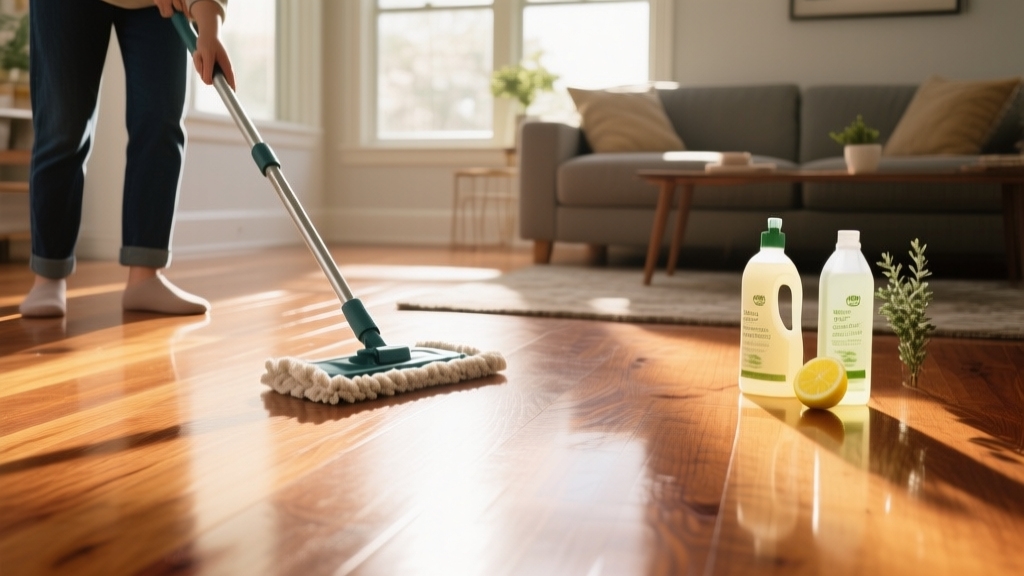
The right cleaner can remove dirt without harming the protective finish. Look for a mild product that is approved for luxury vinyl plank floors. In some cases, a small amount of gentle dish soap mixed with warm water may work. However, check the floor maker’s instructions first. Avoid bleach, ammonia, wax, oil soap, and rough cleaning powders. These products may damage the wear layer or leave a cloudy coating. Wax is not needed because most LVP products already have a finished surface. Adding wax may make the floor sticky and cause more dirt to collect.
You should also avoid hard brushes, steel wool, and rough sponges. They may remove a stain, but they can leave a dull patch behind. Before using a new cleaner across the whole room, test it in a hidden corner. Let the area dry and check it under good lighting. If you notice a color change, sticky feel, or dull mark, do not use that product again.
Clean Spills Before They Become Stains
Quick action is the best way to prevent stains. When a spill happens, blot it with a clean cloth or paper towel. Do not spread the liquid across a larger area. After removing it, wipe the spot with a damp microfiber cloth and dry it with a soft towel. This method works well for water, juice, milk, and many food spills. A small amount of gentle dish soap may help remove grease. For a pet accident, blot the liquid first and then clean the area with an approved product. Drying the spot is important because moisture may collect between the planks.
Mud should be treated differently. Let it dry before trying to remove it. Once it is dry, sweep it up and wipe the remaining mark with a damp cloth. Cleaning wet mud at once may spread it and create a larger mess. Never use a knife, razor, or metal tool to remove food stuck to the floor. Instead, place a damp cloth over the area for a few minutes. This should soften the material so you can gently wipe it away.
Remove Difficult Marks Carefully
Some marks may remain after normal cleaning. For example, shoes and furniture can leave dark scuffs on the surface. Begin by rubbing the spot gently with a damp microfiber cloth. If the mark remains, add a small amount of an approved LVP cleaner. Always start with the gentlest method. Strong scrubbing may damage the finish even when it removes the stain. Moreover, never mix two cleaning chemicals. Certain mixtures can create harmful fumes or affect the floor’s color.
If you cannot remove a stain safely, contact the flooring seller or installer. Staff at trusted flooring stores and showrooms may be able to recommend a cleaner based on the product’s finish and wear layer.
Prevent Scratches From Furniture and Pets
Preventing damage is much easier than repairing it. Place felt pads under tables, chairs, sofas, and other furniture. Check these pads every few months because dirt can become trapped underneath them. Never drag heavy furniture across the floor. Lift the item with help or use smooth furniture sliders made for hard surfaces. When moving appliances, place a safe protective board or mat under them.
Pet owners should keep their pets’ nails trimmed. Long nails can tap and scrape against the floor during play. You should also clean around food and water bowls often. A vinyl-safe mat can catch spills before they reach the plank seams. Door mats can help stop dirt at the entrance. Choose mats with backings that are safe for vinyl floors. Some rubber and latex materials can react with vinyl and cause discoloration. Therefore, check the rug label before placing it on the floor.
Protect the Planks From Sunlight and Heat
Strong sunlight may slowly fade certain flooring colors. It can also warm the planks and cause movement in some types of installations. Curtains, blinds, and UV-blocking window covers can protect areas that receive direct sunlight. Area rugs can provide extra protection. However, move them from time to time. If one section remains covered for years, the uncovered floor may fade at a different rate.
You should also keep high heat away from LVP flooring. Do not place hot pans, heated tools, or space heaters directly on the planks. High temperatures may soften the vinyl or change its shape.
Avoid Using a Steam Mop
A steam mop may seem like a fast way to deep-clean the floor. However, it is not safe for many luxury vinyl plank products. Steam combines strong heat with moisture. It may push water into plank joints or weaken the adhesive underneath the flooring. Over time, the edges may lift, curl, or separate. Steam cleaning may also affect the product warranty.
A damp microfiber mop offers a safer way to clean the floor. Only use steam if the flooring maker clearly states that it is allowed.
Follow a Simple Maintenance Schedule
You do not need a difficult care plan. Sweep busy rooms every day or every few days. Clean spills as soon as they happen. Once a week, vacuum or dust-mop the whole floor and damp-mop areas that collect more dirt. Each month, clean less-used spaces and check the felt pads under furniture. You should also inspect door mats, rugs, and pet areas for trapped dirt or moisture.
Every few months, move light furniture and clean underneath it. Look for gaps, loose edges, deep scratches, or signs of water damage. Finding a small problem early may prevent the need for a larger repair.
Know When to Ask for Professional Help
Normal scuffs and light stains can often be handled at home. However, deep cuts, lifting edges, wide gaps, and damaged planks may need professional attention. Do not apply random glue to a loose plank. LVP floors can be installed in different ways, and the wrong adhesive may create a bigger problem. It may also make the plank harder to replace.
Take clear pictures of the damaged area. Then, find the product name, color, and purchase record if possible. This information can help an installer decide whether the plank can be repaired or replaced. Keeping extra planks after installation is also a smart idea. Flooring colors and patterns may change over time. Therefore, finding an exact match several years later can be difficult.
Consider Care Needs Before Buying New Flooring
Maintenance should be considered before choosing a new floor. Planks can have different textures, wear layers, warranties, and cleaning rules. A product that works well in a quiet bedroom may not be the best option for a busy kitchen. When visiting flooring showrooms near your area, ask whether the product is waterproof or water-resistant. You should also ask about approved cleaners, scratch protection, pet use, and plank replacement. These details can help you choose flooring that matches your daily routine.
If you are comparing an LVP flooring sale, do not focus only on the price. Check the wear layer, warranty, installation type, and total amount available. A low price offers little value if the flooring is not right for your room. A luxury vinyl plank flooring deal can still be a good way to cover several rooms while controlling your budget. However, you should buy enough material for cuts, installation waste, and future repairs. Buying a little extra may save you from matching problems later.
Homeowners around Dalton, Georgia, can explore different colors and discount LVP flooring options through Sam’s Flooring. Comparing the appearance, strength, and care needs of each product can make it easier to choose a floor that fits your home.
Common Cleaning Habits to Avoid
Most damage happens because of a few simple mistakes. Homeowners may use too much water, choose a harsh cleaner, drag furniture, or leave spills on the floor. Others may apply wax because they want more shine. However, these actions can harm the finish instead of improving it. The safest approach is to keep the routine simple. Sweep regularly, use a damp mop, clean spills quickly, and follow the product instructions. Gentle care is often more effective than strong chemicals or heavy scrubbing.
Final Thoughts
Luxury vinyl plank floors are easy to maintain when you follow a regular routine. Sweeping removes scratch-causing dirt, while gentle mopping keeps the surface fresh. Quick spill cleanup also prevents moisture and stains from creating larger problems.In addition, felt furniture pads, safe mats, trimmed pet nails, and window coverings can protect the planks from daily damage. Avoid steam, rough tools, harsh chemicals, and large amounts of water.