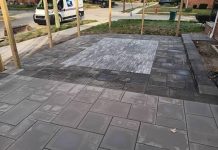
Property managers often approach pavement issues reactively, addressing problems only after they become visible, rather than as part of a coordinated maintenance strategy.
With the asphalt and pavement market continuing to grow, according to recent industry data, genuinely comprehensive commercial pavement solutions typically combine repair, resurfacing, and preventive maintenance rather than addressing issues piecemeal.
Why Reactive Repair Costs More Over Time
Fixing pavement problems only after they become severe typically costs more than addressing smaller issues proactively before they worsen.
What a Coordinated Maintenance Plan Typically Includes
Regular inspection, timely crack sealing, periodic sealcoating, and planned resurfacing on an appropriate schedule together form a more cost-effective long-term approach.
What to Look for in a Comprehensive Pavement Partner
- A provider offering both repair and preventive maintenance services.
- A clear inspection schedule recommendation, not just reactive service calls.
- Transparent guidance on when resurfacing becomes more cost-effective than repair.
Why Budgeting Annually for Pavement Maintenance Prevents Surprises
Setting aside a predictable annual budget for pavement maintenance, rather than treating each repair as an unplanned expense, helps property managers avoid a sudden large capital outlay. This approach also makes it easier to justify preventive work before problems become severe.
How Liability Exposure Connects to Pavement Condition
Cracked or uneven pavement creates a genuine trip-and-fall liability risk for a commercial property, beyond the cosmetic concern. Addressing pavement issues promptly protects a property manager from this liability exposure as much as it protects the pavement itself.
Why a Single Point of Contact Simplifies Ongoing Pavement Management
Working with one provider capable of handling repair, sealcoating, and striping together simplifies scheduling and communication compared to coordinating several separate specialist vendors. This single-point approach also makes it easier to maintain a consistent maintenance history for the property.
What a Written Pavement Management Plan Should Document
- Current condition assessment with photos and specific problem areas.
- A recommended maintenance schedule for the next several years.
- Estimated budget ranges tied to each planned maintenance activity.
Why Multi-Property Owners Benefit From a Standardized Approach
An owner managing several commercial properties benefits from applying a consistent pavement maintenance standard across all of them, rather than handling each reactively and independently. This consistency simplifies budgeting and makes it easier to compare condition across the portfolio.
How Seasonal Timing Affects When Different Services Make Sense
Sealcoating and striping generally require warm, dry conditions, while some crack sealing can be performed across a wider range of temperatures. Planning the annual maintenance calendar around these seasonal windows helps ensure work actually gets completed on schedule.
A comprehensive commercial pavement approach reduces long-term costs compared to purely reactive repair. Property managers who adopt proactive maintenance planning typically see better pavement condition and lower total cost over time.