Handling hazardous chemicals is a routine part of many industrial operations, including oil and gas, manufacturing, and processing units. While these substances are essential for production, they can create serious risks if not handled correctly. From exposure to toxic fumes to accidental reactions, even a small lapse can lead to safety incidents.
A well-structured approach to chemical safety focuses on awareness, proper equipment, and disciplined work practices. This becomes especially important in environments where systems like chemical injection quills are used to manage controlled chemical flow.
Understanding Chemical Hazards
Before working with any chemical, it is important to understand the type of hazard it presents. Each substance has unique properties that determine how it should be handled and stored.
Common types of chemical hazards include:
- Toxic chemicals that can harm through inhalation or contact
- Flammable substances that can ignite easily
- Corrosive materials that damage skin or surfaces
- Reactive chemicals that can cause dangerous reactions
Understanding these categories helps workers take the right precautions and avoid unsafe situations.
Key Safety Practices for Handling Chemicals
A strong safety routine is built on consistent practices followed during daily operations. These practices reduce risk and improve overall control.
Personal Safety Measures
Workers must protect themselves before handling any hazardous material. This includes:
- Putting on the proper safety equipment, such as masks, gloves, and goggles.
- Checking PPE for damage before use
- Avoiding direct contact with chemicals whenever possible
These steps create a basic layer of protection against exposure.
Safe Handling and Usage
Handling chemicals safely requires attention to detail and discipline. Important practices include:
- Always reading labels before use
- Using proper tools instead of direct handling
- Avoiding mixing chemicals without proper knowledge
- Following standard operating procedures at all times
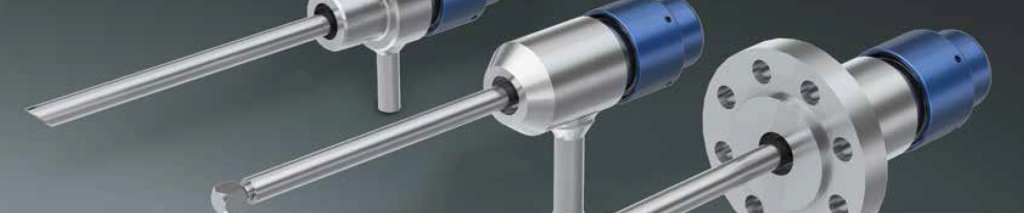
In industrial setups, chemical injection quills help reduce manual handling by enabling controlled and precise chemical dosing.
Storage Guidelines for Hazardous Chemicals
One of the main reasons for chemical mishaps is improper storage. Chemicals must be stored in a controlled and organised manner to prevent leaks or reactions.
Basic Storage Rules
- Keep chemicals in clearly labelled containers
- Store incompatible substances separately
- Maintain a cool and ventilated storage area
- Ensure containers are tightly sealed
Storage Overview Table
| Storage Factor | Recommended Practice | Risk if Ignored |
| Labelling | Clear and visible labels | Misuse or confusion |
| Segregation | Separate incompatible chemicals | Dangerous reactions |
| Temperature Control | Store in cool, stable conditions | Degradation or explosion |
| Ventilation | Ensure proper airflow | Toxic gas accumulation |
This structured approach helps maintain safety and reduces the chances of unexpected incidents.
Role of Equipment in Chemical Safety
The use of proper equipment plays a major role in reducing risk. Manual handling often increases the chances of exposure, while controlled systems improve safety and accuracy.
Reliable systems supplied by an oil field equipment manufacturer are designed to manage chemical flow efficiently. These systems help reduce human intervention and ensure consistent handling practices.
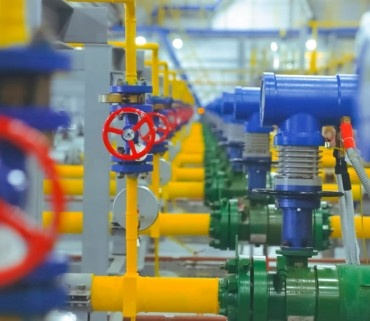
In particular, chemical injection quills are widely used in industrial pipelines to introduce chemicals in a controlled manner. This not only improves precision but also limits direct contact with hazardous substances.
Workplace Organisation and Hygiene
A clean and organised workspace is essential for maintaining safety. Disorganised areas increase the likelihood of spills and accidents.
Good Workplace Practices
- Keep work areas free from clutter
- Clean spills immediately
- Store tools and chemicals in designated areas
Hygiene Measures
- Avoid eating or drinking near chemicals
- Wash hands after handling substances
- Dispose of waste safely
These habits may seem simple but play a significant role in preventing contamination and exposure.
Emergency Preparedness and Response
Even with proper precautions, emergencies can occur. Being prepared helps reduce damage and ensures quick action.
Key Emergency Measures
- Install eye wash stations and safety showers
- Keep fire extinguishers accessible
- Maintain spill control kits
Steps to Handle a Chemical Spill
- Identify the type of chemical involved
- Isolate the affected area
- Use appropriate spill containment materials
- Inform the concerned team immediately
Quick and correct action can prevent a minor issue from becoming a serious hazard.
Regular Inspection and Maintenance
Safety systems must be checked regularly to ensure they are functioning properly. Over time, equipment can wear out or develop faults.
Inspection Checklist
- Check containers for leaks or damage
- Inspect pipelines and valves
- Ensure safety equipment is operational
- Monitor systems like chemical injection quills for performance
Routine inspections help identify risks early and maintain a safe working environment.
Conclusion
Handling hazardous chemicals safely requires a balanced approach that includes awareness, proper equipment, and consistent practices. From understanding chemical properties to maintaining storage conditions and preparing for emergencies, every step plays a role in reducing risk.
In industries where chemical handling is part of daily operations, combining trained personnel with reliable systems is essential. Companies like NND OIL & GAS support these safety standards by providing dependable solutions designed for efficient and secure industrial use.