Road emergencies can happen without warning, making it important for drivers to keep essential safety tools inside their vehicles. A damaged door, a jammed seat belt, or an accident that prevents normal exit can create a stressful situation. Having the right emergency equipment within reach can help drivers and passengers respond more effectively when every second matters. A car safety hammer is one such tool, designed to assist with specific escape situations. Understanding its features, correct placement, and safe use helps vehicle owners prepare for unexpected incidents and improve their overall emergency readiness.
What Is a Car Safety Hammer?
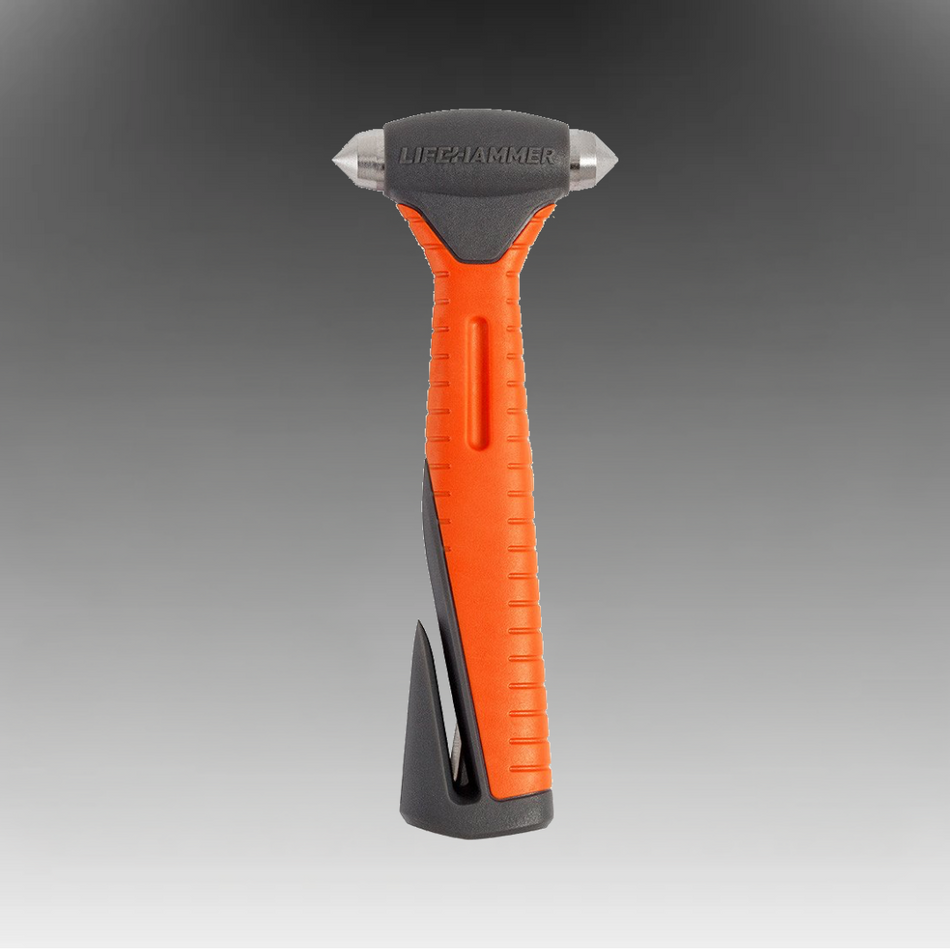
A car safety hammer is a compact emergency tool designed to help occupants escape from a vehicle in certain situations. Most models combine a window-breaking tip with a seat belt cutting blade. These features serve different purposes and can be useful when a vehicle door cannot be opened normally.
The Paramat Safety Hammer is a product name associated with automotive emergency preparedness. When choosing a safety hammer, users should check its construction, grip, accessibility, and intended functions before keeping it inside a vehicle.
Common features of a car safety hammer include:
- Window-breaking tip: Designed to break suitable side-window glass in an emergency.
- Seat belt cutter: Helps cut a seat belt when the buckle cannot be released.
- Compact design: Allows convenient storage inside the passenger compartment.
- Easy-to-grip handle: Supports controlled handling during a stressful situation.
Actual features can vary by model, so checking the product specifications is important before use.
Why Is a Safety Hammer Important in a Car?
A vehicle emergency may leave occupants with limited time to react. Doors can become difficult to open after a collision, while a damaged seat belt mechanism may prevent someone from unbuckling. Water-related incidents can create additional urgency if a vehicle becomes submerged.
A safety hammer provides an alternative tool for specific escape situations. However, it does not replace seat belts, airbags, first-aid supplies, or other essential safety equipment.
1. Emergency Window Escape
If a door cannot be opened and an escape route through a side window is necessary, a suitable emergency hammer may help break the glass. Tempered side-window glass is generally more suitable for this purpose than laminated glass, which may remain held together after impact.
2. Cutting a Jammed Seat Belt
A seat belt cutter can help free an occupant when the belt cannot be released using its buckle. Its blade should be designed to cut webbing while helping protect the user from accidental contact.
3. Better Emergency Preparedness
Keeping emergency equipment accessible can reduce the time needed to locate it during a stressful event. Drivers should become familiar with the tool before an emergency occurs.
Understanding Paramat TitanCore
Paramat TitanCore is another product name relevant to this article’s automotive safety topic. Before purchasing any emergency tool or related automotive product, it is important to understand its stated purpose and verify its technical specifications.
Product names alone do not establish a tool’s materials, performance, or specific features. Buyers should consult the manufacturer’s information to determine what a particular product includes and how it is intended to be used.
When evaluating an automotive emergency product, consider the following factors:
- Construction: Check the stated materials and build quality.
- Functionality: Confirm the specific emergency functions offered.
- Ease of access: Make sure the product can be reached quickly from the driver’s or passenger’s seat.
- Instructions: Review the manufacturer’s guidance for correct use and maintenance.
These checks help ensure that the selected product suits the vehicle owner’s requirements.
How to Choose the Right Car Safety Hammer
Not every emergency tool offers the same design or functions. A suitable choice should be easy to reach, simple to handle, and appropriate for the intended emergency use.
- Check the Breaking Mechanism
Look for a clearly specified window-breaking mechanism designed for automotive emergencies. The tool should have clear instructions explaining its intended glass type and method of operation.
- Examine the Seat Belt Cutter
If a cutter is included, check whether its blade is protected or recessed to reduce the risk of accidental injury. The handle should allow a secure grip during use.
- Consider the Overall Design
A compact tool can be convenient, but it should not be so difficult to grip that it becomes unreliable under pressure. Clear product instructions and an easy-to-access storage solution are also important.
- Verify Product Specifications
Before buying, review the manufacturer’s details instead of relying only on product photographs or a name. Confirm the functions, dimensions, materials, and recommended storage method.
Where Should You Keep a Safety Hammer?
The location of an emergency tool can make a significant difference when quick action is required. Storing it in a glove compartment, a packed boot, or another difficult-to-reach location may delay access.
Consider these storage practices:
- Choose an accessible position: Keep the tool within reach of the driver or front passenger.
- Use a secure holder: Prevent the tool from moving around during normal driving.
- Avoid obstructing controls: Make sure the tool does not interfere with pedals, steering, airbags, or seat movement.
- Inform passengers: Ensure other regular occupants know where the tool is stored.
- Check accessibility regularly: Confirm that it remains secured and can be retrieved quickly.
Never place an emergency tool where it could become a loose projectile during sudden braking or a collision.
How to Use a Safety Hammer in an Emergency
Knowing how a tool works before an emergency is safer than trying to understand it during a crisis. Read the instructions supplied with the specific model and follow any recommended precautions.
Step 1: Assess the Situation
If a collision occurs, check whether the doors can be opened normally and whether there are immediate hazards. If it is safe to exit through a door, that may be preferable to breaking a window.
Step 2: Release the Seat Belt
Try to release the seat belt using its buckle. If it cannot be released, use the belt cutter if available and follow the tool’s instructions.
Step 3: Identify a Suitable Window
If a window escape is necessary, follow the manufacturer’s guidance for the hammer’s intended glass type and striking point. Do not assume that every vehicle window can be broken using the same method.
Step 4: Exit Carefully
Once an escape opening is available, watch for broken glass and other hazards. Move away from traffic or other immediate dangers when possible, and contact emergency services when needed.
If a vehicle is submerged, escaping early may be critical. Do not wait for the cabin to fill with water before attempting to leave.
Common Mistakes to Avoid
Even a useful emergency tool may not help if it is stored or handled incorrectly. Avoid these common mistakes:
- Storing it out of reach: A tool in the boot may be inaccessible when occupants are trapped.
- Ignoring glass types: Laminated glass may not break and clear like tempered side-window glass.
- Using it without preparation: Familiarize yourself with its instructions before an emergency.
- Leaving it unsecured: A loose tool can move around the cabin and create an additional hazard.
- Assuming it guarantees escape: Vehicle damage, injuries, water pressure, and glass construction can affect the available escape options.
Regularly checking the tool and its storage position helps maintain emergency readiness.
Maintaining Your Automotive Emergency Equipment
Emergency equipment should be checked periodically to ensure it remains accessible and in usable condition. Inspect the handle, cutting mechanism, and any protective cover for visible damage. Keep the tool clean and store it according to the manufacturer’s instructions.
If the product includes moving parts or a blade cover, check that these components remain secure. Replace damaged equipment rather than relying on a tool that may not function as intended.
It is also useful to keep other essential items in the vehicle, including a first-aid kit, a warning triangle where appropriate, and a charged mobile phone. Emergency preparation works best when several safety measures are considered together.
Conclusion
A car safety hammer can be a useful addition to a vehicle’s emergency equipment, particularly when an occupant needs to cut a jammed seat belt or escape through a suitable side window. Choosing the right tool, checking its features, and storing it within easy reach are important steps in emergency preparation. With over 35 years of expertise in noise, vibration, and harshness solutions, Paramat brings experience in automotive products. Drivers should review product specifications carefully and understand the correct use of their emergency tools before they need them.