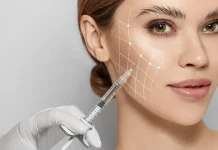
Professional cold peeling is a popular skincare procedure designed to refresh the skin, improve texture, and promote a more radiant complexion without the harsh effects of traditional chemical peels. Many people are drawn to Cold Peeling for its gentle exfoliation and minimal downtime, making it suitable for a variety of skin types. Understanding the step-by-step process of a professional session can help patients feel more confident and prepared for the treatment, ensuring both safety and optimal results.
Consultation and Skin Assessment:
The first step in a professional cold peeling session is a thorough consultation with a licensed aesthetician or dermatologist. During this stage:
- Skin type and sensitivity are evaluated to determine suitability
- Current skin concerns such as acne, pigmentation, or fine lines are discussed
- Medical history, allergies, and skincare routine are reviewed
- Treatment goals are established to tailor the procedure
This assessment ensures the treatment plan is customized for maximum efficacy and safety.
Pre-Treatment Cleansing:
Before applying the cold peeling solution, the skin must be properly cleansed. This step involves:
- Removing makeup, oils, and impurities from the surface
- Using gentle cleansers suitable for the patient’s skin type
- Preparing the skin to allow even absorption of the peeling solution
- Ensuring that no residual products interfere with the effectiveness of the peel
A clean and prepped surface allows for more uniform results and reduces the risk of irritation.
Application of the Cold Peeling Solution:
The key step in the procedure is the application of the cold peeling solution, which is carefully formulated with mild acids and soothing agents. During this stage:
- The solution is applied evenly across the treatment area
- Sensitive zones are monitored closely for any signs of irritation
- The aesthetician may adjust the duration based on skin tolerance
- Gentle techniques ensure that exfoliation occurs without discomfort
This controlled application is what makes cold peeling effective while remaining gentle on the skin.
Monitoring and Neutralization:
Once the solution is applied, the skin is observed to ensure the treatment is proceeding safely. This step includes:
- Monitoring for any tingling, redness, or discomfort
- Ensuring the peel works effectively without over-exfoliating
- Neutralizing the solution at the appropriate time to halt chemical activity
- Using soothing agents or cool compresses if needed to calm the skin
Proper monitoring prevents adverse reactions and ensures optimal outcomes.
Post-Peel Hydration and Soothing:
After the cold peeling solution is neutralized, hydration and calming care are applied. Key actions include:
- Applying gentle moisturizers to restore skin barrier function
- Using calming serums or masks to reduce redness and inflammation
- Supporting hydration to enhance smoothness and radiance
- Recommending at-home products for continued care and protection
This step is critical for maintaining the skin’s health and enhancing the benefits of the peel.
Post-Treatment Instructions and Aftercare:
A successful cold peeling session requires adherence to post-treatment guidance. Recommendations often include:
- Avoiding direct sun exposure and using broad-spectrum sunscreen daily
- Refraining from harsh scrubs, exfoliants, or strong acids for several days
- Keeping the skin hydrated with gentle moisturizers
- Monitoring the skin for any unusual reactions and contacting the professional if necessary
Following these instructions ensures recovery is smooth and results are maximized.
Frequency and Maintenance Sessions:
For best results, cold peeling is often performed as part of a series. Key points about maintenance include:
- Scheduling follow-up sessions every 3–4 weeks depending on skin type and goals
- Adjusting the strength or frequency of treatments based on skin response
- Combining with complementary skincare routines for long-term improvement
- Evaluating results regularly to modify the treatment plan if needed
Consistency and maintenance are essential for achieving and sustaining the benefits of cold peeling.
Benefits of Professional Cold Peeling:
Professional administration ensures that patients achieve superior results compared to at-home treatments. Benefits include:
- Customized treatment based on skin type and concerns
- Safe application with minimized risk of irritation
- More uniform and effective exfoliation for smoother skin
- Enhanced absorption of serums and moisturizers after treatment
These advantages make professional cold peeling an excellent choice for individuals seeking noticeable, lasting improvements.
Final Thoughts:
A professional cold peeling treatment is a safe, gentle, and effective method for improving skin texture, tone, and radiance. By following a structured process—from consultation and cleansing to application, monitoring, and post-treatment care—patients can achieve optimal results while minimizing risks. Regular maintenance sessions and adherence to aftercare instructions further enhance the benefits. Cold Peeling provides a controlled, non-invasive approach to achieving smoother, brighter, and healthier-looking skin, making it a valuable addition to any modern skincare regimen.