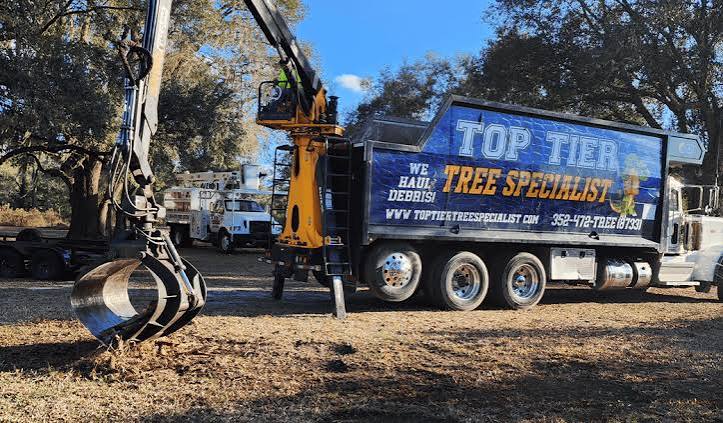
Healthy trees add beauty, shade, and value to any property. However, without regular maintenance, branches can become overgrown, damaged, or hazardous. Professional tree trimming and pruning help maintain a tree’s natural shape, encourage healthy growth, and reduce potential safety risks around homes and businesses. Whether you have large shade trees, ornamental trees, or mature trees near your driveway, proper care can make a significant difference in their long-term health.
Why Tree Trimming and Pruning Are Important
Tree trimming and pruning are essential parts of responsible tree care. Although people often use these terms interchangeably, both serve important purposes. Trimming generally focuses on controlling the size and appearance of a tree, while pruning involves removing dead, diseased, damaged, or poorly positioned branches to improve its health and structure.
Regular tree maintenance can help prevent branches from interfering with roofs, power lines, walkways, and other structures. It can also improve sunlight exposure and air circulation throughout the canopy. When trees receive the appropriate care, they are often better positioned to grow strong and maintain an attractive appearance.
Homeowners who invest in professional tree pruning can also identify potential problems before they become more serious. Weak branch attachments, storm damage, and signs of disease may require attention to help protect the surrounding property.
Benefits of Professional Tree Trimming Services
1. Promotes Healthy Tree Growth
Removing dead, diseased, or damaged branches allows a tree to direct more of its resources toward healthy growth. Proper pruning can also reduce the spread of certain diseases by removing affected plant material when performed correctly.
Professional arborists understand that every tree species has different growth patterns and pruning requirements. They can determine which branches should be removed while preserving the tree’s natural structure.
2. Improves Property Safety
Overhanging limbs and weakened branches can present hazards, especially during heavy rain, strong winds, or storms. Branches growing too close to buildings, fences, and driveways may also cause damage if they break.
Professional tree trimming helps address these concerns by identifying vulnerable limbs and reducing potential hazards. Trees located near structures or areas with regular foot traffic should receive particular attention.
However, pruning cannot eliminate every risk associated with severe weather. Regular inspections and appropriate tree maintenance can help reduce avoidable dangers.
3. Enhances Curb Appeal
Well-maintained trees create a neat, attractive landscape. Overgrown branches can make a property appear neglected, while excessive foliage may block windows, signs, and outdoor features.
Tree shaping and selective trimming help preserve a balanced canopy without unnecessarily removing healthy growth. This can improve the appearance of your yard and complement your home’s landscaping.
4. Allows Better Sunlight and Airflow
Dense branches can prevent sunlight and fresh air from reaching areas beneath a tree. Selective canopy thinning, when appropriate for the species, can improve light distribution and airflow.
This may benefit nearby lawns, gardens, and landscape plants. Proper pruning also helps maintain the tree’s natural form instead of leaving it excessively dense or uneven.
Common Signs Your Trees Need Pruning
Knowing when to schedule tree maintenance can help prevent minor concerns from becoming costly problems. Watch for these common warning signs:
- Dead or broken branches: These limbs may fall unexpectedly and should be assessed.
- Overgrown tree canopies: Excessive growth may interfere with buildings, walkways, or neighboring trees.
- Branches touching your roof: Limbs rubbing against roofing or siding can cause damage over time.
- Crossing or rubbing branches: These branches can create wounds that affect the tree’s structure.
- Uneven tree growth: An unbalanced canopy may indicate a need for selective pruning.
- Storm-damaged limbs: Cracked, hanging, or split branches may require prompt professional attention.
If you notice any of these issues, a professional tree care assessment can help determine the most appropriate solution.
When Is the Best Time to Trim and Prune Trees?
The ideal time for tree trimming depends on the species, its condition, and the purpose of the work. Many trees benefit from structural pruning during dormancy, while dead or hazardous branches may need attention whenever they are identified.
Seasonal tree maintenance can also help homeowners prepare their landscapes for changing weather conditions. However, flowering trees, fruit trees, and certain species may require specialized timing to avoid interfering with flowering or fruit production.
Avoid excessive pruning or tree topping, which removes too much of the canopy and can weaken the tree. Professional tree pruning focuses on targeted cuts that support the tree’s natural structure and long-term health.
What to Expect From Professional Tree Pruning Services
A professional tree trimming service begins with an assessment of the tree’s condition, size, structure, and surroundings. This helps identify problematic branches and determine the safest approach for the work.
Depending on the tree’s needs, the process may include removing deadwood, reducing interference with nearby structures, selectively thinning crowded branches, and improving the tree’s overall shape.
Experienced tree care professionals also consider nearby buildings, landscaping, vehicles, and pedestrian areas when planning a project. Once the work is complete, removing branches and other debris helps leave the property neat and usable.
For larger trees or limbs near power lines, specialized equipment and additional safety precautions may be necessary. Homeowners should avoid attempting hazardous tree work themselves.
Choose Professional Tree Care for Lasting Results
Regular tree maintenance is an investment in your landscape’s health, safety, and appearance. From routine branch removal to addressing storm-damaged limbs, professional trimming and pruning can help trees remain attractive and structurally sound.
Whether you need residential tree trimming or commercial tree maintenance, choosing an experienced local tree service can make the process easier. A professional assessment helps identify the right work for your trees rather than removing healthy branches unnecessarily.
For property owners in Springfield, Missouri, and surrounding communities, A Top Tier Tree Service provides tree trimming and pruning services focused on improving tree health, reducing hazards, and maintaining attractive outdoor spaces
Frequently Asked Questions (FAQs)
1. How often should trees be trimmed?
The frequency depends on the tree species, age, growth rate, and condition. Many trees benefit from periodic inspections and pruning when necessary, rather than following one fixed schedule.
2. What is the difference between tree trimming and tree pruning?
Tree trimming generally focuses on controlling growth and improving appearance, while pruning targets dead, diseased, damaged, or poorly positioned branches to support tree health and structure.
3. Can tree pruning prevent storm damage?
Pruning can reduce certain hazards by removing weak, damaged, or poorly attached branches. However, it cannot guarantee that a tree will withstand severe storms or high winds.
4. Is it safe to trim large tree branches myself?
Small, accessible branches may be manageable with appropriate precautions. However, large limbs, elevated branches, and trees near power lines require professional expertise and specialized equipment.
5. Does tree trimming improve curb appeal?
Yes. Selective trimming can create a more balanced canopy, improve the tree’s shape, and make your overall landscape look cleaner and better maintained.
6. How can I schedule professional tree trimming?
Contact a local tree care provider to discuss your concerns and arrange an assessment. The provider can evaluate your trees and recommend suitable maintenance options.