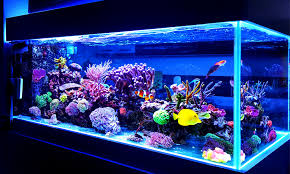
Creating a biotope fish tank is an exciting way to bring a slice of the natural world into your home. Unlike traditional aquariums that mix species and plants from various environments, a biotope aquarium faithfully replicates a specific habitat. fish tanks This approach not only enhances the aesthetic appeal but also promotes the health and well-being of its inhabitants by mimicking their native conditions.
Understanding What a Biotope Aquarium Is
A biotope aquarium is a carefully curated ecosystem that imitates the physical and biological aspects of a specific natural habitat. This includes water chemistry, substrate, plants, rocks, driftwood, and fish species. By replicating these elements accurately, aquarists create an environment where fish can exhibit natural behaviors and thrive.
Choosing Your Biotope: Research Is Key
Before setting up your tank, thorough research is essential. Popular biotope choices include the Amazon River Basin, African Rift Lakes, Southeast Asian streams, or North American creeks. Understanding the unique characteristics of your chosen biotope—such as water temperature, pH levels, and types of plants—ensures that the habitat is as authentic as possible.
Selecting Appropriate Fish and Plants
The cornerstone of a successful biotope aquarium is selecting fish species and aquatic plants native to the chosen habitat. For example, if recreating an Amazonian river, species like tetras, discus, and angelfish may be suitable, along with plants such as Amazon swords and floating water lettuce. This authenticity fosters natural interactions and reduces stress for the fish.
Setting Up the Tank Environment
The physical setup is crucial to mimicking the natural habitat. Begin with substrate selection; sandy or fine gravel beds often work well for river biotopes, while rocky or coral substrates suit lake biotopes. Adding driftwood, rocks, and leaf litter can provide hiding spots and contribute to water chemistry. Proper lighting should also reflect the habitat’s conditions, whether dim and filtered for forest streams or bright for open lakes.
Maintaining Water Parameters
Maintaining water quality parameters is essential for the survival of biotope inhabitants. This includes temperature, pH, hardness, and flow rate. Using test kits regularly and adjusting with natural methods, like adding peat or crushed coral, helps sustain conditions close to those in the wild.
Benefits of a Biotope Aquarium
A biotope setup offers several advantages. Fish tend to be healthier and display more natural behavior, plants flourish under appropriate conditions, and the tank often requires less maintenance. Moreover, it provides an educational glimpse into ecosystems and encourages responsible fishkeeping that respects natural biodiversity.
Common Challenges and How to Overcome Them
Setting up a biotope aquarium can be challenging. Sourcing native plants and fish might be difficult depending on your location. Patience and careful planning are necessary to balance the ecosystem correctly. Overcoming these hurdles leads to a rewarding and sustainable aquatic environment.
Final Thoughts on Biotope Aquariums
Recreating natural habitats through biotope tanks connects aquarists with nature on a deeper level. It demands research, dedication, and care but rewards with a vibrant, balanced ecosystem that brings the beauty of the wild into your living space. Whether for relaxation, education, or conservation, biotope aquariums are a fulfilling way to appreciate aquatic life authentically.