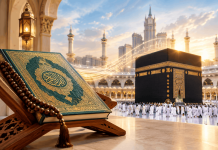
Ramadan is a deeply significant period in the UAE, marked by reflection, generosity, and community. During this month, workplaces, corporate gatherings, and social events often need to consider the diverse needs of attendees, including those who are not fasting. Creating a welcoming and inclusive environment for non-fasting guests requires sensitivity, thoughtful planning, and attention to detail. By doing so, organizers can ensure that every participant feels respected, comfortable, and engaged throughout the event.
Incorporating inclusive practices during Ramadan not only demonstrates cultural awareness but also enhances the overall experience for all attendees. Whether organizing a corporate iftar, a team gathering, or a social celebration, understanding the nuances of Ramadan UAE and blending cultural traditions with hospitality can transform an event into a memorable and harmonious experience.
Understanding Ramadan and Its Cultural Significance
To create an inclusive atmosphere, it is important to first understand the spirit of Ramadan UAE. This holy month is characterized by fasting from dawn to sunset, increased prayers, and charitable acts. For fasting participants, meals are typically reserved for iftar—the evening meal that breaks the fast. Non-fasting attendees, however, may have different routines and dietary habits, which can create challenges if not addressed thoughtfully.
Recognizing these differences allows organizers to design events that respect cultural practices while ensuring that non-fasting attendees do not feel excluded. A well-planned approach considers factors such as meal timing, food presentation, seating arrangements, and overall ambiance, creating a welcoming environment for everyone.
Timing and Scheduling Considerations
Scheduling is one of the first factors to consider when accommodating non-fasting guests. Corporate events and social gatherings during Ramadan UAE should ideally be timed to avoid conflicts with prayer schedules and fasting hours. For non-fasting attendees, providing access to refreshments or light meals before or after iftar ensures comfort without disrupting cultural observances.
Flexible scheduling is particularly important in corporate settings, where participants may have diverse work routines. By communicating the timing clearly and considering the needs of all attendees, organizers foster an atmosphere of inclusivity and respect.
Thoughtful Meal Planning
Food is a central aspect of any gathering during Ramadan, and thoughtful meal planning is essential for creating a welcoming environment for non-fasting guests. While traditional iftar menus are designed for those breaking their fast, non-fasting attendees may prefer lighter options or meals at different times.
Providing separate stations or menus with a variety of options ensures that everyone’s dietary preferences are met. Including international cuisine, vegetarian dishes, and halal-friendly alternatives caters to diverse tastes while maintaining the cultural authenticity of the event. Thoughtful meal planning reflects attentiveness to guests’ needs and enhances the overall dining experience.
Designing Inclusive Spaces
Creating a comfortable physical environment is crucial for making non-fasting attendees feel welcome. Seating arrangements should encourage interaction while providing space for guests to enjoy meals or refreshments at their convenience. Organizers should consider accessibility, comfort, and the flow of movement within the venue.
Incorporating quiet areas or lounge spaces allows attendees to relax, network, or engage in personal reflection. Such thoughtful design ensures that non-fasting guests feel included and at ease, even if their routines differ from those who are observing the fast.
Atmosphere and Ambiance
The ambiance of an event during Ramadan UAE should be warm, welcoming, and culturally sensitive. Soft lighting, calming music, and respectful décor contribute to a comfortable environment for all attendees. Organizers can subtly incorporate elements of Ramadan decorations to celebrate the spirit of the month while avoiding overemphasis that might make non-fasting guests feel out of place.
Attention to ambiance extends beyond aesthetics. Staff behavior, service style, and event flow should reflect hospitality and inclusivity. Courteous, attentive service ensures that every guest feels valued and comfortable, reinforcing the event’s welcoming atmosphere.
Clear Communication
Transparency and communication play a vital role in creating an inclusive environment. Informing attendees in advance about event schedules, dining arrangements, and available options helps non-fasting guests plan accordingly. Clear communication about prayer breaks, meal times, and activity schedules demonstrates cultural awareness and consideration for diverse needs.
Providing written guides, signage, or announcements that explain the flow of the event can also enhance comfort and understanding. This approach reduces uncertainty and helps non-fasting attendees feel respected and informed.
Engaging Entertainment and Activities
Entertainment and activities should be designed to engage all attendees without compromising cultural sensitivities. During Ramadan, many guests may prefer subdued, meaningful, or family-oriented entertainment rather than high-energy performances. Including interactive sessions, panel discussions, or creative workshops can cater to diverse interests while respecting the cultural context.
An inclusive program ensures that non-fasting attendees feel actively involved, contributing to a sense of community and enjoyment. Thoughtful entertainment selection aligns with the overall goal of creating a welcoming atmosphere.
Personalization and Guest Care
Personal attention and consideration can significantly enhance the experience for non-fasting attendees. Simple gestures, such as offering personalized seating, checking dietary preferences, or providing comfortable spaces for relaxation, demonstrate care and attentiveness.
Professional event organizers in Dubai often emphasize personalized guest care as a hallmark of inclusive events. These small touches ensure that every attendee feels valued, fostering positive impressions and reinforcing the company’s commitment to hospitality.
Incorporating Ramadan Decorations Thoughtfully
Ramadan decorations play an important role in setting the tone and celebrating the month’s cultural significance. Thoughtfully designed décor, such as lanterns, subtle lighting, and symbolic motifs, can enhance the festive atmosphere without overwhelming non-fasting guests.
Balancing traditional elements with neutral or modern touches ensures that the event appeals to a broad audience. Decorations should complement the overall experience, creating a harmonious environment that celebrates Ramadan while remaining inclusive.
Leveraging Professional Expertise
Collaborating with professional event planners and organizers in Dubai ensures that the needs of both fasting and non-fasting attendees are considered. Experienced teams bring insights on culturally sensitive practices, menu planning, entertainment options, and venue selection, guaranteeing that events are inclusive and enjoyable.
Professional planners coordinate every detail, from timing and seating to décor and entertainment, ensuring a seamless experience that reflects thoughtfulness and expertise. Their guidance allows organizations to host meaningful, memorable gatherings that accommodate diverse attendee preferences
Encouraging Respect and Understanding
Creating a welcoming atmosphere also involves promoting mutual respect among attendees. Non-fasting guests should feel comfortable while recognizing the cultural and religious practices of those observing the fast. Subtle reminders, guidance from hosts, and an environment of tolerance contribute to a positive, inclusive atmosphere.
By fostering understanding and respect, organizers help bridge differences, encouraging harmonious interactions and meaningful connections among all participants.
Final Thoughts:
In conclusion, creating a welcoming atmosphere for non-fasting attendees during Ramadan UAE requires careful planning, cultural sensitivity, and thoughtful execution. By considering timing, meal options, décor, ambiance, entertainment, and clear communication, organizers can ensure that all guests feel comfortable, respected, and engaged.Incorporating Ramadan decorations and culturally appropriate elements enhances the festive spirit while maintaining inclusivity. Collaboration with professional event planners in Dubai ensures that every detail is executed seamlessly, creating a harmonious, memorable, and inclusive event.Inclusive planning not only elevates the attendee experience but also reflects the host’s awareness, hospitality, and commitment to cultural respect. By embracing these principles, organizations can create Ramadan events that are celebrated and appreciated by everyone, regardless of whether they are fasting.