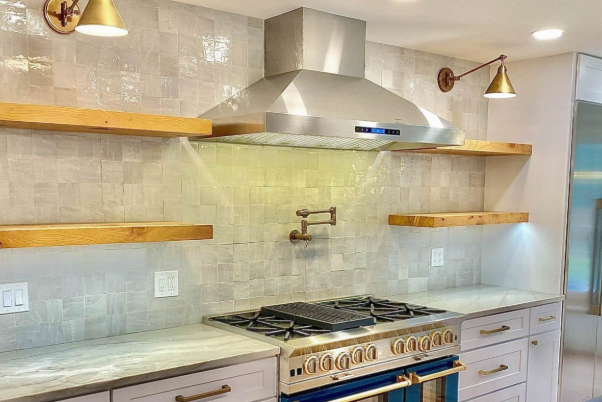
A spacious kitchen benefits from appliances that combine reliable performance with a balanced design. For homeowners with wide cooking ranges, multiple burners, or a professional-style cooking setup, choosing the right ventilation system is essential. A 48 range hood can provide a broad capture area for smoke, grease, steam, and cooking odors while becoming a striking feature in the kitchen.
However, width alone does not determine whether a range hood will perform well. Airflow capacity, duct configuration, installation height, noise levels, and maintenance requirements all influence the results. Understanding these factors makes it easier to select a hood that suits both the cooking space and the household’s needs.
Why Consider a Wider Range Hood?
A wide cooking appliance may produce emissions across several burners at once. A properly sized 48 range hood can help capture these emissions before they spread into surrounding rooms, particularly when the hood’s depth and design suit the cooking surface.
A wider hood can also create a more proportional appearance above a large range. It may fit naturally into kitchens with broad cabinetry, substantial backsplashes, or expansive cooking walls.
Before choosing a model, measure the range and the available installation space. The hood should generally be at least as wide as the cooking surface, although the manufacturer’s guidance and the cooking setup determine the appropriate dimensions.
Evaluate Ventilation Capacity
Range hood airflow is commonly measured in cubic feet per minute (CFM). The appropriate rating depends on the type of range, heat output, cooking habits, and ventilation design.
Frequent frying, searing, and high-heat cooking can generate more smoke and grease than occasional simmering. A 48 range hood should therefore be selected according to the demands of the appliance rather than width alone.
Consider the following factors when comparing models:
- Fan capacity: Check the manufacturer’s recommended airflow for the cooking appliance.
- Duct size: Use the specified duct diameter to avoid unnecessary airflow restrictions.
- Duct length: Shorter routes with fewer bends generally support more efficient exhaust.
- Noise levels: Compare sound ratings at different fan speeds, not only at maximum power.
- Operating controls: Multiple speeds and accessible controls make ventilation easier to manage.
A powerful fan cannot compensate fully for poorly designed ductwork, so plan the complete exhaust system before installation.
Choose Between Wall-Mounted and Island Designs
The kitchen layout helps determine which hood configuration is appropriate. Wall-mounted models are installed above ranges positioned against a wall, while island hoods are suspended over cooking surfaces located away from walls.
Island installations can require special attention because air currents around an open cooking area may affect how effectively smoke enters the hood. Mounting height, hood depth, and the surrounding layout are especially important.
A 48 range hood can become a visual centerpiece when paired with complementary cabinetry, lighting, and backsplash materials. Stainless steel often suits contemporary kitchens, while concealed or custom-integrated designs may work better in spaces where a subtle appearance is preferred.
Confirm Installation and Safety Requirements
Correct installation affects both safety and performance. Verify the recommended clearance between the cooking surface and hood, as this distance varies by model and appliance type. Follow the manufacturer’s instructions and applicable building codes.
Also check ceiling height, mounting support, electrical access, and the route to the exterior exhaust outlet. In tightly sealed homes, high-capacity exhaust equipment may require a makeup-air system under local codes.
Because a 48 range hood can be large and heavy, ensure that the mounting surface and hardware are suitable for the unit’s weight. Professional installation may be appropriate when ductwork, electrical connections, or structural modifications are required.
Keep Filters Clean for Better Performance
Grease filters collect airborne particles produced during cooking. As residue accumulates, filters may become less effective, and airflow can be affected. Cleaning frequency depends on how often the kitchen is used and the types of food prepared.
Always consult the hood’s manual before removing or washing a filter, since some filters are dishwasher-safe while others require a different approach.
Regularly clean accessible surfaces, inspect the exhaust outlet, and address unusual fan sounds or declining airflow. Proper care helps a 48 range hood continue working as intended.
Conclusion
Choosing a 48 range hood involves more than finding a model that fits a wide cooking range. Homeowners should compare airflow, duct requirements, mounting options, noise levels, safety clearances, and cleaning needs before making a decision. For practical maintenance guidance, how to clean range hood filters explains the importance of following the correct cleaning process for different filter materials. With careful planning, the right hood can improve kitchen ventilation, reduce the spread of cooking odors, and complement the room’s overall design. Prioritizing proper sizing and installation helps create a comfortable, functional cooking space built around everyday use.