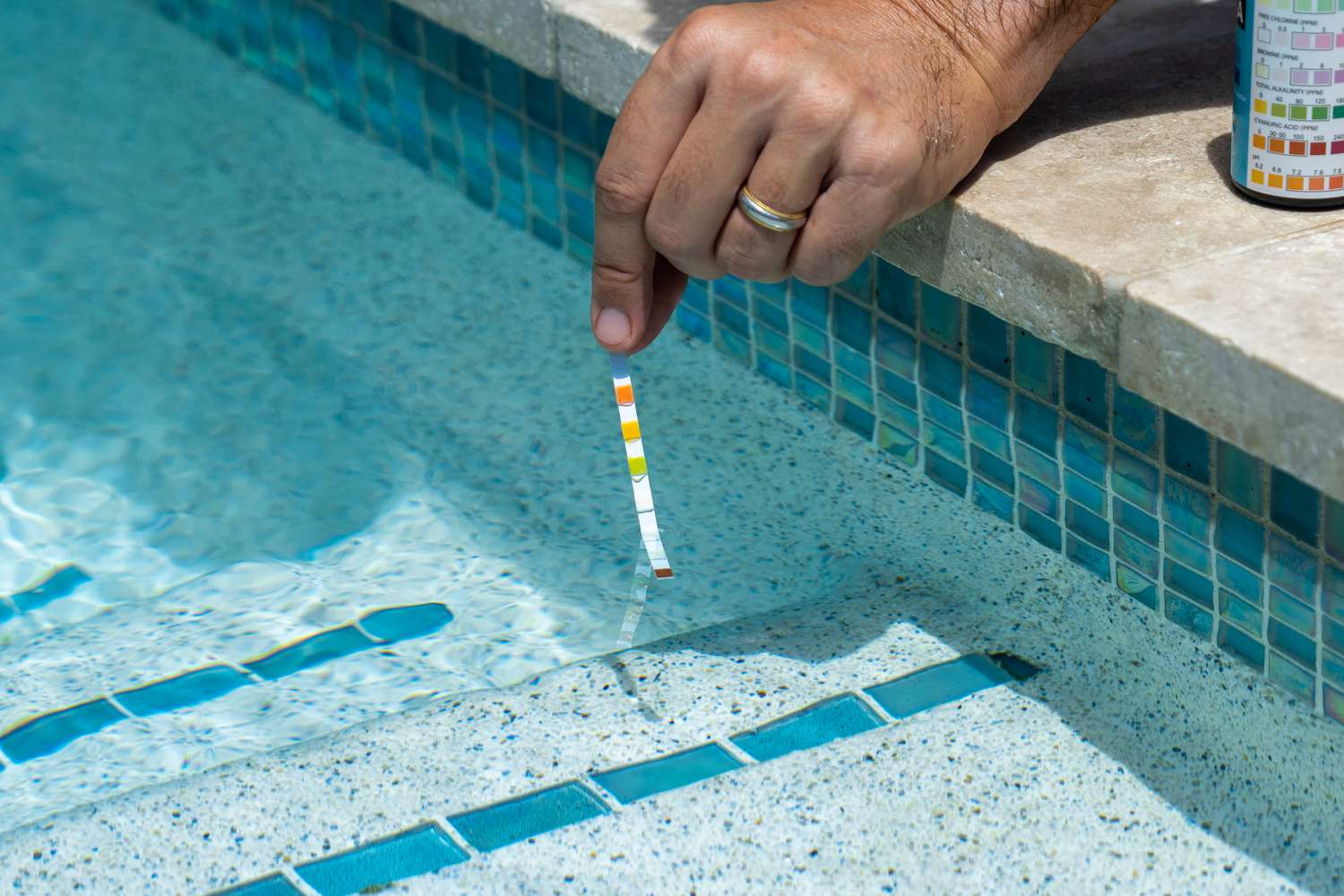
Low alkalinity can develop for several reasons, including repeated use of acidic chemicals, heavy rainfall, water replacement, or naturally low-alkalinity source water. Symptoms may include unstable pH, irritation, or conditions that contribute to corrosion when the imbalance becomes significant. However, appearance alone cannot confirm an alkalinity problem. Testing the water with a reliable test kit is the first step before making any adjustment.
When alkalinity becomes too low, pH can fluctuate quickly and may become difficult to manage. Learning how do you raise pool alkalinity is an important part of maintaining balanced, comfortable, and properly protected pool water. Total alkalinity measures the water’s ability to resist sudden changes in pH, helping keep the chemistry more stable over time. Understanding what causes low alkalinity and how to correct it gives pool owners a practical foundation for routine water care.
What Is Total Pool Alkalinity?
Total alkalinity refers primarily to the concentration of bicarbonates, carbonates, and other alkaline substances that help buffer changes in pool water chemistry. In practical terms, alkalinity acts like a stabilizing system for pH. When it is within the appropriate range, pH generally becomes easier to maintain. When it is too low, even relatively small additions of acidic or basic substances can cause noticeable changes.
Pool owners should understand that alkalinity and pH are related but are not the same measurement. pH tells you how acidic or basic the water is at a particular moment, while total alkalinity indicates how strongly the water resists pH changes. This distinction matters when deciding which chemical adjustment is appropriate. Treating pH and alkalinity as identical can lead to unnecessary chemical additions and unstable water chemistry.
How Do You Raise Pool Alkalinity?
The most common method for increasing total alkalinity is using a pool alkalinity increaser, typically based on sodium bicarbonate. Before adding anything, test the pool water and determine how far the alkalinity is outside the desired range for your particular pool. The product label should be used to determine the appropriate amount because chemical strength, pool volume, and target adjustment can vary. Avoid estimating a dose simply by looking at the water.
Once the required amount has been determined, add the product according to its label instructions and distribute it properly through the pool water. Keep the circulation system operating as recommended so the chemical can disperse throughout the pool. Avoid making multiple large adjustments before giving the first treatment time to circulate. Retesting afterward allows you to confirm the result and decide whether another small adjustment is actually necessary.
Test Before Adding Alkalinity Increaser
Accurate testing is one of the most important habits for anyone learning pool maintenance. Use a dependable test kit or testing method to measure total alkalinity, pH, and other relevant water parameters. If the test results appear unusual or conflict with another testing method, consider having the water professionally tested. Reliable information is essential because adding chemicals to already-balanced water can create a different problem.
Pool volume also matters when calculating chemical requirements, which is why guessing can be risky. An oversized dose may push alkalinity too high and potentially affect pH or contribute to other water-balance concerns. If you are unsure about your pool’s capacity, chemical product, or test results, consult a qualified pool professional. Following manufacturer instructions is always preferable to relying on generalized dosing advice.
The Relationship Between Alkalinity and pH
Alkalinity provides buffering capacity, while pH measures the immediate acidity or basicity of the water. When alkalinity is too low, pH can move up and down more easily, sometimes making routine maintenance frustrating. Correcting alkalinity can improve pH stability, but it does not mean the two measurements should automatically be adjusted in the same way. Each should be tested and managed based on its actual reading.
When raising alkalinity also causes pH to increase, the water may eventually require a separate pH adjustment. This is where raising ph in swimming pool water requires careful attention to both measurements rather than focusing on only one. Make one controlled adjustment at a time and allow the water to circulate before retesting. This approach reduces the possibility of repeatedly correcting one parameter while unintentionally pushing another too far.
Common Causes of Low Pool Alkalinity
Understanding why alkalinity falls can help prevent repeated problems. Frequent use of acidic chemicals can gradually reduce total alkalinity, while heavy rainfall can dilute pool water and alter its chemistry. Adding replacement water with different mineral and alkalinity characteristics can also change the balance. Certain sanitation systems and water-treatment practices may require more frequent monitoring than others.
Pool usage and environmental conditions can further influence chemistry. Splash-out and backwashing remove water from the pool, and replacing that water can alter the overall chemical balance. This does not mean alkalinity will always decline after these events, but it highlights why regular testing is more reliable than following a fixed chemical schedule. Monitoring trends over time can reveal whether a pool consistently loses alkalinity between maintenance visits.
How to Avoid Raising Alkalinity Too Much
Overcorrecting low alkalinity is a common mistake, particularly when a pool owner adds another dose before checking the results of the first adjustment. Excessively high alkalinity can make pH difficult to manage and may contribute to conditions that encourage scaling in certain pools. The goal is not to make the alkalinity as high as possible. The goal is to bring it into a suitable range for the pool and maintain stability.
Make adjustments gradually and give the water adequate circulation before testing again. Keep records of the amount of product used and the resulting test readings so you can understand how your pool responds. If the readings do not change as expected, investigate testing accuracy, pool volume, circulation, and other chemistry factors before adding more product. A measured process is safer and more predictable than repeated guessing.
Should You Adjust pH at the Same Time?
It is tempting to correct alkalinity and pH simultaneously, especially when both readings appear outside their desired ranges. However, making several significant changes at once can make it difficult to determine how each adjustment affected the water. In many situations, addressing the more fundamental alkalinity issue first and then retesting pH provides a clearer path. The exact order can depend on the starting measurements and the needs of the pool.
If pH is also substantially outside its appropriate range, follow the recommendations for your pool’s specific water-care system and chemical products. Avoid assuming that an alkalinity increaser is automatically the right solution for a pH problem. Similarly, pH-adjusting chemicals should not be used simply because alkalinity is low. Understanding the difference between these measurements helps prevent unnecessary treatment.
Professional Help for Persistent Alkalinity Problems
Occasional adjustments are normal, but repeatedly low alkalinity may indicate that something about the pool’s water management deserves closer attention. A professional pool technician can test the water, review chemical history, assess circulation, and identify patterns that may be difficult to recognize through occasional homeowner testing. Professional testing can also be useful when home test results seem inconsistent or the water develops additional problems.
Expert assistance is particularly helpful when chemical adjustments are not producing the expected results or when the pool has complicated equipment or specialized water-treatment requirements. A technician can help establish an appropriate maintenance routine based on the pool’s size, surface, filtration system, sanitation method, and local water characteristics. Good maintenance is not simply about adding chemicals; it is about understanding how the entire water-care system works together.
Final Tips for Maintaining Balanced Alkalinity
Knowing how do you raise pool alkalinity is only one part of effective pool maintenance. Test total alkalinity regularly, monitor pH, and keep records of significant chemical adjustments and water changes. Use an appropriate alkalinity increaser according to its label rather than relying on generic measurements. Allow adequate circulation and always retest before deciding whether additional treatment is necessary.
Balanced pool water requires consistency rather than constant chemical correction. By understanding the difference between alkalinity and pH, testing before treating, and making gradual adjustments, beginners can avoid many common water-care mistakes. If the chemistry remains unstable despite careful maintenance, professional testing can help identify the underlying cause. A thoughtful routine will make the pool easier to maintain and help protect its surfaces, equipment, and overall water quality.