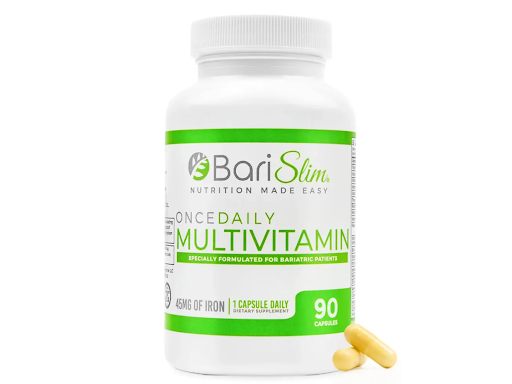
Gastric bypass surgery can bring significant changes to the digestive system, including how much food a person can eat and how efficiently certain nutrients are absorbed. Although a balanced diet remains an important part of recovery, smaller portions and changes in digestion can make it difficult to obtain every essential vitamin and mineral from food alone. Understanding nutritional needs after surgery helps patients build habits that support their long-term wellbeing.
A gastric bypass multivitamin is commonly part of the nutritional plan recommended after surgery. However, supplementation is not simply about taking one tablet each day. Patients also need to understand which nutrients may require additional attention, how to follow their healthcare team’s recommendations, and why regular blood tests are important.
Why Nutritional Needs Change After Surgery
Gastric bypass alters the size of the stomach and changes the route food takes through part of the digestive tract. These changes can affect both food intake and the absorption of certain nutrients. As a result, some patients face an increased risk of deficiencies even when they make an effort to eat nutritious meals.
According to bariatric care guidance, long-term vitamin and mineral supplementation is generally necessary after gastric bypass. Nutritional requirements can differ according to the surgical procedure, individual medical history, dietary intake, and laboratory results.
This is why patients should follow the plan provided by their bariatric surgeon or registered dietitian rather than relying on a standard multivitamin designed for the general population. The appropriate formulation and dosage can make a meaningful difference in meeting postoperative nutritional needs.
Essential Nutrients to Consider
Vitamin B12: This nutrient helps maintain healthy nerve function and supports red blood cell formation. Changes in digestion after surgery can make it harder to absorb enough vitamin B12, so an appropriate supplement and regular monitoring may be necessary.
Iron: Iron contributes to haemoglobin production, which allows red blood cells to carry oxygen. Some patients may need additional iron, depending on their procedure, blood test results, dietary intake, and individual circumstances.
Calcium and vitamin D: These nutrients work together to support bone health. Healthcare professionals may recommend calcium supplementation alongside vitamin D, with the form, dose, and schedule tailored to the patient’s needs.
Folate and thiamine: Folate supports cell growth and red blood cell production, while thiamine plays a role in energy metabolism and normal nerve function. Maintaining adequate levels is particularly important during recovery and long-term follow-up.
Other trace minerals and vitamins: Zinc, copper, and vitamins A, E, and K may also require attention. The risk and level of supplementation depend on the type of surgery and the individual’s nutritional status.
How to Choose the Right Multivitamin
Not all multivitamins contain the same amounts of vitamins and minerals. Products designed for people who have undergone bariatric surgery may provide nutrient levels that differ from those in ordinary over-the-counter formulas.
When comparing options, review the nutrient label carefully. Consider the amounts of iron, thiamine, folate, vitamin B12, zinc, and copper, along with other nutrients recommended by your healthcare team. The number of tablets or capsules required each day also matters, especially if swallowing pills is uncomfortable after surgery.
A gastric bypass multivitamin should fit into your prescribed nutritional plan, rather than replace the need for individual assessment. Some patients may need separate calcium, vitamin D, iron, or vitamin B12 supplementation because a multivitamin alone may not provide enough of these nutrients. Calcium and iron may also need to be taken at different times to support absorption.
The Importance of Regular Blood Tests
Taking supplements consistently is only one part of maintaining nutritional health after surgery. Routine blood tests help healthcare professionals identify deficiencies before they become more serious and determine whether the current supplementation plan is working.
Monitoring commonly includes nutrients such as iron, vitamin B12, folate, vitamin D, and calcium-related markers. Other tests may be recommended depending on the procedure, symptoms, medical history, and previous results.
Support Your Long-Term Nutritional Health
Maintaining adequate vitamin and mineral levels after gastric bypass requires a combination of appropriate supplementation, balanced eating, consistent habits, and regular medical monitoring. Exploring bariatric nutrition supplements alongside guidance from your healthcare team can also help you understand your options and make informed decisions about maintaining your nutritional wellbeing.