Automated teller machines have become an important part of modern banking and retail environments, allowing customers to access cash without visiting a traditional bank branch. Behind every successful transaction is a combination of hardware, software, connectivity, security measures, and financial services working together. Understanding ATM machine processing can help businesses and operators recognize what happens when a customer requests cash and why reliable systems are important.
How an ATM Transaction Works
An ATM transaction begins when a customer inserts or taps a payment card and enters a personal identification number. The machine collects the necessary information and sends a transaction request through a secure communication network. The request is routed to the appropriate financial institution or payment processor for authorization.
The processing system checks whether the account can support the requested transaction and verifies the necessary security information. If the transaction is approved, the ATM receives an authorization response and dispenses the requested cash. The transaction is then recorded so that the relevant financial accounts can be updated.
This sequence generally takes only a few seconds, but several systems may be involved behind the scenes. Reliable communication between the ATM, processor, financial institution, and network is therefore essential.
Key Components Behind ATM Processing
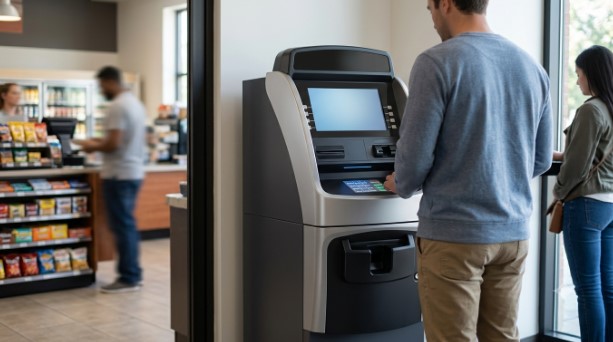
Several components contribute to effective ATM operations. The physical machine includes a card reader, keypad or touchscreen, cash dispenser, receipt printer, and security features. Depending on the model, additional functions may include contactless card acceptance, deposit capabilities, or enhanced accessibility features.
The processing infrastructure is equally important. Secure networks transmit transaction information between the ATM and financial institutions. Encryption and authentication technologies help protect sensitive information while it is being transmitted.
Operators also need systems for monitoring machine status and cash levels. Remote monitoring can identify problems such as low cash, paper shortages, communication failures, or hardware faults. Addressing these issues quickly can reduce downtime and help maintain consistent customer access.
Choosing Equipment for Different Locations
Businesses considering ATM deployment should evaluate their location, customer volume, available space, and expected transaction frequency. A machine installed in a busy convenience store may have different requirements from one located in a hotel, entertainment venue, restaurant, or office building.
When comparing ATM cash machines for sale, operators should look beyond the initial purchase price. Important considerations include cash capacity, security features, connectivity options, accessibility, maintenance requirements, and compatibility with the intended processing arrangement.
The physical environment also matters. An ATM exposed to heavy customer traffic may require durable construction, while an indoor installation may place greater emphasis on appearance and space efficiency. Businesses should also consider where the machine will be positioned so customers can use it conveniently while maintaining appropriate privacy.
Security and Maintenance Considerations
Security is a central part of ATM operations. Machines should incorporate appropriate physical protections and software safeguards to reduce the risk of unauthorized access or fraudulent activity. Regular inspections can also help identify tampering, damaged components, or unusual activity.
Maintenance is another important consideration. Cash dispensers, card readers, screens, receipt printers, and other components can experience wear over time. Preventive servicing can help identify potential problems before they interrupt transactions.
Operators should also maintain appropriate records of cash replenishment, service visits, transaction issues, and equipment performance. These records can help identify recurring problems and support more efficient maintenance decisions.
Why Reliable Processing Matters
Customers generally expect ATM transactions to be quick, secure, and dependable. A failed transaction, unavailable machine, or delayed response can create inconvenience and reduce confidence in the location providing the service. For operators, repeated technical issues can also increase maintenance costs and interrupt normal business activity.
Effective ATM machine processing therefore depends on more than the physical machine itself. Network connectivity, transaction authorization, security, cash management, software, and ongoing maintenance all contribute to the overall experience.
Conclusion
As businesses evaluate their ATM requirements, understanding these elements can make it easier to compare equipment and operating arrangements. For businesses exploring ATM equipment, Best Products Sales & Service can be considered when researching options and determining which equipment and support arrangements may suit their operational needs. Careful planning also helps ensure that the selected solution matches the location, expected usage, and operational requirements.