Healthy smiles do not happen by accident. Daily brushing, regular checkups, and professional cleanings all help protect your family’s teeth and gums.
Preventive dental care focuses on stopping problems before they become painful or difficult to treat. It can help children, adults, and older family members avoid cavities, gum disease, infections, and tooth loss.
Families looking for reliable Dental Care in Sugar Land can benefit from understanding which preventive steps matter and how often each person may need them.
What Is Preventive Dental Care?
Preventive dental care includes treatments and habits that protect your teeth before serious problems develop. It combines care at home with regular visits to a dental office.
It may include dental examinations, professional cleanings, fluoride treatments, X-rays, sealants, and advice about brushing and food choices.
Preventive care does not guarantee that you will never have a dental problem. However, it can lower your risk and help a dentist find concerns while they are still small.
Why Is Preventive Dental Care Important?
Many dental problems begin without clear warning signs. A small cavity may not hurt. Early gum disease may only cause mild bleeding during brushing.
Without treatment, a small cavity can grow deeper and reach the soft tissue inside the tooth. Gum irritation can also become a more serious condition that damages the bone supporting your teeth.
Preventive care helps your family:
- Lower the risk of cavities
- Protect the gums
- Find dental problems early
- Keep natural teeth longer
- Avoid some dental emergencies
- Reduce bad breath caused by buildup
- Make future treatment simpler
- Build healthy dental habits
Visiting a Dentist in Sugar Land also gives each family member a chance to ask questions about pain, sensitivity, brushing, diet, or changes in the mouth.

What Does Preventive Dental Care Include?
Preventive care is not one single treatment. It includes several services and daily habits that work together.
Dental Checkups
During a checkup, the dentist examines the teeth, gums, tongue, cheeks, and other parts of the mouth. The dentist may look for cavities, cracks, gum problems, worn teeth, infections, or damaged fillings.
Professional Teeth Cleaning
Professional cleaning removes plaque and hard tartar from the teeth. It can also reduce some surface stains and make the teeth feel smoother.
Dental X-Rays
X-rays may be taken when needed. They can help the dentist find problems that are difficult to see, including decay between teeth, bone loss, and concerns below the gums.
Fluoride and Dental Sealants
Fluoride helps strengthen tooth enamel and protect it from decay. Dental sealants create a thin protective layer over the chewing surfaces of back teeth.
How Do Regular Checkups Protect Your Teeth?
Regular checkups allow a dentist to find small changes before they cause serious pain. For example, a tiny cavity may require a simple filling. If it grows deeper, the tooth may eventually need a crown, root canal, or removal.
A dentist can also check old fillings, crowns, bridges, implants, and dentures. These restorations may wear down, loosen, or become damaged over time.
Checkups are also useful for people who grind their teeth. Grinding may cause worn enamel, headaches, jaw pain, or cracked teeth. Finding these signs early may help prevent more damage.
Why Is Professional Teeth Cleaning Needed?
Brushing and flossing remove much of the plaque that collects each day. However, some buildup may remain in hard-to-reach areas, especially near the gumline and between crowded teeth.
When plaque hardens into tartar, a normal toothbrush cannot remove it. A dental professional must use special tools to clean it away.
Removing plaque and tartar helps protect the gums and makes daily cleaning easier. It may also improve breath and reduce visible yellow or brown buildup.
How Does Preventive Care Help Stop Cavities?
Cavities develop when harmful bacteria use sugar from foods and drinks to create acids. These acids slowly weaken the enamel covering the teeth.
Families can lower the risk of decay by brushing with fluoride toothpaste, cleaning between the teeth, limiting sugary snacks, and visiting a dentist regularly.
Dental sealants may be helpful for back teeth because their deep grooves can trap food and plaque. Fluoride treatments may also support children or adults who face a higher risk of cavities.
Can Preventive Care Help Avoid Gum Disease?
Early gum disease may cause red, swollen, or bleeding gums. Some people also notice bad breath or tenderness near the gumline.
Daily brushing and cleaning between the teeth can remove plaque before it irritates the gums. Professional cleaning removes tartar that home care cannot remove.
Gum disease can sometimes develop without pain. That is why examinations matter even when your mouth feels normal. Early care is often simpler than treatment for advanced gum problems.
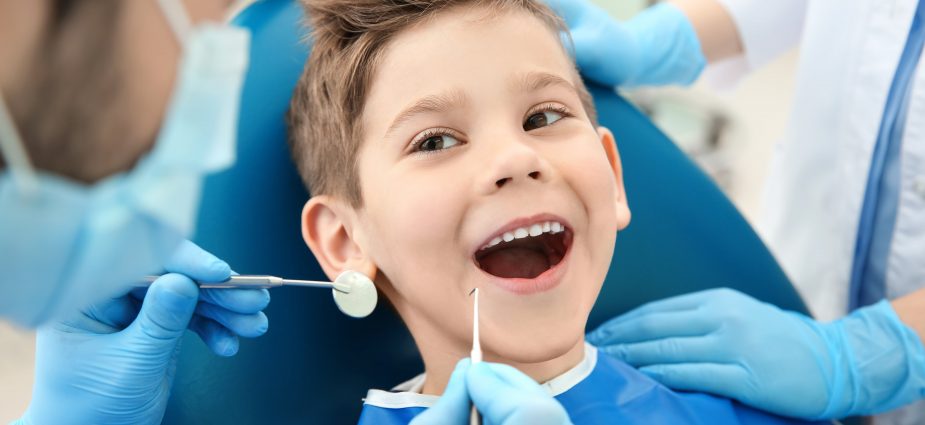
Why Do Children Need Preventive Dental Care?
Baby teeth help children chew, speak clearly, and hold space for adult teeth. Cavities in baby teeth can still cause pain, infection, and problems with eating or sleeping.
Early visits help parents learn how to clean small teeth, use the right amount of toothpaste, and manage sugary snacks and drinks. They also allow the child to become familiar with the dental office.
A calm first experience can make future visits feel less frightening. Children who learn healthy habits early may also find it easier to care for their teeth as they grow.
When Should a Child First Visit the Dentist?
A child should generally have a first dental visit when the first tooth appears or by the first birthday. This early visit is often short and focused on prevention.
The dentist may examine the child’s mouth, check tooth development, and show parents how to brush properly. Parents can also ask about thumb-sucking, pacifiers, teething, fluoride, and feeding habits. Early-visit guidance for parents supports arranging a child’s first visit by age one.
Why Do Adults Need Regular Dental Care?
Adults remain at risk of cavities, gum disease, cracks, worn enamel, and damaged dental work. Stress, diet, smoking, dry mouth, and certain medicines may also affect oral health.
Regular care can help an adult manage small problems before they interfere with eating or daily comfort. It also gives the dentist a chance to review changes in health and medicines.
The team at Glow Up Dentistry Near Sugar Land can discuss preventive needs based on a patient’s age, dental history, current health, and risk of future problems.
How Does Preventive Care Help Older Adults?
Older adults may experience dry mouth, gum recession, worn teeth, missing teeth, or difficulty cleaning around dental work. Some medicines can lower saliva flow, which may increase the risk of cavities.
Preventive visits allow a dentist to check crowns, bridges, implants, and dentures. The dentist can also suggest easier cleaning tools for people who have limited hand movement.
Regular care can help older adults maintain comfort while eating and speaking. It may also support the long-term use of natural teeth and dental restorations.
Can Preventive Dental Care Save Your Family Money?
Preventive care may reduce the chance of needing complex treatment later. A small cavity is usually simpler to manage than a deep infection. Early gum care may also help prevent damage to the tissues supporting the teeth.
Costs can still vary based on the person, treatment, and insurance plan. Ask the office for an estimate before receiving care.
When comparing Dental Services in Sugar Land, TX, families should consider preventive options, treatment costs, insurance policies, and payment choices.
Can Healthy Teeth Support Overall Well-Being?
Healthy teeth help you bite and chew many kinds of food. A comfortable mouth can also make it easier to speak, sleep, smile, and focus on normal activities.
Tooth pain may disturb sleep or make eating difficult. Missing or damaged teeth can also affect speech and confidence.
Preventive dental care supports oral comfort and daily quality of life. However, dental visits do not replace medical care for other health conditions.
What Can Families Do at Home?
Good home habits are an important part of prevention. Every family member should follow advice that fits their age and dental needs.
Helpful habits include:
- Brush twice each day with fluoride toothpaste
- Clean between the teeth once a day
- Use a soft-bristled toothbrush
- Replace a worn toothbrush
- Limit sugary snacks and drinks
- Drink water throughout the day
- Avoid smoking and other tobacco products
- Wear a mouthguard during contact sports
- Avoid chewing ice and hard objects
- Follow personal instructions from your dentist
Young children need help with brushing. Older children may also need supervision until they can clean every tooth properly.
How Can Parents Build Healthy Dental Habits?
Children often copy what they see at home. Parents can set a good example by brushing regularly, choosing balanced meals, and attending their own dental visits.
Create a simple morning and bedtime routine. Brush together when possible, and use a timer or short song to make sure brushing is not rushed.
Avoid using sweets as a daily reward. Offer water instead of sugary drinks between meals. Praise children for caring for their teeth without using frightening stories about the dentist.
How Often Should Your Family Visit the Dentist?
There is no single schedule for every person. Some people may need checkups every six months, while others may need visits more or less often.
The right timing depends on age, gum health, cavity risk, medical conditions, medicines, dental history, and home-care habits.
A cosmetic dentist in Sugar Land may also recommend completing needed preventive or restorative care before whitening, bonding, veneers, or another appearance-focused treatment.
What Signs Should Your Family Never Ignore?
Do not wait for the next routine visit if someone has:
- Strong or lasting tooth pain
- Swelling in the face or gums
- A broken or knocked-out tooth
- Bleeding gums that do not improve
- Pain while biting or chewing
- A loose adult tooth
- A dark or changing tooth
- Bad breath that continues
- A mouth sore that does not heal
- Strong sensitivity to heat or cold
Facial swelling, fever, trouble swallowing, or difficulty breathing may require urgent medical attention.
How Can You Make Dental Visits Less Stressful?
Choose a calm appointment time, especially for young children. Avoid using words that may create fear. Instead, explain that the dentist will count and check their teeth.
Nervous adults should tell the dental team about their concerns before treatment begins. The dentist may explain each step, allow short breaks, or discuss comfort choices.
Bringing medicine lists, insurance details, and questions can also make the visit easier. Clear information helps patients feel more prepared and in control.
How Do You Choose a Family Dentist?
Look for a dental office that provides care suitable for different ages. Check its services, hours, location, emergency policies, insurance options, and communication style.
The dentist should listen carefully and explain findings in simple words. Treatment choices, expected costs, benefits, and limits should be clear before care begins.
Families in Sugar Land, TX, may consider Glow Up Dentistry Near Sugar Land when comparing local options for preventive, general, and cosmetic dental care.
Make Preventive Care Part of Your Family Routine
Preventive dental care can protect teeth, support healthy gums, and help small problems receive attention early. It is useful for babies, children, adults, and older family members.
Daily brushing and flossing create a strong base at home. Regular examinations and professional cleanings provide added protection that home care cannot offer alone.
Start with simple steps. Build a daily routine, limit sugary snacks, watch for warning signs, and follow a visit schedule based on each family member’s needs.
Frequently Asked Questions
How often should every family visit a dentist?
Visit timing depends on each person’s age, oral health, cavity risk, and dental history. Many people attend every six months, but some need different schedules. A dentist should examine each family member and recommend suitable visit times.
Can preventive dental care stop every tooth problem?
Preventive care cannot stop every dental problem, injury, or natural change. However, regular checkups, professional cleanings, fluoride, sealants, and good home habits can lower common risks and help dentists find concerns before they become more serious.
At what age should preventive dental care begin?
Preventive care begins before a baby’s first tooth appears by gently cleaning the gums. A child’s first dental visit should usually happen when the first tooth arrives or by age one, followed by regular care based on individual needs.