You completed a whitening treatment and expected a bright white smile. However, your teeth may still look slightly yellow, dull, or uneven. This can feel disappointing, but it does not always mean the treatment failed.
Whitening results are different for every person. Your natural tooth color, enamel thickness, stain type, dental work, and daily habits can all affect the final shade. The whitening method and length of treatment also matter.
In many cases, a dentist can identify why the yellow color remains. The right next step may involve more whitening, a dental cleaning, or another cosmetic treatment.
Does Whitening Always Make Teeth Bright White?
Teeth whitening can lighten natural teeth, but it cannot promise a perfect white shade. Some people see a clear change after one treatment. Others need several applications before noticing their full results.
Your starting tooth color plays a major role. Light yellow stains often respond better than gray or brown discoloration. Deep stains may also take longer to improve.
Professional Teeth whitening should create a natural-looking result. Teeth that become too white may look unnatural next to your skin tone, gums, and dental restorations. Therefore, a brighter but realistic shade is often the better goal.
Your Natural Tooth Color May Be Yellow
Healthy teeth are not always pure white. The outer layer of a tooth is called enamel. Enamel is partly clear, so the layer underneath can affect the visible color.
That inner layer is called dentin. It naturally has a yellow or cream shade. If your enamel is thin or very clear, more dentin may show through. Whitening can lighten the teeth, but it cannot completely hide their natural structure.
Enamel may also become thinner with age. As a result, the yellow dentin can become more noticeable. This natural color is not necessarily a sign of poor oral health.
The Stains May Be Inside Your Teeth
Surface stains form on the outside of teeth. Coffee, tea, tobacco, dark sauces, and plaque often cause them. These marks usually respond well to cleaning or whitening.
Deep stains develop inside the tooth. They can be harder to treat because whitening material must reach discoloration beneath the enamel. Some deep stains improve slowly, while others may never disappear completely.
Common Causes of Deep Discoloration
Deep tooth color changes may be caused by:
- Natural aging
- A past tooth injury
- Certain medicines
- Changes during tooth development
- Too much fluoride during childhood
- Damage to the tissue inside a tooth
- Long-term exposure to dark foods or drinks
A dental examination can help show whether the color is on the surface or inside the tooth. This information makes it easier to choose a suitable treatment.
You May Have Expected Results Too Quickly
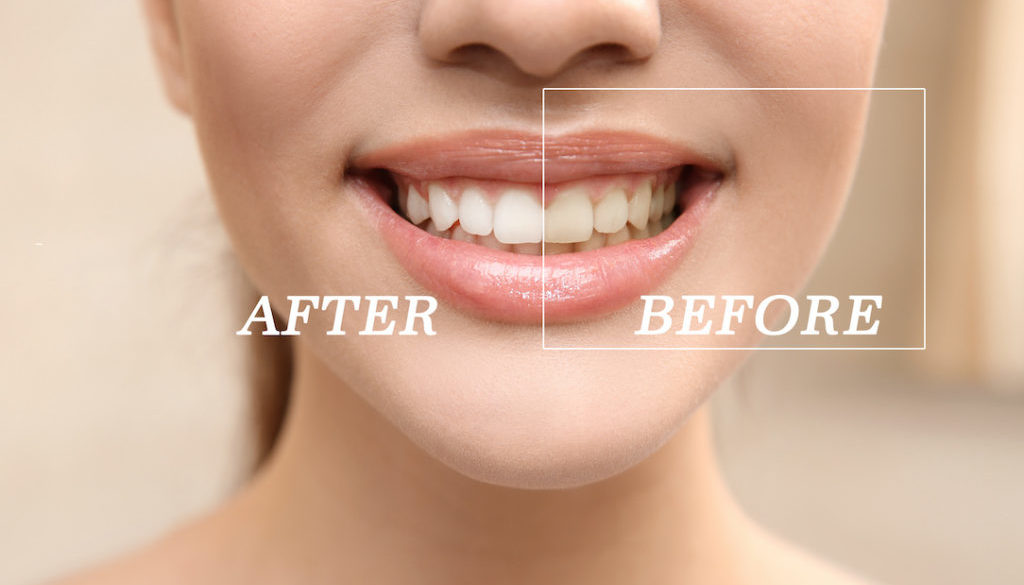
Some whitening treatments produce results in one office visit. However, dentist-supervised take-home systems may require regular use over several days or weeks.
One or two applications may not create the final shade. The teeth can continue to lighten as you complete the recommended treatment schedule.
Do not use extra gel or leave the product on longer to speed up the process. Doing so may increase tooth sensitivity and irritate your gums. Follow the treatment instructions and give the product enough time to work safely.
The Whitening Product May Be Too Weak
Whitening products come in different strengths. Many basic toothpastes only remove light surface stains. They usually do not change the deeper natural shade of teeth.
Store-bought strips and gels may provide a mild improvement. However, their strength, fit, and treatment time can limit the results.
Professional teeth whitening services allow the treatment to be selected according to your stain type and oral health. A dentist can also check your progress and adjust the plan when the first method does not provide the expected change.
Stronger does not always mean better. The right product should balance whitening results with the risk of sensitivity and gum irritation.
The Product May Not Reach Every Tooth Evenly
Whitening material must touch the tooth surface evenly. Loose strips, poorly fitting trays, or uneven gel placement can leave some areas more yellow than others.
Crowded or rotated teeth may also be difficult to cover. A strip may touch the front of one tooth but miss the side of another. Gel can also move away from certain areas if a tray does not fit properly.
Custom trays are made to follow the shape of your teeth. They may provide more even contact than a basic one-size product. However, every treatment still needs to be used correctly.
Plaque and Tartar May Cover the Teeth
Plaque is a soft layer of bacteria that forms on teeth. When it remains for too long, it can harden into tartar. Tartar often looks yellow or brown, especially near the gumline.
Whitening gel cannot remove hardened tartar. It may also have trouble reaching enamel covered by heavy plaque or surface stains. Therefore, your smile may continue to look dull after treatment.
A professional dental cleaning can remove this buildup. In some cases, cleaning alone makes the teeth appear brighter. Your dentist may recommend cleaning before whitening so the product can reach the tooth surfaces more evenly.
Crowns, Fillings, and Veneers Do Not Whiten
Whitening products work on natural tooth material. They generally do not change the color of crowns, veneers, bridges, bonding, or tooth-colored fillings.
Dental work that matched your teeth before treatment may look darker after the surrounding teeth become lighter. This difference can make your smile appear uneven.
A dentist may recommend waiting until your whitening results settle before replacing visible dental work. This allows a new restoration to be matched with the updated shade. Replacement should only be considered when the color difference is noticeable and concerns you.
New Stains May Form After Treatment
Whitening results do not last forever. Your teeth can collect new surface stains, especially if you regularly consume dark foods and drinks.
Habits That Can Quickly Restain Teeth
Common causes of new stains include:
- Drinking coffee, tea, cola, or red wine
- Smoking or using other tobacco products
- Eating dark sauces and colorful berries
- Sipping staining drinks throughout the day
- Skipping daily brushing and flossing
- Allowing plaque and tartar to build up
Rinse your mouth with water after dark drinks. You can also drink suitable cold beverages through a straw to reduce contact with the front teeth.
Why Do Some Teeth Look More Yellow?
Every tooth may not have the same enamel thickness or starting shade. Some teeth naturally look darker than others. Canine teeth, for example, may appear more yellow because they contain more dentin.
Patchy results can also happen when whitening gel does not make equal contact with every tooth. Crowding, dental restorations, white enamel spots, and past injuries may make the difference more visible.
Small white spots may appear brighter during or shortly after treatment. In some cases, the difference becomes less noticeable after the tooth color settles. A dentist should examine spots that remain or cause concern.
Why Does One Tooth Stay Dark?
One dark tooth needs more attention than general yellowing. A gray, brown, or unusually dark tooth may have been injured in the past. The inner tissue may have changed even if you do not remember the injury.
Decay, an old filling, or damage inside the tooth may also affect its color. Standard whitening may not work because the discoloration begins from within.
Do not repeatedly apply extra whitening material to one dark tooth without professional advice. A dentist may need to examine the tooth and take an X-ray. Treatment should address the cause, not only cover the color.
How Can You Identify the Likely Cause?
The appearance and location of the discoloration may provide useful clues.
| What you notice | Possible reason |
| All teeth remain slightly yellow | Natural tooth color or deep staining |
| Yellow buildup near the gums | Plaque or hardened tartar |
| Crowns look darker than nearby teeth | Dental restorations do not whiten |
| Results appear patchy | Uneven gel contact or enamel differences |
| One tooth remains dark | Past injury, decay, or an internal problem |
| Teeth become yellow again | New food, drink, or tobacco stains |
This table cannot replace a dental examination. However, it can help you explain the problem clearly during your appointment.
Should You Whiten Your Teeth Again?
Do not repeat the full treatment immediately just because the first result seems limited. Whitening too often can increase sensitivity and irritate the gums.
Check the product directions and allow enough time for the final shade to settle. If you used a dentist-supervised system, contact the dental office before changing the amount of gel or treatment schedule.
Stop using the product and seek advice if you develop strong pain, gum burns, or sensitivity that does not improve. More whitening will not solve decay, exposed roots, or a damaged tooth.

When Can Professional Whitening Help?
A dentist can check whether your teeth and gums are healthy enough for whitening. Cavities, gum problems, heavy tartar, and damaged restorations may need attention first.
If you are considering Teeth Whitening in Cudahy, an examination can also show what type of stain you have. Professionally supervised treatment may offer more even and noticeable results than a basic product, although no method can remove every kind of discoloration.
A teeth whitening dentist in Cudahy can explain the expected shade change before treatment. This helps you set realistic goals and avoid repeating unsuitable products.
What If Whitening Cannot Remove Yellow Color?
Whitening is not the only way to improve tooth color. The right option depends on the cause and condition of your teeth.
A professional cleaning may help when plaque, tartar, or surface stains are present. Dental bonding can cover some marks with tooth-colored material. Veneers may be considered for deeper discoloration that does not respond to whitening.
A mismatched crown or filling may need replacement if it affects your smile. However, replacing healthy dental work is a personal decision that should be discussed carefully.
One damaged or unhealthy tooth may need treatment before its appearance can be improved. A dental examination in Cudahy, WI, can help separate a cosmetic concern from a problem that affects tooth health.
How Can You Protect Your Whitening Results?
Brush twice each day with fluoride toothpaste and clean between your teeth daily. Gentle, regular cleaning helps prevent plaque and surface stains.
Rinse with water after drinking coffee, tea, soda, or red wine. Avoid tobacco, and do not slowly sip staining drinks for several hours. Attend recommended dental cleanings to remove buildup that brushing cannot remove.
Use touch-up whitening only as directed by your dentist. Frequent treatment is not always necessary and may cause avoidable sensitivity.
When Should You Visit a Dentist?
Arrange a dental visit if one tooth suddenly becomes darker than the others. You should also seek care for tooth pain, visible holes, broken teeth, swollen gums, or ongoing sensitivity.
Gum irritation caused by whitening should improve after treatment stops. However, severe pain, burns, or irritation that continues needs professional attention.
A dentist can identify whether the yellow color comes from natural dentin, surface stains, tartar, dental work, or a deeper tooth problem.
Set Realistic Goals for a Brighter Smile
Teeth that remain yellow after whitening do not always mean the treatment failed. Your natural shade, enamel thickness, deep stains, dental restorations, and daily habits may all affect the result.
Some people need more time or a different whitening method. Others may benefit from cleaning, bonding, veneers, or treatment for a damaged tooth.
Before trying stronger products, find out why the color remains. The safest plan is one that improves your smile without harming your teeth or gums.
Frequently Asked Questions
How long does professional teeth whitening take to work?
Some office treatments create a change during one visit, while take-home systems may need several days or weeks. The exact time depends on the stain type, starting shade, product strength, and how closely you follow the recommended treatment schedule.
Can naturally yellow teeth become completely bright white?
Naturally yellow teeth can often become lighter, but they may not turn completely white. Enamel thickness and the natural dentin shade affect the final color. A dentist can explain the realistic level of improvement before you begin treatment.
Why did whitening work unevenly across all my teeth?
Uneven results may come from crowded teeth, poor tray contact, restorations, enamel differences, or deep stains. Some teeth also begin with a darker shade. A dental examination can identify the cause and guide the most suitable next step.