Creating a home that is both beautiful and functional requires more than selecting attractive furniture or following the latest design trends. The most successful interiors are thoughtfully planned environments that support everyday living while reflecting the personality and lifestyle of the homeowner. As residential design continues to evolve, many homeowners are turning to an experienced interior designer Palo Alto CA to help create spaces that balance comfort, sophistication, and practicality.
Throughout Northern California, homeowners increasingly recognize the value of working with a professional bay area interior designer who understands the unique architectural styles, lifestyle preferences, and design expectations that define the region. Whether renovating an existing property, furnishing a newly built residence, or transforming specific rooms, professional design expertise helps create homes that feel cohesive, functional, and timeless.
Interior design is no longer simply about decorating a space. It is about improving the way people experience their homes every day.
The Changing Expectations of Modern Homeowners
Homes today serve many purposes beyond providing shelter.
They function as:
- Family gathering spaces
- Home offices
- Entertainment areas
- Wellness retreats
- Learning environments
- Places for relaxation
Because homes now support a wider range of activities, homeowners increasingly prioritize interiors that can adapt to changing needs while maintaining visual appeal.
Professional designers help achieve this balance through careful planning and personalized design solutions.
The result is a home that supports daily routines while creating a comfortable and inspiring environment.
Why Palo Alto Homes Require Thoughtful Design Solutions
Palo Alto is known for its diverse residential architecture, ranging from contemporary homes and luxury estates to traditional family residences and custom-built properties.
Each home presents unique opportunities and challenges.
A successful interior designer Palo Alto CA understands how to work within these architectural contexts while enhancing functionality and aesthetics.
Design solutions must consider:
Architectural Style
Interior elements should complement the structure rather than compete with it.
Lifestyle Requirements
Design should reflect how homeowners actually live and use their spaces.
Future Needs
Homes should remain functional as family dynamics and lifestyle priorities evolve.
Personal Preferences
Interiors should feel unique to the people who live there.
This customized approach helps create homes that feel authentic rather than generic.
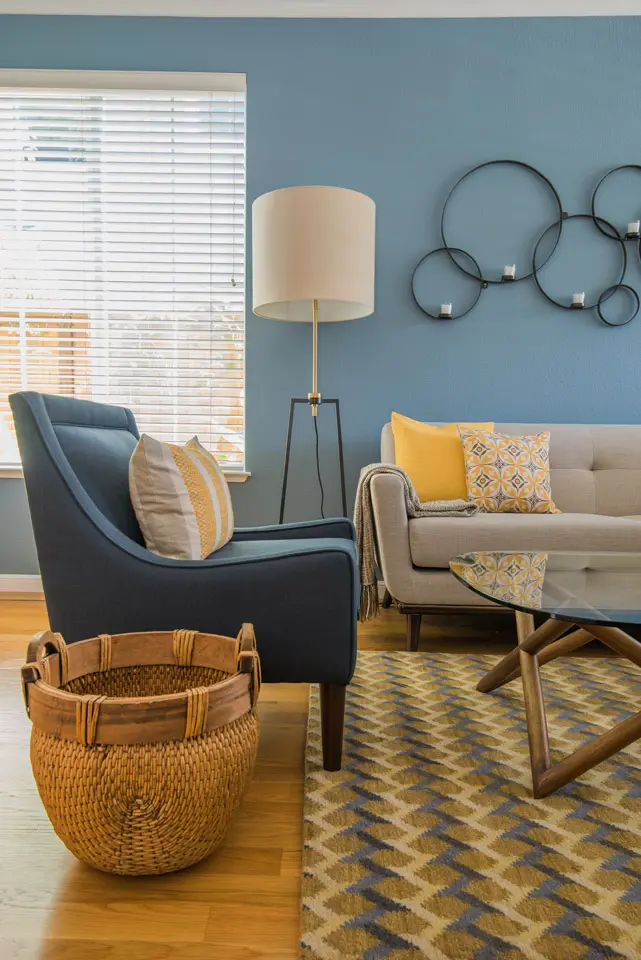
Understanding the Role of a Bay Area Interior Designer
Many people associate interior design primarily with color palettes and furniture selection.
While these elements are important, professional design involves much more.
An experienced bay area interior designer typically contributes expertise in areas such as:
- Space planning
- Furniture layouts
- Material selection
- Lighting design
- Custom cabinetry
- Architectural detailing
- Project coordination
- Decorative styling
These services help create interiors that function efficiently while maintaining visual harmony.
Professional guidance also helps homeowners avoid costly mistakes and make more informed decisions throughout the project.
Why Space Planning Is the Foundation of Great Design
Before selecting finishes or furnishings, successful design begins with understanding how spaces function.
Space planning focuses on organizing rooms to maximize usability and comfort.
Professional designers evaluate:
Traffic Flow
Movement throughout the home should feel natural and unobstructed.
Furniture Placement
Layouts should support conversation, comfort, and functionality.
Room Purpose
Each space should clearly serve its intended function.
Proportion and Scale
Furniture and architectural elements should feel balanced within the room.
Strong space planning often improves a home’s functionality without requiring major structural changes.
Creating Cohesion Throughout the Home
One challenge many homeowners face is maintaining consistency across different rooms.
Without a clear design strategy, spaces may feel disconnected even when individual rooms are attractive.
Professional designers create cohesion by carefully coordinating:
Color Relationships
A unified palette helps establish continuity.
Material Selections
Consistent finishes contribute to visual harmony.
Design Language
Architectural and decorative elements should support a common vision.
Furniture Styles
Pieces should complement one another without appearing repetitive.
This attention to detail helps create interiors that feel polished and professionally curated.
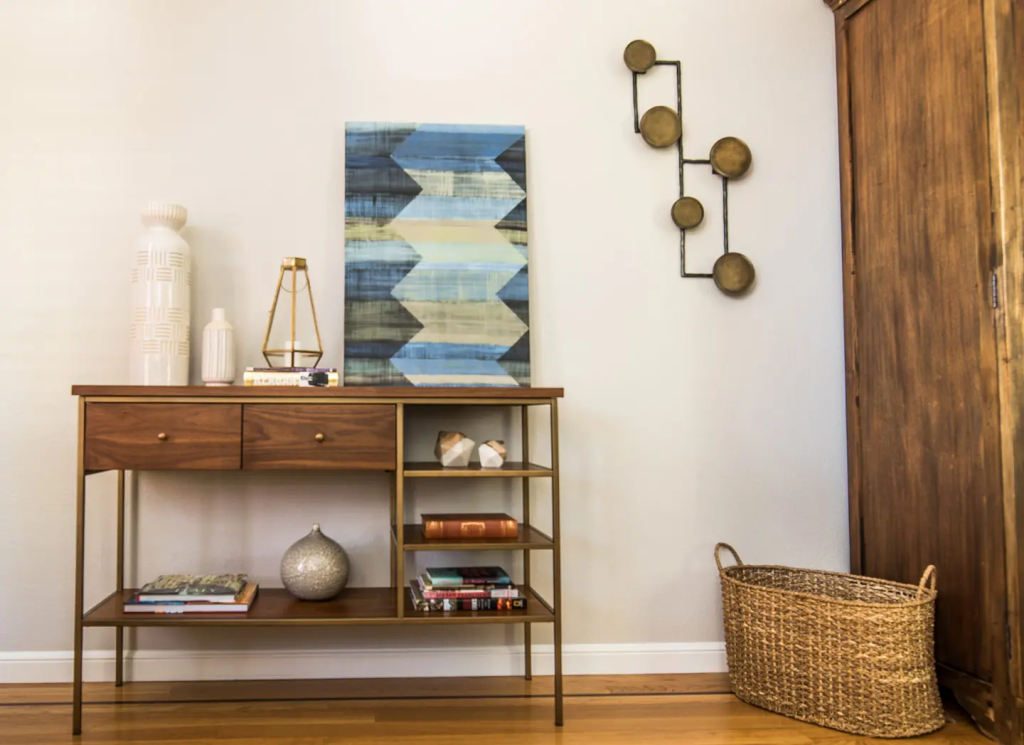
Personalization: The Key to Meaningful Design
The most memorable interiors are often those that reflect the people who live in them.
Rather than relying solely on current trends, professional designers prioritize personalization.
This process involves understanding:
- Lifestyle habits
- Family routines
- Personal interests
- Design preferences
- Long-term goals
Personalized design creates stronger emotional connections between homeowners and their spaces.
It also tends to result in interiors that remain relevant for many years.
The Growing Importance of Wellness in Interior Design
Wellness has become an increasingly influential factor in residential design.
Homeowners are paying closer attention to how their environments affect comfort, productivity, and emotional well-being.
Design elements that support wellness often include:
Natural Light
Well-lit spaces feel brighter, more welcoming, and more energizing.
Comfortable Layouts
Thoughtful organization reduces stress and improves usability.
Calming Materials
Natural textures and finishes contribute to relaxation.
Functional Living Areas
Well-designed spaces support daily activities more effectively.
Wellness-focused design helps create homes that feel restorative and supportive.
The Power of Lighting in Residential Interiors
Lighting is one of the most important yet frequently underestimated aspects of interior design.
A comprehensive lighting plan typically includes multiple layers.
Ambient Lighting
Provides overall illumination throughout the space.
Task Lighting
Supports activities such as reading, cooking, or working.
Accent Lighting
Highlights artwork, architectural features, and decorative details.
Proper lighting influences mood, functionality, and visual perception.
It can dramatically transform how a room looks and feels throughout the day.
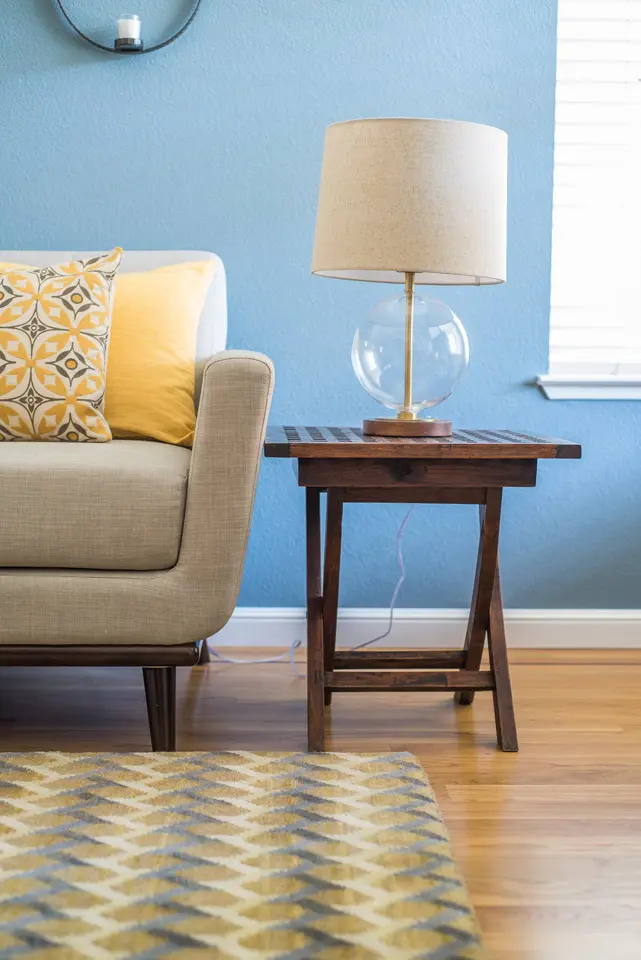
Material Selection and Long-Term Value
The materials used throughout a home significantly affect both appearance and performance.
Professional designers carefully evaluate materials based on:
Durability
Materials should withstand everyday use.
Maintenance Requirements
Practical considerations contribute to long-term satisfaction.
Visual Appeal
Finishes should align with the overall design vision.
Sustainability
Many homeowners prioritize environmentally responsible choices.
Thoughtful material selection helps create interiors that remain beautiful and functional for years.
Why Homeowners Benefit From Professional Design Guidance
Managing a design project independently can be overwhelming.
Homeowners are often faced with hundreds of decisions related to layouts, finishes, furnishings, lighting, and accessories.
Professional designers help simplify this process by:
- Providing expert recommendations
- Coordinating design elements
- Clarifying project goals
- Managing design consistency
- Avoiding costly mistakes
This guidance helps create smoother project experiences and stronger final results.
Designing for Timeless Appeal
One of the primary goals of professional design is creating interiors that remain relevant beyond short-term trends.
Timeless design typically emphasizes:
- Quality craftsmanship
- Balanced proportions
- Functional layouts
- Enduring materials
- Personalized details
Rather than constantly updating interiors to follow changing styles, homeowners can enjoy spaces that continue to feel elegant and comfortable over time.
This approach often delivers greater long-term value.
Conclusion
Working with an experienced interior designer Palo Alto CA offers homeowners the opportunity to create spaces that combine elegance, comfort, and functionality. Professional design extends far beyond aesthetics by improving how homes support daily living, accommodate changing needs, and reflect individual lifestyles. A skilled bay area interior designer brings expertise in space planning, material selection, lighting design, and personalized solutions that contribute to cohesive and meaningful interiors. As expectations for residential living continue to evolve, thoughtful design remains one of the most valuable investments homeowners can make. Kanika Design helps create refined residential spaces that balance timeless style with practical living, delivering interiors that are both beautiful and highly functional.