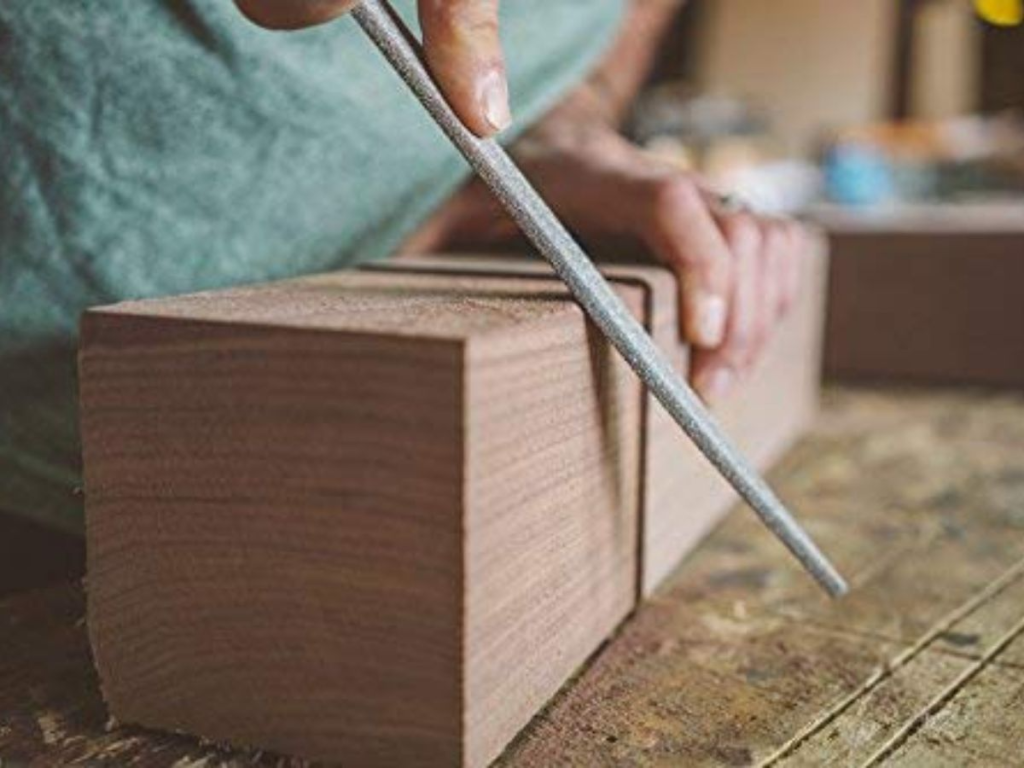
Woodworking relies on a balance of skill, precision, and the right tools to achieve smooth finishes and detailed designs. Among these essential tools, a fine rasp plays a unique role in shaping wood surfaces where sandpaper or planes may not suffice. Known for its sharp teeth and ability to refine contours, this tool has long been valued by both beginners and master craftsmen. Understanding what a fine rasp is and how it functions can elevate woodworking projects from rough ideas to polished results.
Understanding the Fine Rasp
A fine rasp is a woodworking tool equipped with small, sharp teeth that scrape away thin layers of wood with each stroke. Unlike coarse rasps, which remove large amounts of material quickly, the fine rasp is designed for precision work. Its teeth are closely spaced, allowing for smoother finishes and more detailed shaping. Craftsmen often rely on this tool when refining edges, carving curves, or smoothing joints, where accuracy is crucial.
Construction and Types
Fine rasps are typically made of hardened steel, with teeth cut into the surface through either machine processes or hand craftsmanship. A hand-stitched rasp, for example, is carefully made by artisans who individually punch the teeth into the metal. This method ensures an irregular tooth pattern that reduces clogging and produces cleaner results compared to machine-cut rasps. While hand-stitched rasps are considered premium due to their quality and longevity, machine-cut options are widely available for everyday use.
How Woodworkers Use a Fine Rasp
The fine rasp excels at tasks that require careful control over material removal. Its use spans various woodworking applications, from shaping furniture parts to detailing custom projects.
Shaping and Refining Surfaces
One of the most common uses of the fine rasp is shaping curved or uneven surfaces. Whether working on a chair leg, a guitar neck, or a decorative molding, woodworkers rely on the tool’s precision to bring out smooth transitions that sandpaper cannot easily achieve. The fine rasp’s scraping motion makes it particularly useful for areas where splintering or overcutting is a risk.
Detailing and Custom Work
Beyond shaping, the fine rasp plays a critical role in customization. Craftsmen often pair the tool with a hand rasp tool set that includes different shapes, such as flat, half-round, and round rasps. These variations enable intricate detailing, such as hollowing, chamfering, or incorporating subtle curves. For example, luthiers (makers of stringed instruments) frequently use fine rasps to refine delicate contours that contribute to both the aesthetics and acoustics.
Best Practices for Using a Fine Rasp
To maximize the efficiency and lifespan of a fine rasp, woodworkers follow specific techniques and care guidelines.
Proper Technique
Using a fine rasp involves controlled, even strokes along the wood grain whenever possible. Pushing the tool in a steady motion helps avoid gouging, while applying lighter pressure ensures smoother results. Additionally, alternating directions can prevent uneven removal and maintain a balanced work surface.
Maintenance and Care
Maintaining a fine rasp is just as important as using it correctly. Dust and wood particles can quickly fill the teeth, diminishing performance. Regular cleaning with a stiff brush or specialized file card keeps the rasp sharp and effective. Storing it in a protective sleeve or hanging it properly prevents damage to the teeth, extending its working life.
Advantages of a Fine Rasp in Woodworking
The fine rasp stands out among shaping tools for its balance of control and versatility. Unlike planes or chisels, which remove larger amounts of material, the fine rasp offers subtle refinement without sacrificing speed. It is also safer for beginners, as the tool’s design minimizes the risk of cutting too deeply. Moreover, its ability to work on hard and softwoods alike makes it a versatile addition to any workshop.
Conclusion
The fine rasp is a timeless woodworking tool that continues to prove its value in both traditional and modern workshops. From shaping curves to refining delicate details, it provides woodworkers with unmatched precision and control. While machine-made versions are accessible to hobbyists, premium hand-stitched options highlight the artistry that goes into both the tool and the craft itself. And in an age where innovation often leans toward technology, even those who rely on power carving tools for wood acknowledge the irreplaceable role of a fine rasp in achieving handcrafted quality.