Vein health is crucial for maintaining overall circulation and preventing complications such as pain, swelling, and skin changes. Many people search for “vein treatment near me” when they notice symptoms like varicose veins or spider veins. But what is a vein doctor called, and how can they help you choose the most effective treatments? At Vein Treatment Long Island, experts provide comprehensive solutions to restore your vascular health safely and efficiently.
What Is a Vein Doctor Called?
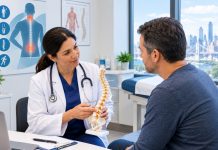
Before exploring treatment options, it’s important to know who treats vein issues. A vein doctor is called a phlebologist. These specialists focus on diagnosing and treating vein conditions, including varicose veins, spider veins, deep vein thrombosis, and venous insufficiency.
Phlebologists combine advanced diagnostic techniques with minimally invasive treatments to improve circulation and relieve discomfort. Many patients ask, “what is a vein doctor called?” because understanding the right specialist ensures they receive targeted and effective care. At Vein Treatment Long Island, certified phlebologists assess each patient’s unique vascular condition to recommend tailored treatment plans.
How Do Vein Specialists Diagnose Vein Conditions?
Diagnosis is the first step toward effective treatment. A vein doctor begins with a thorough physical examination and reviews your medical history. They look for visible signs of varicose veins, swelling, skin discoloration, and pain patterns.
Advanced diagnostic tools include Doppler ultrasound, which evaluates blood flow and identifies vein reflux or blockages. This non-invasive test helps the specialist determine which veins require treatment and what method will be most effective. For patients searching “vein treatment near me,” choosing a clinic with proper diagnostic capabilities ensures safer and more precise interventions.
What Are the Most Common Non-Surgical Vein Treatments?
Many patients prefer non-surgical treatments to avoid downtime, reduce risk, and achieve cosmetic improvements. Some of the most effective non-surgical options include:
- Sclerotherapy
Sclerotherapy is a minimally invasive procedure where a solution is injected directly into the affected vein, causing it to collapse and gradually fade. It is particularly effective for spider veins and smaller varicose veins.
- Benefits: Outpatient procedure, quick recovery, excellent cosmetic results.
- Considerations: Multiple sessions may be needed for larger areas.
- Laser Therapy
Laser therapy uses focused light to seal damaged veins. This treatment is ideal for smaller veins close to the skin surface and can be performed in-office.
- Benefits: Non-invasive, minimal discomfort, no scarring.
- Considerations: Multiple sessions may be required for complete results.
- Radiofrequency Ablation
Radiofrequency ablation involves inserting a thin catheter into the vein, then using heat to close it off. Blood is naturally rerouted to healthier veins, improving circulation.
- Benefits: Minimally invasive, highly effective for larger varicose veins, quick recovery.
- Considerations: Slight bruising or tenderness may occur post-procedure.
- Compression Therapy
Compression stockings help support vein walls and improve blood flow. While not a standalone treatment for severe varicose veins, they are effective for managing symptoms like swelling and fatigue.
- Benefits: Non-invasive, reduces discomfort, prevents worsening of vein issues.
- Considerations: Must be worn consistently for optimal results.
When Is Surgical Vein Treatment Necessary?
While non-surgical methods work for most patients, some may require surgical intervention. Surgical options include:
- Vein Stripping
Vein stripping involves removing large varicose veins through small incisions. This procedure is less common today due to minimally invasive alternatives but remains an option for extensive vein disease.
- Benefits: Highly effective for severe varicose veins.
- Considerations: Longer recovery time compared to modern techniques.
- Ambulatory Phlebectomy
Ambulatory phlebectomy is a minor surgical procedure where small incisions are used to remove superficial varicose veins. It is often combined with other treatments for comprehensive results.
- Benefits: Outpatient procedure, immediate cosmetic improvement.
- Considerations: May cause temporary bruising or swelling.
How to Choose the Right Vein Treatment for You
Selecting the best vein treatment depends on several factors:
- Severity of Vein Condition: Larger varicose veins may require ablation or surgical intervention, while spider veins respond well to sclerotherapy or laser therapy.
- Symptoms: Pain, swelling, and skin changes may indicate the need for more advanced treatment.
- Lifestyle and Recovery: Minimally invasive treatments allow faster return to daily activities.
- Clinic Expertise: Searching “vein treatment near me” should lead you to a clinic with board-certified phlebologists and advanced diagnostic tools.
At Vein Treatment Long Island, each patient receives a personalized evaluation to determine the most effective and safe treatment plan. The clinic’s approach focuses on both health improvement and aesthetic enhancement, ensuring patients regain confidence in their legs.
How to Prevent Vein Problems from Worsening
Even after treatment, maintaining vein health is essential. Simple lifestyle changes can prevent recurrence:
- Exercise regularly: Walking or low-impact activities improve blood flow.
- Maintain a healthy weight: Reduces pressure on veins.
- Avoid prolonged standing or sitting: Move around frequently to prevent blood pooling.
- Wear compression stockings: Especially during long periods of travel or work.
- Elevate legs: Helps circulation after long periods of sitting or standing.
By following these practices, patients can enhance the long-term effectiveness of vein treatments.
Why Choose a Specialized Vein Clinic?
A dedicated vein clinic offers several advantages over general healthcare providers:
- Expertise in phlebology: Specialized training ensures accurate diagnosis and effective treatment.
- Minimally invasive options: Focus on techniques that minimize recovery time and discomfort.
- Comprehensive care: Includes evaluation, treatment, and preventive guidance.
- Advanced technology: Doppler ultrasound, laser therapy, and radiofrequency ablation ensure precise and safe outcomes.
Searching “vein treatment near me” is just the first step. Choosing a clinic with proven experience and personalized care, like Vein Treatment Long Island, ensures patients receive optimal results.
Conclusion: Effective Vein Treatments Are Accessible
Vein issues, if left untreated, can lead to pain, swelling, and serious complications. Fortunately, modern medicine offers a wide range of effective treatments, from minimally invasive techniques like sclerotherapy, laser therapy, and radiofrequency ablation to surgical interventions like ambulatory phlebectomy.
Understanding what is a vein doctor called helps patients connect with the right specialist—typically a phlebologist—who can accurately diagnose the condition and recommend a tailored treatment plan. By choosing an experienced clinic and following preventive practices, you can achieve lasting vein health and improved quality of life.
If you are searching for “vein treatment near me,” consider consulting a specialized clinic to explore the best treatment options for your unique needs. Clinics like Vein Treatment Long Island combine expertise, technology, and personalized care to ensure optimal outcomes for all patients.