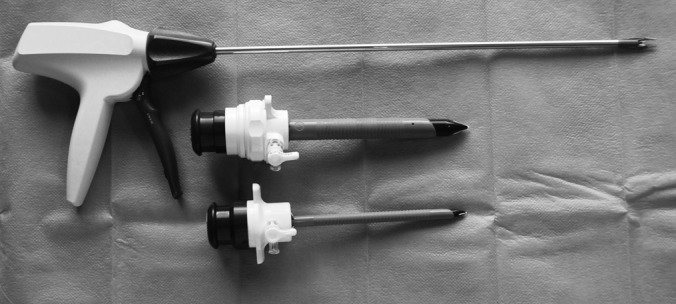
Laparoscopic cholecystectomy is a minimally invasive procedure that uses specialized tools to remove the gallbladder through small abdominal openings. Choosing suitable laparoscopic cholecystectomy instruments helps surgical teams prepare equipment for access, tissue handling, dissection, cutting, clipping, suction, and other procedural tasks. Each instrument serves a distinct purpose, making informed selection important for an organized surgical setup. Using the right combination can make preparation more systematic. Understanding basic functions helps teams review sets with greater clarity and identify missing or unnecessary components before procurement.
Building an Effective Instrument Selection
A laparoscopic procedure depends on coordinated use of access, manipulation, dissection, cutting, and closure tools. The exact combination may vary according to the surgical technique, procedural requirements, and preferences of the operating team. For procurement teams, it is useful to assess whether the selected instruments cover essential functions without unnecessary duplication.
Selection should also reflect the environment where the tools will be used. Hospitals may maintain standardized sets, while distributors may require flexible configurations. Reviewing dimensions, jaw patterns, shaft lengths, handle styles, material, and accessories can make comparisons easier. A coordinated selection can help staff prepare instruments consistently and maintain an organized inventory for repeated procedures. It can also simplify discussions between clinical users and procurement teams because each instrument can be assessed according to its intended role.
Core Instruments and Their Roles
Different instruments contribute to specific stages of gallbladder surgery. Understanding these roles helps procurement teams distinguish between tools that may look similar but have different functions. The required combination can include access instruments, graspers, dissectors, scissors, clip applicators, and suction-irrigation equipment, depending on the planned procedure and configuration. A clear understanding of these categories also helps teams determine whether a set provides the necessary range of functions for the intended application. This approach can support practical inventory planning for each procedure.
When evaluating laparoscopic surgical instruments, buyers can consider intended application, construction, handling, sterilization compatibility, and the required instrument combination. Medical-grade stainless steel, suitable surface finishing, precise alignment, and appropriate mechanical action are useful considerations when comparing reusable surgical tools and planning a complete set.
-
Trocars and Cannulas
Trocars and cannulas provide access through the abdominal wall and create channels through which compatible laparoscopic instruments can be introduced. Their size, construction, sealing components, and compatibility with other equipment should be considered when selecting access instruments.
-
Maryland Dissectors
A Maryland dissector supports controlled tissue handling and fine dissection. Its curved jaw profile can assist with precise manipulation in confined operative spaces. Selecting an appropriate jaw design and shaft configuration can help match the instrument to the intended surgical application.
-
Graspers
Graspers are used to hold, position, and manipulate tissue during laparoscopic procedures. Different jaw patterns can provide different levels of control. Atraumatic and fenestrated designs may be selected according to the tissue-handling requirements of the procedure.
-
Clip Applicators
Clip applicators are designed to place surgical clips when closure of relevant structures is required. In laparoscopic cholecystectomy, they form an important part of the instrument selection because controlled application is needed for the intended procedural task.
-
Laparoscopic Scissors
Laparoscopic scissors provide a cutting function through a shaft that allows access to the operative area through a port. Straight and curved options can offer different handling characteristics, allowing surgical teams to select an instrument according to their procedural technique and preferences.
Factors to Evaluate Before Selection
Selecting surgical tools involves more than identifying individual instrument names. Hospitals and procurement teams can review product specifications, intended applications, construction, handling, maintenance requirements, and compatibility before purchasing or assembling a set. A clear evaluation process can help ensure that the chosen instruments match actual procedural needs.
Key points to review include:
- Instrument material and corrosion resistance
- Jaw design, alignment, and intended function
- Shaft length and handle configuration
- Compatibility with required surgical equipment
- Reusability and sterilization compatibility
- Quality inspection and certification information
These considerations can provide a practical framework for comparing products. They can also help procurement teams build an inventory that corresponds with procedural requirements, handling preferences, and established reprocessing capabilities.
Supporting Sterilization and Long-Term Use
Reusable laparoscopic tools require appropriate cleaning, inspection, and sterilization between procedures. Instrument construction should therefore be assessed alongside the facility’s established reprocessing protocols. Corrosion-resistant stainless steel, smooth surfaces, proper alignment, and suitable construction can support routine maintenance when instruments are handled according to approved procedures.
Maintenance also matters when evaluating tools with moving jaws, insulated shafts, valves, or fine tips. Careful cleaning, inspection, and storage can help protect delicate components. Facilities should follow established protocols and manufacturer instructions for cleaning and sterilization. Regular checks can help identify changes in alignment, surface condition, insulation, or mechanical action before continued use. Proper storage is equally important because instruments with fine tips, moving components, or insulated sections may require careful handling. Following documented maintenance practices helps preserve the condition of reusable instruments during use.
Creating a Complete Procedural Set
A complete set should bring together instruments that address the main requirements of the procedure rather than simply containing a large number of tools. For laparoscopic cholecystectomy, a configuration may include access instruments, graspers, a Maryland dissector, scissors, a clip applicator, suction and irrigation equipment, and appropriate electrosurgical instruments. Needle holders can also be included where required.
The final configuration can depend on the hospital, specialty, procurement specifications, and intended use. Customized arrangements may be useful for organizations that need a defined instrument list instead of a standard assortment. Reviewing the purpose of each component before finalizing a set can make procurement more focused and support better inventory organization.
Conclusion
Understanding the role of each tool can make laparoscopic instrument selection more organized. Trocars support access, graspers assist with tissue handling, Maryland dissectors support controlled dissection, clip applicators assist with closure tasks, and scissors provide cutting. Suction-irrigation systems and other specialized instruments can complement the setup according to procedural requirements. Material quality, sterilization compatibility, construction, and inspection should remain part of the selection process.
For hospitals and procurement teams seeking dependable laparoscopic surgical instruments, Salwan Surgicare offers a range of laparoscopic tools and sets, including products used for cholecystectomy. Its product range, customization options, medical-grade stainless-steel construction, quality checks, and export support provide buyers with options to review according to their stated surgical requirements.