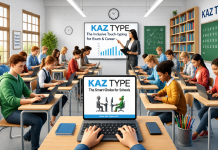
For individuals with dyslexia, traditional methods of learning spelling and keyboard skills can often present unique challenges. A specialized approach to touch typing for dyslexia can make a significant difference by providing structured, supportive learning that works with the learner’s strengths rather than against them. KAZ’s SEND/Dyslexia software has been specifically designed to help learners develop typing skills, improve spelling retention, and build confidence in a positive learning environment.
The KAZ solution for touch typing for dyslexia was developed in collaboration with the Dyslexia Research Trust, ensuring that the program addresses the specific needs of dyslexic learners. Using an Accelerated Learning approach, the software incorporates a proven “brain balance” teaching method that helps learners absorb information more effectively while reducing frustration often associated with conventional learning techniques.
One of the most valuable features of this touch typing for dyslexia program is its customisable preference screen. Many learners with dyslexia experience visual disturbances that can make reading and typing more difficult. The software allows users to personalize display settings to create a more comfortable learning experience, helping them maintain focus and reduce visual stress during practice sessions.
Another major benefit is that the program does not overload working memory. Traditional learning methods often require learners to process multiple pieces of information simultaneously, which can be challenging. KAZ’s structured approach breaks learning into manageable steps, allowing users to concentrate on developing typing skills without becoming overwhelmed.
The Family Edition of the software offers additional flexibility by allowing users to upload problematic words or spelling lists. This feature makes touch typing for dyslexia particularly effective for reinforcing literacy skills. Through repeated typing practice, learners develop muscle memory that helps ingrain correct spelling patterns and improve word recall over time.
A key component of successful touch typing for dyslexia is the development of muscle memory. As learners repeatedly type specific words and letter patterns, their fingers begin to remember movements automatically. This process not only improves typing speed and accuracy but also strengthens spelling retention, creating lasting educational benefits.
Beyond academic improvement, the program helps build confidence and self-esteem. Many dyslexic learners struggle with frustration and self-doubt when traditional learning methods fail to meet their needs. By providing a supportive, achievement-focused environment, KAZ enables learners to experience success, boosting motivation and encouraging continued progress.
Effective touch typing for dyslexia is about more than learning to use a keyboard. It is about empowering learners with practical skills, improving literacy, and creating positive learning experiences. With its research-backed design, customizable features, and learner-focused approach, KAZ provides a powerful solution for individuals seeking greater confidence and success in both education and everyday digital communication.