A thoughtfully designed garden is more than a collection of plants; it is a space where nature, beauty, and personal enjoyment come together. Trees can transform outdoor areas by adding height, greenery, and seasonal interest while creating a more inviting atmosphere.
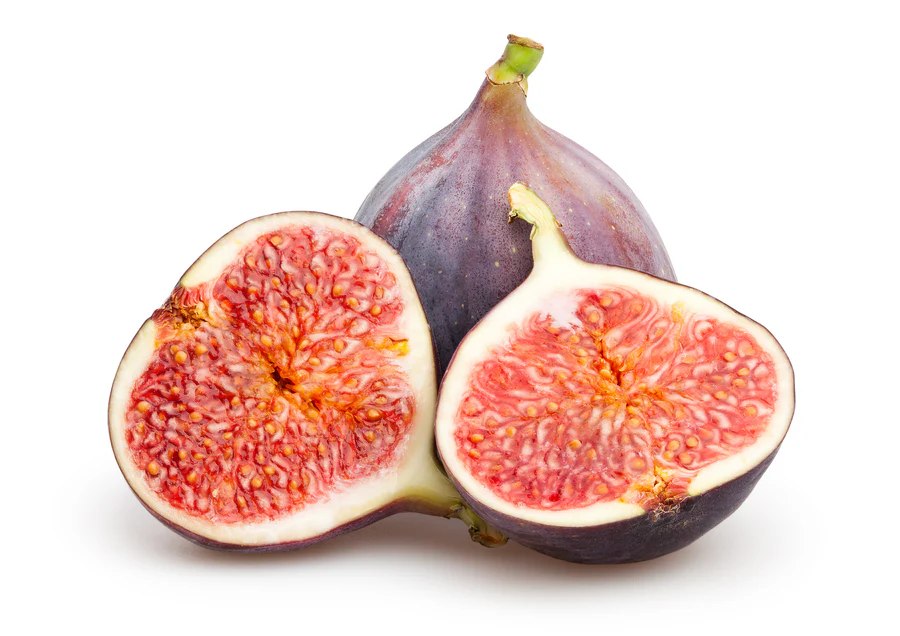
A fig tree is a wonderful addition for gardeners who appreciate unique foliage, attractive growth habits, and the pleasure of harvesting fresh produce from their own space. Known for its distinctive leaves and sweet fruit, this tree offers both decorative value and practical benefits, making it a rewarding choice for a variety of landscapes.
Why a Fig Tree Makes a Standout Garden Feature
Unlike many ordinary garden plants, a fig tree brings character and charm through every stage of growth. Its large leaves create a tropical appearance, while its fruit production adds an exciting seasonal element.
Some reasons gardeners choose fig trees include:
- Attractive foliage and natural structure
- Delicious seasonal harvests
- Low-maintenance growth once established
- Long-term landscape value
- A unique visual presence
Whether planted as a focal point or included within a productive garden design, a fig tree can enhance the overall appearance of an outdoor space.
The Beauty of Growing Your Own Figs
Growing fruit at home provides a rewarding experience that connects gardeners with nature. Watching a young tree develop, produce leaves, and eventually provide fresh figs creates a sense of achievement.
A homegrown fig harvest can offer:
- Freshly picked fruit
- A more sustainable gardening approach
- Greater enjoyment of seasonal produce
- A closer connection to the growing process
For many gardeners, planting a productive tree is an investment that continues to provide benefits year after year.
Selecting the Ideal Fig Tree for Your Garden
Choosing the right variety is an important step in creating a successful planting environment. Different fig varieties may vary in size, growth habits, and fruiting characteristics.
Before selecting a fig tree, consider:
Garden Space
Some fig trees can grow extensively, while compact varieties may be more suitable for smaller gardens or controlled spaces.
Growing Conditions
A suitable location with sufficient sunlight and well-drained soil helps encourage healthier growth and stronger development.
Garden Goals
Think about whether your priority is:
- Producing fresh fruit
- Creating a decorative feature
- Adding greenery
- Building a home orchard
Understanding your objectives will help you make the right planting decision.
How to Plant a Fig Tree Successfully
A strong start can make a significant difference in the future growth of your tree.
Important planting considerations include:
- Choosing a sunny location
- Preparing suitable soil
- Allowing enough room for growth
- Providing consistent care during early development
Proper planting helps establish stronger roots and encourages healthier long-term performance.
Caring for Your Fig Tree Throughout the Seasons
Regular maintenance supports continued growth and productivity.
Watering Requirements
Young trees need consistent moisture while establishing roots. Mature trees benefit from balanced watering, especially during warmer periods.
Pruning and Shape Management
Pruning helps maintain a manageable shape, improve airflow, and encourage productive growth. Removing damaged or overcrowded branches can support overall tree health.
Soil and Nutrient Support
Healthy soil conditions help provide the nutrients needed for strong foliage and fruit development.
Adding a Productive Touch to Your Landscape
A garden can become more functional when it includes plants that offer both beauty and practical rewards. A fig tree can complement decorative plants, flowers, and other garden features while creating a natural focal point.
It works well in:
- Backyard gardens
- Courtyard landscapes
- Mixed planting areas
- Small orchard designs
Its distinctive appearance allows it to stand out while blending naturally with other greenery.
The Long-Term Benefits of Growing Fig Trees
Planting trees is a long-term investment in your outdoor environment. A well-maintained fig tree can continue growing and contributing to the landscape for many years.
Key benefits include:
Improved Garden Aesthetics
The tree’s unique leaves and structure add texture and visual interest.
Seasonal Enjoyment
From new growth to fruit production, every season brings something different.
Environmental Contribution
Trees support healthier garden ecosystems by creating habitats and contributing to biodiversity.
Finding the Right Plants for Your Garden
Choosing healthy plants from reliable sources helps improve the chances of successful growth. Strong young trees provide a better foundation and allow gardeners to enjoy their landscape improvements sooner.
Conclusion
A fig tree is an excellent fruit tree option for gardeners who want to combine natural beauty with the enjoyment of fresh seasonal harvests. Its attractive foliage, rewarding growth, and timeless appeal make it a valuable addition to outdoor spaces. With thoughtful planting and regular care, a fig tree can become a lasting feature that enhances your garden and provides years of enjoyment.