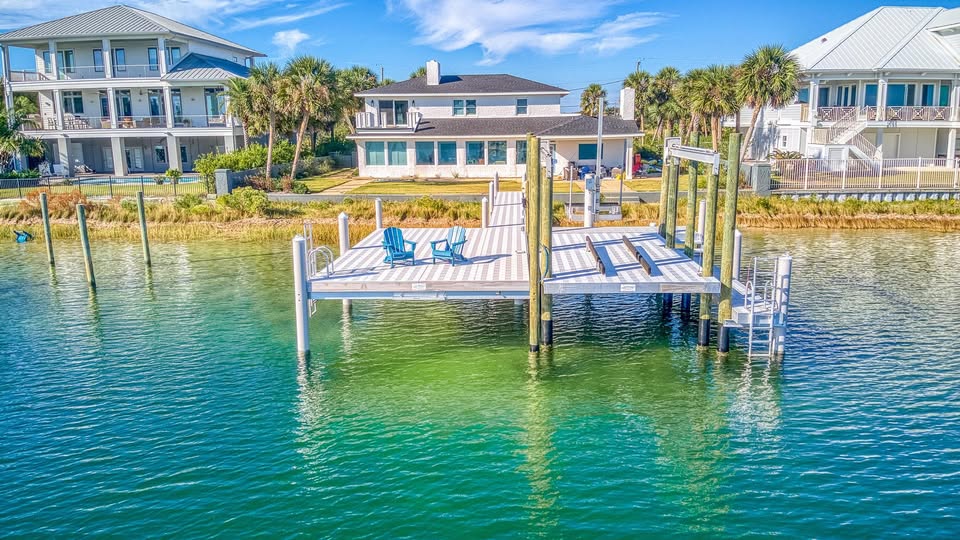
Marina construction is a specialized field requiring a deep understanding of marine engineering, environmental considerations, and the unique needs of boaters. Whether constructing a small local marina or a large commercial hub, the goal is to design facilities that cater to both recreational and commercial vessels while ensuring long-term durability and minimal environmental impact. In this guide, we will explore the key aspects of marina construction, from planning to implementation.
1. Initial Planning and Design
The first step in marina construction is careful planning and design. This involves selecting a location, understanding the specific needs of users, and taking environmental concerns into account. Key considerations include:
- Location and Accessibility: A marina’s success largely depends on its proximity to popular boating destinations, ease of access to major waterways, and nearness to other amenities, such as restaurants and fuel stations.
- Water Depth: Ensuring that the water depth is sufficient to accommodate various types of vessels is critical. Marinas should have deep enough water to handle large yachts and deeper-draft boats, while also being mindful of tides and seasonal water fluctuations.
- Wind and Wave Protection: The site needs to be sheltered from high winds and strong waves. Breakwaters or jetties are often constructed to provide protection from natural forces, preventing excessive movement or damage to boats.
2. Environmental and Regulatory Considerations
Environmental factors play a crucial role in marina construction. A well-designed marina should harmonize with the surrounding ecosystem and avoid causing harm to marine habitats. Essential environmental considerations include:
- Dredging and Sediment Management: Dredging may be necessary to ensure sufficient water depth, but this process can disturb aquatic ecosystems. Proper sediment management techniques are used to minimize environmental disruption.
- Permitting and Regulations: Marinas are often subject to a range of local, state, and federal regulations. This may include obtaining permits related to environmental protection, water quality management, and construction standards.
- Environmental Sustainability: Many marina projects incorporate eco-friendly technologies, such as green roofs, solar-powered amenities, and rainwater recycling, to minimize their environmental footprint.
3. Materials and Structural Considerations
The materials used in marina construction must withstand harsh marine environments, including saltwater corrosion, high winds, and varying temperatures. Common materials used in marina construction include:
- Floating Docks: These docks are made from high-density polyethylene or reinforced concrete pontoons. They offer flexibility and adapt to changing water levels, making them suitable for a variety of environments.
- Fixed Piers: Built from wood, steel, or concrete, fixed piers provide a more stable option, typically in areas where the water depth remains consistent. They are commonly used in commercial marinas that need to support heavy-duty operations.
- Breakwaters: Constructed from rock, concrete, or sheet piles, breakwaters are essential to protecting marinas from wave action. They can be floating or fixed structures, depending on the site’s specific needs.
4. Utility Infrastructure and Amenities
A modern marina must offer essential utilities and amenities to attract boaters. These include:
- Electrical and Water Systems: Boats need access to freshwater and electricity, and marinas must be equipped with dockside connections that can accommodate various vessel sizes.
- Sewage and Waste Management: Proper waste disposal and pump-out stations are essential to maintaining water quality and protecting the marine environment. Some marinas offer eco-friendly services like wastewater treatment.
- Boat Lifts and Launch Systems: Marinas should be equipped with boat lifts, cranes, or launch ramps to facilitate the storage, launching, and retrieval of vessels.
5. Marina Security and Safety
Safety is a top priority in marina design. Measures should be taken to ensure the security of boats and the well-being of users:
- Lighting and Surveillance: Adequate lighting and CCTV systems are crucial for nighttime visibility and security. Many marinas also employ security personnel to patrol the area.
- Emergency Response Systems: Marinas should have emergency plans in place, including access to fire-fighting equipment, first-aid stations, and rescue boats. Clearly marked evacuation routes and designated assembly points are also important for safety.
6. Long-Term Maintenance and Expansion
Once a marina is built, ongoing maintenance is critical to preserving its functionality and safety. Routine inspections of docks, moorings, and other structures help prevent deterioration caused by weather, tides, and boat traffic. A well-maintained marina not only ensures safety but also reduces costly repairs and extends the lifespan of the facility.
- Expansion Considerations: As boating becomes more popular, many marinas find themselves needing to expand. When planning for future growth, marina operators should ensure the flexibility of the design, allowing for the addition of more slips, improved infrastructure, or larger breakwaters.
Conclusion
Marina construction is a complex process that requires a careful balance of engineering expertise, environmental stewardship, and practical design. The success of a marina depends on thorough planning, robust construction techniques, and ongoing maintenance to meet the needs of boaters while safeguarding the surrounding ecosystem. By investing in quality materials, ensuring compliance with regulations, and prioritizing safety, marina operators can build facilities that stand the test of time and continue to support maritime activities for years to come.