Ask most commercial building owners in New York City what the FDNY checks during a standpipe inspection, and you will typically get a vague answer about water pressure and hose connections. That is not wrong, but it leaves out a significant amount of what actually happens during these visits, and what gets cited when something does not pass.
Standpipe compliance in NYC is more detailed than most owners realize until they receive their first violation notice related to a system they assumed was fine. Understanding what an FDNY inspector is actually evaluating, component by component, is the most practical preparation you can do before a scheduled inspection or when inheriting a building with an existing standpipe system.
The First Stop: Fire Department Connections At Street Level
Every FDNY standpipe inspection begins at the fire department Siamese connection, the connection point at street level where firefighters connect their pumper truck hose lines to supplement the building’s water supply. For standpipe compliance in NYC, these connections need to be clearly visible, unobstructed, properly identified with signage indicating the system they serve, and equipped with caps in good condition that protect the threads from debris and damage. A blocked, buried, or unmarked siamese connection is one of the most consistently cited findings across commercial buildings citywide.
Hose Valve Outlets On Every Floor
Working upward through the building, the inspector checks every hose valve outlet at each floor landing. These valves need to be accessible without obstruction, equipped with caps or hose connections in good condition, properly labeled, and operable without excessive force. A hose valve outlet that requires a tool to open, is missing its cap entirely, or has a corroded stem that prevents smooth operation is a citable condition at each individual floor where the problem is found.
Pressure Gauge Readings And What They Indicate
Pressure gauges on standpipe systems are read and compared against the expected operating range for the system configuration. A gauge reading significantly outside the expected range does not automatically mean the system is failing, but it is a flag that warrants investigation. For standpipe compliance in NYC in high-rise buildings, where pressure-reducing valves are used to limit pressure at lower floors while maintaining adequate pressure at upper floors, gauge readings need to be compared against a configuration-specific baseline rather than a generic standard.
The Condition Of Control Valves
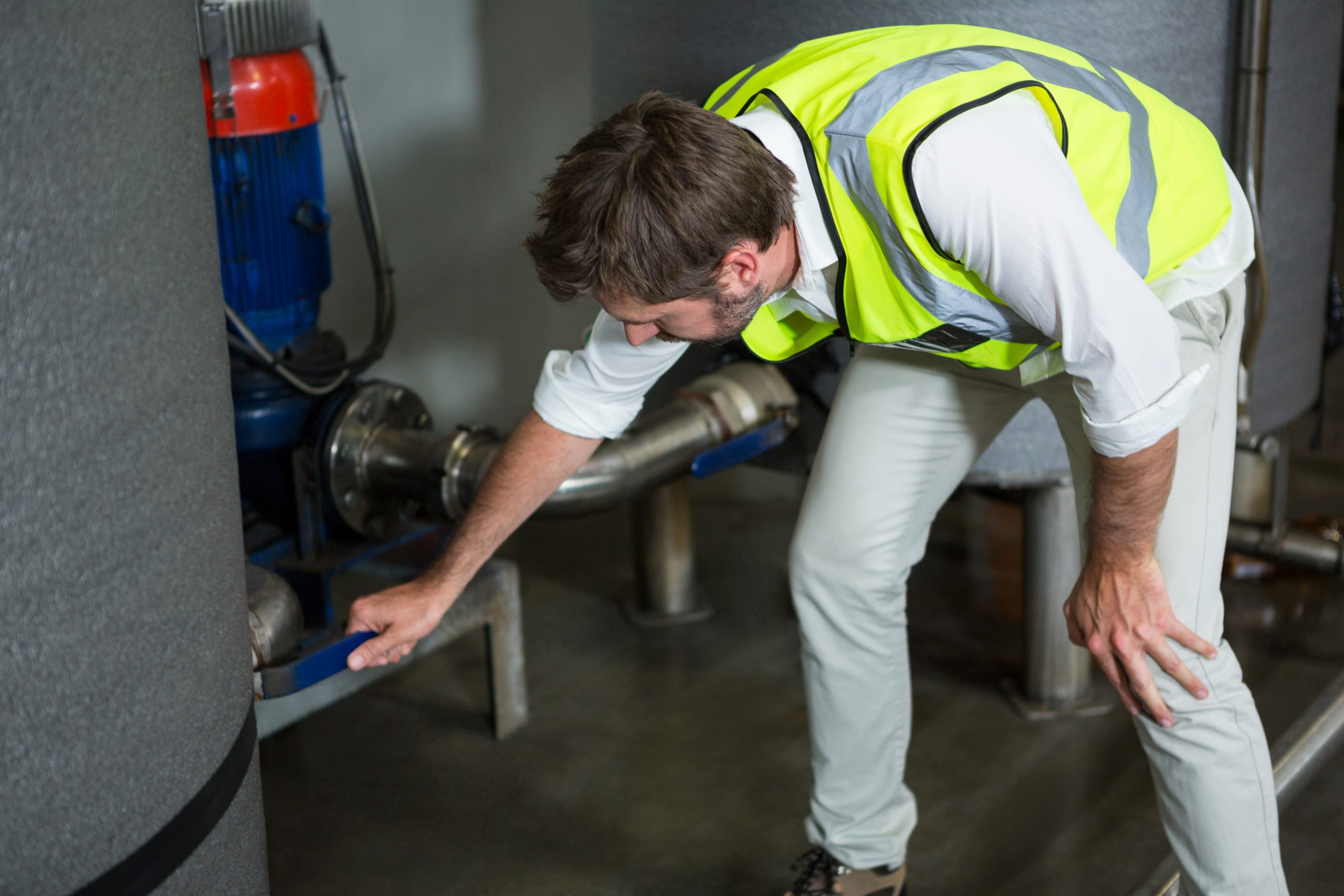
Every control valve in the standpipe system is checked for proper position, accessibility, and operability. Valves need to be fully open during normal building operation, clearly tagged or labeled, and capable of being operated through their full range of motion without requiring excessive force. Valves that have seized, that are in an incorrect position, or that lack proper identification tags are cited individually. In older buildings, valve operability issues are common simply because the valves have not been exercised regularly enough to prevent corrosion-induced stiffness.
The Five-Year Testing Obligation
Beyond what is checked during a routine inspection visit, standpipe systems are subject to a five-year hydrostatic pressure test and a full flow test under NFPA 25 and FDNY requirements. The flow test verifies that the system delivers adequate pressure and volume at the most hydraulically remote hose connection, which is typically the highest floor outlet farthest from the water supply entry point. A system that passes the pressure test but fails the flow test has a supply or configuration issue that the pressure test alone would not have revealed.
How Violations Get Generated Even On Well-Maintained Systems
One of the more frustrating aspects of standpipe compliance for careful building owners is that violations can be generated by documentation gaps rather than system deficiencies. A missing test record for the five-year cycle, a cap that was removed and not replaced during routine work, or a siamese connection that was blocked temporarily by a delivery and never cleared all represent citable conditions that have nothing to do with whether the system itself functions correctly.
Know What Is Being Checked Before They Arrive
Standpipe compliance in NYC is most manageable when you know what the inspector is walking through before they arrive. Inspector Sprinkler performs standpipe inspections and compliance reviews for commercial buildings across all five NYC boroughs.