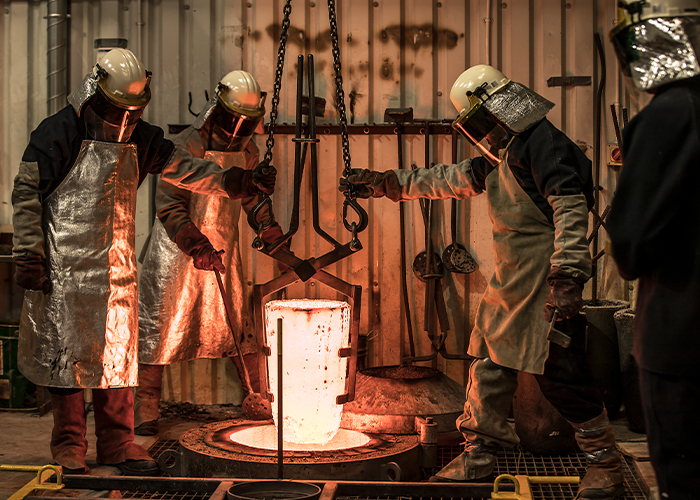
Sponge iron, also known as direct-reduced iron (DRI), is one of the most strategically important intermediate products in India’s steel production ecosystem. As a crucial feedstock for electric arc furnaces and induction furnaces that produce steel for rolling into billets, bars, and structural sections, the quality and consistency of sponge iron directly influences the quality of the finished steel downstream. Understanding the role of the sponge iron plant manufacturer in India and what distinguishes serious sponge iron manufacturers from commodity producers helps steel industry professionals and investors understand where genuine value is created in the steel production chain.
Sree Metaliks Limited is one of India’s established sponge iron manufacturers, operating a 0.3 MTPA sponge iron plant as part of its fully integrated production chain that runs from iron ore mining through pellets, sponge iron, pig iron, billets, and finished TMT bars. The company’s approach to sponge iron production, characterized by advanced technology and strict quality control measures, reflects the understanding that sponge iron quality is inseparable from finished steel quality.
What Is Sponge Iron and Why It Matters
Sponge iron is produced through the direct reduction of iron ore, either in lump or pellet form, using reducing gases or solid carbon without melting the ore. The reducing atmosphere removes the oxygen from iron oxide, leaving behind a metallic iron product with a characteristic porous, sponge-like structure that gives the material its name. This direct reduction approach distinguishes sponge iron production from the blast furnace route, which melts the ore to produce liquid pig iron, providing an alternative pathway to metallic iron that is particularly relevant for India’s coal-rich production environment.
The purity and metallization rate of sponge iron, expressed as the percentage of total iron that has been reduced to metallic form, determines its value as a steelmaking input. High-metallization sponge iron with low gangue content and controlled sulphur and phosphorus levels allows steelmakers to produce high-quality billets and bars with the chemical composition specifications that structural and construction applications demand. Sponge iron manufacturers who invest in quality control at the reduction stage therefore create downstream quality benefits that propagate all the way to the finished construction steel.
Sponge Iron Production Technology in India
India is the world’s largest producer of sponge iron, using predominantly coal-based rotary kiln technology that was developed and refined specifically for India’s abundant coal resources. A quality sponge iron plant manufacturer in India must master the complex thermal management of the rotary kiln process to achieve consistent metallization rates, controlled throughput, and reliable product quality across varying input ore and coal characteristics.
Rotary Kiln Process Management
The rotary kiln at the heart of any coal-based sponge iron plant manufacturer in India facility processes iron ore pellets or lump ore alongside a reducing agent (typically non-coking coal) and a sulphur-absorbing additive (typically limestone or dolomite) in a controlled temperature and atmosphere environment. Managing the kiln temperature profile, the coal injection rate, the burden residence time, and the cooling discharge rate requires continuous process monitoring and responsive process control that distinguishes technically capable sponge iron manufacturers from those who operate with less rigorous process management.
Waste Heat Recovery
One of the most important dimensions of a modern sponge iron plant manufacturer in India’s operational efficiency is its utilization of waste heat from the kiln off-gases. The hot gases exiting the rotary kiln carry substantial thermal energy that, in well-designed facilities, is captured in waste heat recovery boilers to generate steam for power generation. Sree Metaliks Limited’s Rugudi plant complex uses Waste Heat Recovery Boiler and AFBC Boiler technology to harness this energy, feeding a 28 MW Captive Power Plant that significantly reduces the company’s external power dependency and lowers its overall production cost per tonne. This energy efficiency investment is a marker of technically sophisticated sponge iron manufacturers who manage their full operational cost structure rather than focusing only on reduction yield.
Sree Metaliks Limited as a Sponge Iron Manufacturer
Sree Metaliks Limited’s 0.3 MTPA sponge iron production capacity at its plant complexes in Odisha operates as an integral part of the company’s vertically integrated steel production chain. The sponge iron produced is used as a primary metallic input alongside pig iron from the Mini Blast Furnace in the company’s steel melting operations, which produce billets that are subsequently rolled into SM Titan TMT bars.
The company describes its sponge iron as known for unmatched quality and grade consistency, achieved through advanced technology and strict quality control measures. This quality consistency is the practical result of the end-to-end integration that allows Sree Metaliks Limited to control ore quality from its own mines, pellet quality from its 1.68 MTPA pellet plants, and reduction quality from its rotary kilns, creating a traceable production chain where quality deviations can be identified and corrected at their source rather than discovered in the finished product.
The Role of Sponge Iron in India’s Steel Self-Sufficiency
India’s status as the world’s largest sponge iron manufacturers collectively reflect the country’s strategic choice to develop a steel production route adapted to its specific resource endowment. India has abundant coal but limited coking coal for blast furnace use, and abundant iron ore that is suitable for direct reduction processing. The development of coal-based direct reduction technology in India was therefore a rational response to these resource conditions, and the country’s sponge iron plant manufacturer in India industry has played a critical role in enabling the expansion of India’s electric furnace-based steel production that now serves the construction, automotive, and industrial sectors.
Quality Standards for Sponge Iron
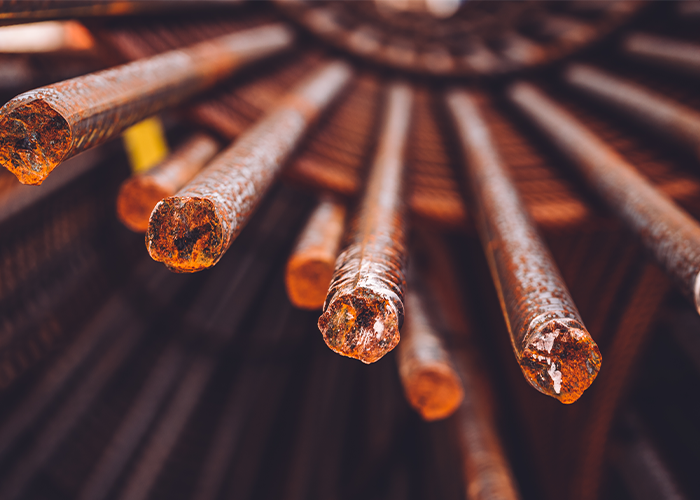
The quality parameters that serious sponge iron manufacturers monitor and report include total iron content, metallization percentage, carbon content, sulphur content, phosphorus content, and fines generation during handling and transport. BIS standards for sponge iron provide the quality specification framework for Indian production, and sponge iron plant manufacturer in India facilities that consistently meet these standards against documented test records provide their downstream steel customers with the quality assurance they need to produce specification-compliant finished products.
Conclusion
The sponge iron plant manufacturer in India segment is a technically demanding industry where consistent quality requires mastery of rotary kiln process management, raw material consistency, waste heat utilization, and systematic quality testing. Sponge iron manufacturers like Sree Metaliks Limited who operate integrated production chains from iron ore mining through sponge iron to finished TMT bars bring the full benefit of vertical integration to their quality assurance, ensuring that every tonne of sponge iron produced feeds a downstream steel process that is equally controlled and equally committed to the consistency that construction-grade steel demands.