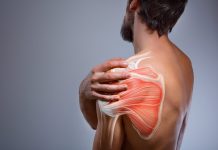
Shoulder pain can interfere with almost every part of daily life, from dressing and reaching overhead to exercising, working at a desk, or sleeping comfortably. Because the shoulder is one of the body’s most mobile joints, discomfort can develop from many different causes, including muscle strain, tendon problems, repetitive movements, sports injuries, joint stiffness, or postural issues.
For people searching for Shoulder Pain Treatment Dubai, modern physiotherapy offers a structured approach focused on identifying the source of the problem, restoring movement, improving strength, and supporting a gradual return to normal activities.
Vitruvian Italian Physiotherapy Center in Dubai provides physiotherapy and rehabilitation services that include manual therapy, exercise therapy, therapeutic modalities, postural rehabilitation, sports rehabilitation, and individualized treatment programs. These approaches can be incorporated according to a patient’s assessment and rehabilitation goals.
Understanding Shoulder Pain
The shoulder is a complex region involving several joints, muscles, tendons, ligaments, and surrounding tissues. This structure allows a wide range of movement but also means that shoulder problems can affect different parts of the area.
Shoulder discomfort may appear as:
- Aching or soreness
- Stiffness
- Reduced range of motion
- Pain while lifting the arm
- Discomfort during exercise
- Weakness
- Pain when reaching behind the back
- Difficulty performing overhead movements
- Discomfort during sleep
The location and pattern of symptoms can provide useful information, but a professional assessment is generally needed to determine the most appropriate rehabilitation strategy.
Common Causes of Shoulder Pain
Shoulder pain can develop gradually or occur suddenly following an injury. Common contributors include repetitive activities, poor movement mechanics, sports participation, muscular weakness, and changes affecting the shoulder joint or surrounding soft tissues.
Some common conditions associated with shoulder symptoms include:
- Rotator cuff problems
- Shoulder impingement-related symptoms
- Tendinopathy
- Frozen shoulder
- Shoulder instability
- Muscle strains
- Joint stiffness
- Sports-related injuries
- Post-surgical conditions
- Postural and movement-related problems
Understanding the underlying cause is important because treatment should be tailored to the individual’s condition rather than relying on a single technique for every patient.
Why Professional Assessment Matters
A shoulder problem can involve more than the shoulder itself. Movement of the neck, upper back, shoulder blade, and arm can influence how the shoulder functions.
During a physiotherapy assessment, a practitioner may examine:
- Shoulder range of motion
- Muscle strength
- Joint movement
- Shoulder blade mechanics
- Posture
- Functional movements
- Pain patterns
- Flexibility
- Activity-related limitations
The physiotherapist can then develop an individualized rehabilitation program based on the assessment.
This personalized approach is particularly important for people looking for Shoulder Pain Treatment Dubai, because the appropriate treatment for an athlete may differ significantly from the program needed by an office worker or someone recovering from surgery.
Modern Physiotherapy for Shoulder Pain
Modern physiotherapy combines assessment, active rehabilitation, manual techniques, education, and selected therapeutic modalities.
The purpose is to address the factors contributing to the individual’s symptoms while progressively restoring physical function.
A shoulder rehabilitation program may include:
- Therapeutic exercises
- Strengthening
- Mobility exercises
- Manual therapy
- Postural education
- Movement retraining
- Functional exercises
- Sports-specific rehabilitation
- Therapeutic modalities
The exact combination depends on the patient’s condition and goals.
Exercise Therapy for Shoulder Recovery
Exercise is often an important component of shoulder rehabilitation. Carefully selected exercises can help improve strength, mobility, coordination, and control.
Depending on the condition, a physiotherapist may introduce exercises targeting:
- Rotator cuff muscles
- Shoulder stabilizers
- Scapular muscles
- Upper back muscles
- Chest and shoulder flexibility
- Core stability
Exercises are generally progressed gradually. Early rehabilitation may focus on comfortable movement and activation, while later stages can introduce resistance, functional movements, and activity-specific exercises.
The objective is to help the shoulder regain useful strength and movement rather than simply completing exercises without a clear purpose.
Manual Therapy for Shoulder Mobility
Manual therapy may be incorporated into physiotherapy when appropriate. Techniques can be used to address certain movement restrictions and improve joint or soft-tissue mobility.
At Vitruvian Italian Physiotherapy Center, manual therapy is included among the available physiotherapy approaches. The center describes its treatment philosophy as combining hands-on techniques with active rehabilitation and individualized care.
Manual therapy is typically most useful when integrated into a broader rehabilitation program that also addresses strength, mobility, movement control, and functional activity.
Therapeutic Modalities
Modern physiotherapy centers may offer different therapeutic technologies alongside exercise and manual techniques.
Vitruvian Italian Physiotherapy Center provides modalities such as TECAR therapy, ultrasound therapy, electrotherapy, and shockwave therapy among its treatment services.
These techniques may be considered according to the individual’s clinical presentation and rehabilitation plan. They should complement rather than automatically replace active rehabilitation.
Shoulder Rehabilitation for Sports Injuries
Athletes place significant demands on their shoulders. Sports involving throwing, swimming, racket movements, weightlifting, or repetitive overhead activity can require substantial shoulder strength and coordination.
A sports rehabilitation program may address:
- Shoulder strength
- Rotator cuff conditioning
- Scapular control
- Mobility
- Movement coordination
- Sport-specific technique
- Progressive resistance
- Return-to-sport preparation
Vitruvian Italian Physiotherapy Center offers sports rehabilitation and describes services including clinical strengthening, exercise therapy, biomechanical assessment, injury-prevention programs, and return-to-play rehabilitation.
For athletes, the final stage of rehabilitation should reflect the physical demands of their sport rather than stopping as soon as everyday activities become comfortable.
Shoulder Pain and Office Workers
Office workers may experience shoulder discomfort due to prolonged sitting, repetitive computer use, limited movement, or sustained postures.
Although posture is not always the sole cause of shoulder symptoms, improving movement habits and physical conditioning can be useful for some individuals.
Physiotherapy may incorporate:
- Shoulder mobility exercises
- Upper-back strengthening
- Scapular exercises
- Workplace movement advice
- Postural education
- Stretching
- Functional strengthening
Short movement breaks during the workday can also complement an individualized exercise program.
Frozen Shoulder Physiotherapy
Frozen shoulder, also known as adhesive capsulitis, can cause significant stiffness and difficulty moving the arm.
People may notice problems with activities such as:
- Reaching overhead
- Putting on clothing
- Reaching behind the back
- Combing hair
- Performing household tasks
Physiotherapy can focus on maintaining and gradually improving available movement while introducing appropriate exercises based on the individual’s stage and tolerance.
A rehabilitation program should be adjusted according to progress rather than forcing movement aggressively.
Rotator Cuff Rehabilitation
The rotator cuff is a group of muscles and tendons that contributes to shoulder stability and movement. Problems affecting these structures may occur through repetitive loading, sports activity, age-related changes, or injury.
Rehabilitation may focus on:
- Rotator cuff strengthening
- Shoulder mobility
- Scapular control
- Progressive resistance
- Functional movement
- Gradual return to activity
The exercises should be selected according to the person’s strength, symptoms, functional requirements, and stage of rehabilitation.
Shoulder Pain After Surgery
Physiotherapy can also play an important role after certain shoulder procedures. Post-surgical rehabilitation should follow the instructions and restrictions provided by the treating medical team.
The physiotherapist can then help guide appropriate progression through:
- Mobility exercises
- Muscle activation
- Strengthening
- Functional movement
- Activity progression
The rehabilitation timeline varies depending on the surgical procedure and individual healing process.
Posture and Shoulder Movement
The shoulder works together with the upper back and shoulder blade. Changes in thoracic mobility, shoulder blade movement, or muscular control may influence overall shoulder function.
Physiotherapy may therefore address the entire upper-body movement system rather than focusing exclusively on the painful area.
Postural rehabilitation may include:
- Upper-back mobility
- Scapular control exercises
- Core strengthening
- Shoulder stabilization
- Movement awareness
- Workplace education
This whole-body approach can be especially useful for people whose shoulder symptoms are associated with repetitive activities or movement patterns.
A Personalized Approach to Shoulder Pain Treatment
There is no single treatment plan that works for every shoulder condition. A recreational athlete, a professional sports player, an office employee, and a post-surgical patient may have completely different rehabilitation requirements.
A personalized program can consider:
- Age
- Physical activity
- Occupation
- Medical history
- Previous injuries
- Current strength
- Range of motion
- Functional limitations
- Rehabilitation goals
At Vitruvian Italian Physiotherapy Center, treatment is presented as individualized according to each patient’s condition and goals, with a combination of physiotherapy techniques and active rehabilitation.
How Physiotherapy Supports Faster Recovery
The phrase “faster recovery” should not mean rushing the body through rehabilitation. Instead, an efficient rehabilitation process focuses on identifying appropriate treatment priorities and progressing exercises at a suitable pace.
Several factors can contribute to an effective recovery process:
Accurate Assessment
Understanding the patient’s movement limitations and functional problems helps establish appropriate treatment priorities.
Progressive Exercise
Strength and mobility exercises can be gradually increased as physical capacity improves.
Consistent Rehabilitation
Following the prescribed rehabilitation program can help maintain progress between appointments.
Functional Training
Exercises can eventually become more similar to the activities the person wants to return to.
Patient Education
Understanding movement strategies and exercise techniques can help patients participate more effectively in their recovery.
Choosing Shoulder Pain Treatment Dubai Services
When selecting a provider for Shoulder Pain Treatment Dubai, patients should consider the clinic’s qualifications, physiotherapy expertise, treatment options, and experience with their particular condition.
Important factors include:
- Qualified physiotherapists
- Individualized assessment
- Experience with shoulder conditions
- Exercise-based rehabilitation
- Manual therapy options
- Sports rehabilitation when needed
- Appropriate therapeutic modalities
- Clear rehabilitation goals
- Patient education
- Convenient location and appointment availability
A clinic should also be willing to explain the proposed treatment approach and how progress will be monitored.
Why Vitruvian Italian Physiotherapy Center Is Relevant
Vitruvian Italian Physiotherapy Center is a Dubai-based physiotherapy provider offering a broad range of rehabilitation services.
Its services include general physiotherapy, manual therapy, sports rehabilitation, therapeutic modalities, postural rehabilitation, strengthening, and other specialized physiotherapy approaches.
The center emphasizes individualized treatment and active patient participation. Its services can therefore be relevant to people seeking structured rehabilitation for shoulder-related movement problems.
Whether the goal is returning to sport, improving everyday movement, rebuilding strength, or progressing after an injury, the rehabilitation program should be adapted to the individual’s requirements.
Preparing for Your Physiotherapy Appointment
Patients can make their first physiotherapy appointment more productive by being prepared to discuss their symptoms and physical limitations.
It can be useful to note:
- When the shoulder problem started
- Which activities aggravate symptoms
- Which movements feel restricted
- Previous injuries
- Previous treatments
- Sports or exercise activities
- Work-related physical demands
- Relevant medical or surgical history
Wearing comfortable clothing that allows the shoulder and upper arm to move freely can also make a physical assessment easier.
The Role of Home Exercises
A physiotherapy program often continues outside the clinic through prescribed home exercises.
Home exercises may focus on mobility, strength, coordination, or functional movement. The number and difficulty of exercises should be appropriate for the patient’s condition.
Consistency is generally more useful than attempting an overly demanding routine. Patients should follow their physiotherapist’s instructions regarding exercise frequency, technique, and progression.
Long-Term Shoulder Health
After symptoms improve, maintaining shoulder strength and mobility can be beneficial, particularly for people who participate in sports or repetitive physical activities.
A long-term shoulder-conditioning routine may include:
- Strength training
- Mobility exercises
- Rotator cuff conditioning
- Upper-back exercises
- Scapular stabilization
- Activity-specific preparation
People who regularly participate in overhead sports or strength training may benefit from incorporating appropriate shoulder conditioning into their broader fitness routine.
Conclusion
Shoulder pain can affect work, exercise, sleep, sports, and everyday activities, making professional rehabilitation an important consideration for people experiencing persistent or functionally limiting symptoms.
Modern physiotherapy combines assessment, therapeutic exercise, manual therapy, movement retraining, education, and selected treatment technologies to create individualized rehabilitation programs.
For individuals searching for Shoulder Pain Treatment Dubai, Vitruvian Italian Physiotherapy Center provides a range of physiotherapy and rehabilitation services, including manual therapy, exercise therapy, sports rehabilitation, postural rehabilitation, strengthening, and therapeutic modalities.
The most effective rehabilitation strategy depends on the individual’s condition, physical capabilities, lifestyle, and goals. With appropriate assessment and a progressive treatment program, physiotherapy can help patients work toward improved shoulder mobility, strength, function, and confidence in everyday movement.