The months after birth bring major physical and emotional changes, even when recovery appears straightforward. Sleep, feeding routines, pelvic-floor symptoms, abdominal changes, joint discomfort, and the demands of caring for a baby can all influence how ready someone feels to move again. There is no universal timeline for returning to exercise.
A post natal exercise program provides a structured way to rebuild movement around the individual rather than around pressure to get back to a previous routine. It can help participants understand recovery, regain strength gradually, and choose exercise that supports daily life as well as longer-term fitness goals.
Begin with Recovery, Not Comparison
Bodies recover at different rates after vaginal birth, caesarean birth, assisted delivery, or pregnancy complications. The early focus may be on gentle walking, breathing, comfortable mobility, and reconnecting with pelvic-floor function. Clearance from the relevant health professional is important, particularly after complications or surgery.
A post natal exercise program can also provide reassurance about how to progress activity without treating tiredness or symptoms as something to ignore.
Social media can make fast transformations look normal, but recovery is not a competition. A gradual approach gives the body time to adapt to changing loads and can be easier to sustain. It also creates room to notice symptoms rather than pushing through discomfort in the hope that it will disappear.
What a Useful Programme Assesses
A considered post natal exercise program starts with questions about the birth, healing, pain, leaking, heaviness, back or pelvic symptoms, sleep, energy, and previous activity. It may include assessment of breathing patterns, abdominal-wall function, posture, strength, balance, and movement control.
The aim is not to judge a body after pregnancy. It is to understand which movements feel safe, which areas need support, and how exercise can be adapted. This information helps the clinician select appropriate starting points and recognise when another referral may be needed.
Build Strength for Everyday Demands
New parents lift, carry, feed, reach, bend, push prams, and spend time in awkward positions. Strength work can therefore be highly practical. Exercises may target the hips, trunk, upper back, legs, and pelvic floor, with progressions based on tolerance and function rather than a fixed calendar date.
As confidence grows, a post natal exercise program may introduce more challenging movements that reflect work, sport, or family routines.
High-impact activity, heavy lifting, or intense abdominal exercise may be appropriate later for some people, but it should be introduced gradually. Symptoms such as pelvic heaviness, leaking, pain, or a feeling of instability are useful signals to pause and seek advice rather than simply increasing effort.
Features That Support Consistency
- Small, achievable sessions that fit around sleep and feeding
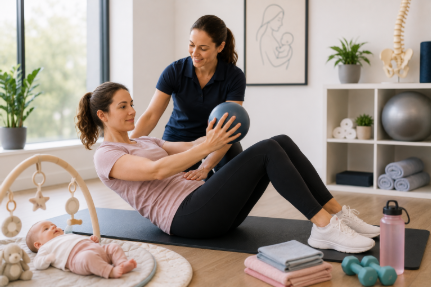
- Options to bring a baby where the setting allows
- Clear exercise progressions rather than generic online workouts
- Supportive guidance that accounts for energy and mental well-being
Checking technique and symptoms regularly allows the plan to progress at a pace that remains realistic.
- A pathway back to running, gym training, or sport when appropriate
Make Space for Questions
Postnatal exercise is also an opportunity to ask questions that may feel difficult to raise elsewhere. Concerns about abdominal separation, pelvic-floor changes, returning to running, or persistent pain deserve respectful, evidence-informed discussion. A practitioner can explain what is common, what should be assessed, and how to adapt activity in the meantime.
People searching for a physio in Leichhardt may benefit from a service that works alongside exercise physiology and considers the whole return-to-movement process. The Movement EP offers supervised postnatal sessions designed to build capacity progressively, with modifications that support recovery rather than forcing a standard workout.
Supportive group or individual sessions can make it easier to maintain a routine during an unpredictable stage of family life.
Looking Ahead
A postnatal exercise program should make movement feel more supported, not more demanding. By starting with assessment, respecting recovery, and progressing around real-life needs, new parents can rebuild strength and confidence at a manageable pace. The best plan is one that helps you feel capable in daily life while creating a safe path toward future exercise goals.