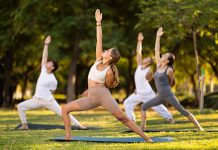
Choosing a career in Pilates instruction involves more than learning exercises. A quality training program helps students understand movement, anatomy, teaching methods, and how to guide clients safely through different levels of practice. If you’re considering a pilates teaching course, it’s important to understand what the training typically includes and how it prepares future instructors for professional teaching.
Whether you’re already a Pilates enthusiast or you’re looking to transition into the wellness industry, knowing what to expect from instructor education can help you choose the right path.
Understanding the Purpose of a Pilates Teacher Training Program
A Pilates teacher training program is designed to build both practical and theoretical knowledge. Students don’t simply memorize exercises—they learn why movements are performed, how they affect the body, and how to adapt them for different individuals.
Most comprehensive programs cover topics such as:
- Functional anatomy and biomechanics
- Pilates principles and movement patterns
- Proper exercise sequencing
- Client assessment techniques
- Teaching cues and communication skills
- Safety considerations and modifications
These foundational skills help instructors teach with confidence while supporting clients with different goals and physical abilities.
What You Will Learn During a Pilates Teaching Course
A structured Pilates teaching course generally combines classroom learning with hands-on practice. Students spend time observing experienced instructors, practicing exercises themselves, and teaching under supervision.
Training often includes:
Anatomy and Body Mechanics
Understanding how muscles, joints, and movement patterns work together is essential for safe instruction. Anatomy lessons help instructors recognize proper alignment and identify movement compensations.
Pilates Equipment and Mat Work
Many certification programs include training on both mat exercises and specialized equipment such as the Reformer, Cadillac, Wunda Chair, and Ladder Barrel. Students learn how each apparatus supports different movement goals.
Teaching Techniques
Effective instruction goes beyond demonstrating exercises. Future instructors learn verbal cueing, observation skills, corrections, class planning, and progression strategies to create engaging and effective sessions.
Practical Experience Is Essential
One of the most valuable aspects of instructor education is practical teaching experience. Most recognized programs require students to complete observation hours, personal practice, supervised teaching, and independent teaching before certification.
This hands-on approach helps students:
- Build confidence in leading sessions
- Improve communication skills
- Learn to adapt exercises for different clients
- Develop professional teaching habits
Practical experience also exposes students to a variety of learning styles and movement abilities, preparing them for real-world instruction.
Skills That Make a Great Pilates Instructor
Technical knowledge is important, but successful instructors also develop interpersonal and teaching skills throughout their education.
Some of the qualities that contribute to effective instruction include:
- Clear communication
- Patience and adaptability
- Strong observation skills
- Attention to proper movement patterns
- Commitment to continuous learning
These skills help instructors create safe, supportive environments where clients can progress at their own pace.
How to Evaluate a Teacher Training Program
Not every training course follows the same curriculum or teaching philosophy. Before enrolling, it’s helpful to research programs carefully.
Consider asking questions such as:
- Is the curriculum comprehensive?
- How much supervised teaching is included?
- Are experienced educators leading the training?
- Does the program include anatomy education?
- What continuing education opportunities are available after certification?
Reviewing the structure and educational approach can help determine whether a program aligns with your career goals.
Career Opportunities After Certification
Completing instructor training can open opportunities in a variety of settings, including:
- Pilates studios
- Fitness centers
- Wellness clinics
- Rehabilitation facilities
- Corporate wellness programs
- Private instruction
Some instructors also continue their education by specializing in areas such as athletic performance, prenatal Pilates, active aging, or rehabilitation-based movement.
Since client needs vary widely, ongoing education often becomes an important part of long-term professional development.
Conclusion
Choosing the right Pilates teaching course is an investment in your future as a movement professional. A program that combines strong theoretical knowledge, practical teaching experience, and comprehensive instruction can provide the foundation needed for a rewarding and sustainable career. If you’re looking for a trusted place to begin your instructor education, The Movement Temple offers professional training designed to help aspiring instructors develop the skills, confidence, and knowledge needed to teach Pilates effectively.