Organizing a group adventure to Niagara Falls can be an exciting way to bring family members, friends, colleagues, or fellow travelers together for a memorable day. However, planning a successful outing involves more than choosing a destination. We need to coordinate transportation, select suitable activities, establish a realistic schedule, manage the budget, and ensure that everyone understands the travel arrangements. With thoughtful preparation, a group trip can become an enjoyable experience rather than a complicated logistical challenge.
A Niagara Falls Bus tour from Toronto provides a convenient option for groups that want to explore one of Canada’s most recognizable natural attractions without managing several separate vehicles. Traveling together can simplify communication, reduce parking concerns, and make it easier to follow a shared itinerary. Instead of spending time navigating unfamiliar roads or coordinating multiple arrivals, we can focus on enjoying the journey and experiencing the destination.
Niagara Falls offers much more than impressive waterfalls. Visitors can explore scenic viewpoints, enjoy local dining, discover nearby attractions, and take part in activities suited to different interests and age groups. Whether we are planning a family reunion, a corporate outing, a school excursion, or a weekend adventure with friends, the key is to create a plan that balances sightseeing, comfort, and flexibility.
By choosing appropriate transportation, organizing the itinerary in advance, and communicating clearly with every participant, we can create a group adventure that is convenient, enjoyable, and memorable for everyone involved.
Why Choose a Bus Tour for a Niagara Falls Group Adventure?
Transportation is one of the most important decisions when organizing a group outing. When everyone travels separately, coordinating arrival times, sharing directions, finding parking, and responding to delays can become difficult. These challenges may affect the schedule before the group even reaches its destination.
A bus tour provides a more coordinated alternative. Participants can travel together, follow a common departure schedule, and enjoy the journey without taking responsibility for driving. This arrangement can be particularly useful for larger groups, families with children, and visitors who are unfamiliar with the route from Toronto to Niagara Falls.
Another advantage is the opportunity to make transportation part of the overall experience. Group members can talk, share expectations, discuss planned activities, and enjoy time together while traveling. For organizers, having a shared transportation arrangement also makes it easier to communicate important information.
Keep the Entire Group Together
Keeping everyone together is especially valuable when the trip involves multiple participants and several scheduled activities. If people arrive in separate cars, one delayed vehicle can affect the entire itinerary. Participants may also struggle to find the same parking area or locate the correct entrance at a busy attraction.
With shared transportation, we can establish one departure point and coordinate the journey more efficiently. Everyone receives the same schedule, and the organizer can provide updates to the group more easily.
This arrangement works well for family celebrations, birthday outings, company events, and trips involving friends from different parts of Toronto.
Reduce Driving and Parking Responsibilities
Driving to a popular tourist destination requires attention to traffic, navigation, and parking availability. During busy periods, these tasks can consume valuable time and create unnecessary stress.
Traveling by bus allows participants to leave the driving to the transportation provider. They can relax during the journey and arrive ready to enjoy the day’s activities.
We should still confirm the pickup and drop-off arrangements because bus access and parking rules can vary by location. A clear transportation plan helps ensure that convenience continues after arrival.
Make Group Planning More Manageable
A shared itinerary gives everyone a clear understanding of the day’s arrangements. Organizers can communicate the departure time, planned stops, expected free time, and return schedule before the trip begins.
A Niagara Falls Bus tour from Toronto can be especially helpful when the group includes people with different travel preferences. By discussing the itinerary in advance, we can identify activities that appeal to most participants and decide how to manage optional experiences.
The result is a more organized trip with fewer last-minute decisions.
Set Clear Goals for Your Group Adventure
Before booking transportation or selecting attractions, we should determine what the group wants to experience. A successful itinerary begins with understanding the purpose of the outing and the interests of the people attending.
Some groups may want to spend most of the day admiring the waterfalls and taking photographs. Others may prefer a combination of sightseeing, entertainment, shopping, and dining. Corporate groups may prioritize team-building activities, while families may need a schedule that accommodates children and older relatives.
Identify the Group’s Main Interests
We can begin by asking participants which experiences matter most to them. This does not require a complicated planning process. A short discussion or simple survey can help identify the attractions that deserve priority.
For example, nature lovers may prefer scenic viewpoints and peaceful walks. Adventure-oriented travelers may be interested in boat excursions or close-up waterfall experiences when available. Families may want time for entertainment and meals, while photography enthusiasts may prefer additional time at the best viewing locations.
Understanding these preferences helps us create an itinerary that feels relevant to the group rather than overcrowded with activities.
Establish Realistic Expectations
Not every attraction can be comfortably included in a single day. Travel time, queues, meal breaks, and the distance between locations all influence how much we can accomplish.
We should choose a few priority experiences and leave room for unexpected delays. A well-paced itinerary usually provides a better experience than a schedule that requires everyone to rush from one activity to another.
It is also important to recognize that participants may have different energy levels and mobility requirements. Building reasonable breaks into the day helps make the adventure more enjoyable for everyone.
Choose the Right Transportation for Your Group
The size and needs of the group should guide our transportation decision. A vehicle that comfortably accommodates a small family may not be appropriate for a corporate team or a large gathering of friends.
Before booking, we should confirm the number of passengers, the amount of luggage, the expected journey duration, and any special requirements. We should also consider whether the group needs one central pickup point or several coordinated stops.
Minibuses for Smaller Groups
Minibuses can be a practical option for smaller family outings, private celebrations, and groups of friends. They can provide a shared transportation arrangement without requiring a large coach.
We should check the actual seating capacity and available luggage space before making a reservation. If passengers need additional assistance or accessible boarding, these requirements should also be discussed with the provider.
Full-Size Coaches for Larger Groups
A full-size coach may be more suitable for school trips, corporate outings, wedding parties, and large family gatherings. Using one vehicle can simplify coordination and help the group remain together throughout the journey.
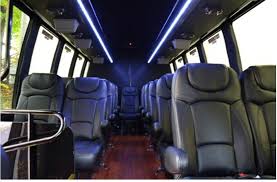
When comparing vehicles, we should consider seating comfort, climate control, luggage storage, and the overall condition of the vehicle. The right choice should meet the group’s practical needs without creating unnecessary expenses.
Consider Everyone’s Comfort
Group adventures often include people with different preferences and mobility levels. Some participants may want to spend hours exploring, while others may prefer a relaxed pace with regular breaks.
We should choose transportation and activities that accommodate these differences as much as possible. Comfortable travel, reasonable walking distances, and clear arrangements can help everyone feel included.
Create a Practical Niagara Falls Itinerary
A good itinerary provides structure without making the day feel rushed. Since a trip from Toronto includes travel in both directions, we should plan carefully to make the most of the available time at Niagara Falls.
A Niagara Falls Bus tour from Toronto may include transportation, guided sightseeing, free time, or selected attractions, depending on the package. We should review the schedule before booking and identify which experiences are included.
Start With the Main Waterfall Viewpoints
The waterfalls should be a priority for most groups visiting Niagara Falls for the first time. We can begin by exploring the main viewing areas, enjoying the scenery, and taking photographs.
Allowing sufficient time at these locations helps everyone appreciate the destination rather than rushing through it. We should also establish a convenient meeting point in case participants explore different nearby areas independently.
Choose One or Two Additional Attractions
After visiting the main viewpoints, we can select additional experiences based on the group’s interests.
Possible options include Journey Behind the Falls, a seasonal boat cruise, the Skylon Tower, or entertainment around Clifton Hill. Each offers a different perspective on the destination, so our choices should reflect the group’s preferences and available time.
We should confirm admission prices, opening schedules, and ticket availability before departure. For larger groups, checking arrangements in advance can make it easier to coordinate activities.
Allow Time for Lunch and Breaks
Meals are an important part of a comfortable group outing. We should decide whether to arrange a shared meal, allow participants to choose their own restaurants, or bring suitable snacks for the journey.
For larger groups, reserving a restaurant or choosing a convenient dining area can reduce waiting time. We should also consider dietary requirements and ensure that everyone has a reasonable opportunity to eat.
A balanced itinerary includes time to relax between activities. This helps prevent fatigue and makes the day more enjoyable for participants of different ages.
Plan Your Budget Before the Trip
Managing the budget is essential when organizing a group adventure. Transportation, meals, attraction tickets, parking, and optional activities can all contribute to the total cost.
We should begin by establishing an approximate budget per person. This makes it easier to determine which experiences are affordable and whether everyone is comfortable with the proposed arrangements.
Compare Transportation Costs
When reviewing transportation quotations, we should check what each price includes. Vehicle size, rental duration, distance, pickup locations, and additional stops can influence the final cost.
We should also ask about deposits, cancellation conditions, waiting-time charges, and any additional fees. Comparing complete quotations gives us a more accurate understanding of the available options.
Calculate Shared Expenses
Dividing eligible group expenses among participants can make budgeting more straightforward. For example, if a transportation arrangement costs $1,200 for 30 passengers, the basic transportation cost is $40 per person.
This calculation can help us compare different vehicle options. However, the final amount may change if the group size, itinerary, or additional services change.
We should clarify which expenses will be shared and which activities participants will pay for individually. This prevents misunderstandings and makes financial arrangements easier to manage.
Organize Activities for Different Types of Groups
Every group has its own expectations. A successful adventure takes these differences into account when selecting activities and setting the pace.
Family Adventures
Families may include young children, teenagers, parents, and older relatives. We should choose activities that suit the group’s different interests and avoid scheduling too many demanding activities in one day.
Comfortable transportation, convenient meeting points, meal breaks, and enough free time can make a family outing easier to manage. We should also communicate any specific requirements to the transportation provider before booking.
Corporate Team Outings
A corporate trip can provide an opportunity for colleagues to connect outside the workplace. We can combine sightseeing with a shared meal, informal team activities, or time to explore the destination together.
For business groups, punctuality and clear communication are particularly important. We should establish a schedule that accommodates the group’s professional commitments and allows sufficient time for the return journey.
Friends and Social Groups
Friends may prefer a more flexible adventure that includes sightseeing, photography, dining, and entertainment. We can invite participants to suggest activities and then select the options that best fit the available time.
Agreeing on the main itinerary beforehand helps prevent disagreements during the trip. We should also establish a return time and make sure everyone understands the transportation arrangements.
School and Educational Groups
School excursions require careful attention to supervision, safety procedures, passenger capacity, and institutional policies. Organizers should confirm the transportation provider’s qualifications, insurance arrangements, and vehicle maintenance practices.
A clear schedule helps teachers and supervisors manage students at each stop. We should also establish meeting points, emergency contacts, and appropriate procedures for keeping the group together.
Book Your Tour at the Right Time
Booking early gives us more time to compare transportation providers, check availability, and coordinate the group’s plans. Popular travel periods may offer fewer choices, particularly when several events take place in the same region.
Once the date and approximate passenger count are known, we should start comparing options. We do not need to finalize every activity immediately, but we should identify the main requirements before confirming transportation.
When selecting a Niagara Falls Bus tour from Toronto, we should carefully review the pickup location, departure time, expected return, vehicle type, and included services.
We should also obtain written confirmation of the booking. Keeping the reservation details accessible helps the organizer verify the arrangements and communicate accurate information to participants.
If the group plans to visit attractions with limited availability or timed admission, we should check those arrangements early as well.
Prepare Everyone for the Day
Good communication can prevent many common group travel problems. Participants should know when to arrive, where to meet, what to bring, and how the day is expected to proceed.
We can share a simple itinerary containing the departure time, destination, planned stops, meal arrangements, and expected return. It is also helpful to identify one person who can answer questions and communicate updates.
Pack the Essentials
We should encourage participants to bring comfortable walking shoes, weather-appropriate clothing, a phone, payment methods, and any personal items they may need.
A lightweight waterproof jacket can be useful near the waterfalls, where mist may make clothing damp. During colder months, warm layers and suitable footwear become particularly important.
Participants should avoid carrying unnecessary belongings because sightseeing may involve considerable walking.
Check the Weather
Weather can affect outdoor activities, walking conditions, and the comfort of the journey. We should check the forecast shortly before departure and adjust our clothing and plans accordingly.
If the itinerary includes seasonal attractions, we should confirm that they are operating on the chosen date. We should also allow flexibility for weather-related changes rather than relying on an inflexible schedule.
Share Important Travel Information
Before departure, we should ensure that every participant knows the meeting point and boarding time. For large groups, it can be helpful to share a contact person’s details and agree on a clear procedure for unexpected delays.
These simple arrangements reduce confusion and allow the group to begin the adventure with greater confidence.
Common Planning Mistakes to Avoid
Even an exciting group trip can become stressful if important details are overlooked. We can reduce these risks by addressing common planning mistakes before departure.
- Choosing a vehicle without confirming capacity: We should ensure that every passenger has an appropriate seat and that luggage requirements are considered.
- Planning too many attractions: A crowded schedule can leave everyone tired and limit the time available to enjoy each location.
- Ignoring additional expenses: We should confirm whether attraction admissions, meals, parking, and other charges are included in the budget.
- Providing unclear pickup instructions: Every participant should know the exact meeting point and departure time.
- Forgetting about traffic: We should leave enough flexibility for delays on the journey between Toronto and Niagara Falls.
- Overlooking accessibility needs: Special requirements should be communicated before the transportation and itinerary are finalized.
- Failing to confirm the return schedule: Participants should know when and where to meet for the journey back.
- Making last-minute changes without communication: Any changes to passenger numbers or the itinerary should be discussed with the transportation provider.
A little preparation can prevent unnecessary complications and help the entire group enjoy the experience.
Make the Journey Part of the Adventure
A group adventure begins long before the first waterfall comes into view. The journey from Toronto offers time to connect with fellow travelers, discuss the day’s activities, and enjoy a break from everyday routines.
With a Niagara Falls Bus tour from Toronto, participants can travel together instead of concentrating on directions and coordinating several vehicles. This can be especially valuable for organizers who want to spend more time enjoying the outing and less time managing transportation.
We can make the journey more enjoyable by sharing the itinerary in advance, arriving at the pickup point on time, and keeping essential belongings accessible. Group leaders should communicate politely and make sure participants understand the schedule.
At the destination, we should balance planned activities with opportunities to explore independently. Taking photographs, enjoying a meal, and spending time at scenic viewpoints can be just as memorable as visiting major attractions.
The most successful group adventures are not necessarily those that include the greatest number of activities. They are the ones where everyone feels comfortable, the arrangements are clear, and the group has enough time to enjoy the experience together.
Conclusion
Organizing the perfect group adventure to Niagara Falls begins with thoughtful planning, suitable transportation, and a realistic itinerary. By understanding the group’s interests, choosing the right vehicle, managing expenses, and confirming important details in advance, we can create a trip that is both enjoyable and well organized.
A bus tour offers a practical way to bring everyone together, simplify transportation, and reduce the complications associated with coordinating several vehicles. Whether we are planning a family outing, a corporate event, a school excursion, or a trip with friends, the right arrangements help everyone focus on the experience.
We should prioritize the main waterfall viewpoints, choose additional attractions carefully, allow enough time for meals and breaks, and prepare for changing weather conditions. Clear communication and a flexible schedule can make the day more comfortable for participants of different ages and interests.
With careful preparation, a Niagara Falls Bus tour from Toronto can become much more than a transportation arrangement. It can provide the foundation for a memorable shared experience filled with scenic views, enjoyable activities, and meaningful moments together.
FAQs
1. How do we organize a group bus tour to Niagara Falls from Toronto?
We should begin by confirming the travel date, passenger count, budget, and preferred activities. Next, we can compare transportation providers, review the available itineraries, confirm the total cost, and share the final schedule with all participants.
2. How many people can travel together on a Niagara Falls bus tour?
The number of passengers depends on the vehicle and tour package. Smaller groups may use minibuses, while larger groups may require a full-size coach. We should confirm the vehicle’s actual seating capacity before booking.
3. What attractions should we include in our group itinerary?
Popular options include the main waterfall viewpoints, Journey Behind the Falls, Niagara City Cruises when operating, the Skylon Tower, and Clifton Hill. The best selection depends on the group’s interests, budget, and available time.
4. How can we keep a group trip within budget?
We should compare complete transportation quotations, calculate shared costs per passenger, and decide which attraction tickets and meals are necessary. Confirming additional fees and agreeing on a budget before booking helps avoid unexpected expenses.
5. What should we bring on a Niagara Falls group adventure?
Comfortable walking shoes, weather-appropriate clothing, a phone or camera, payment methods, and booking details are useful essentials. A waterproof jacket may also help near the waterfalls. We should check the forecast and any tour-specific requirements before departure.
For more information: Airlink Tours Niagara Falls Toronto