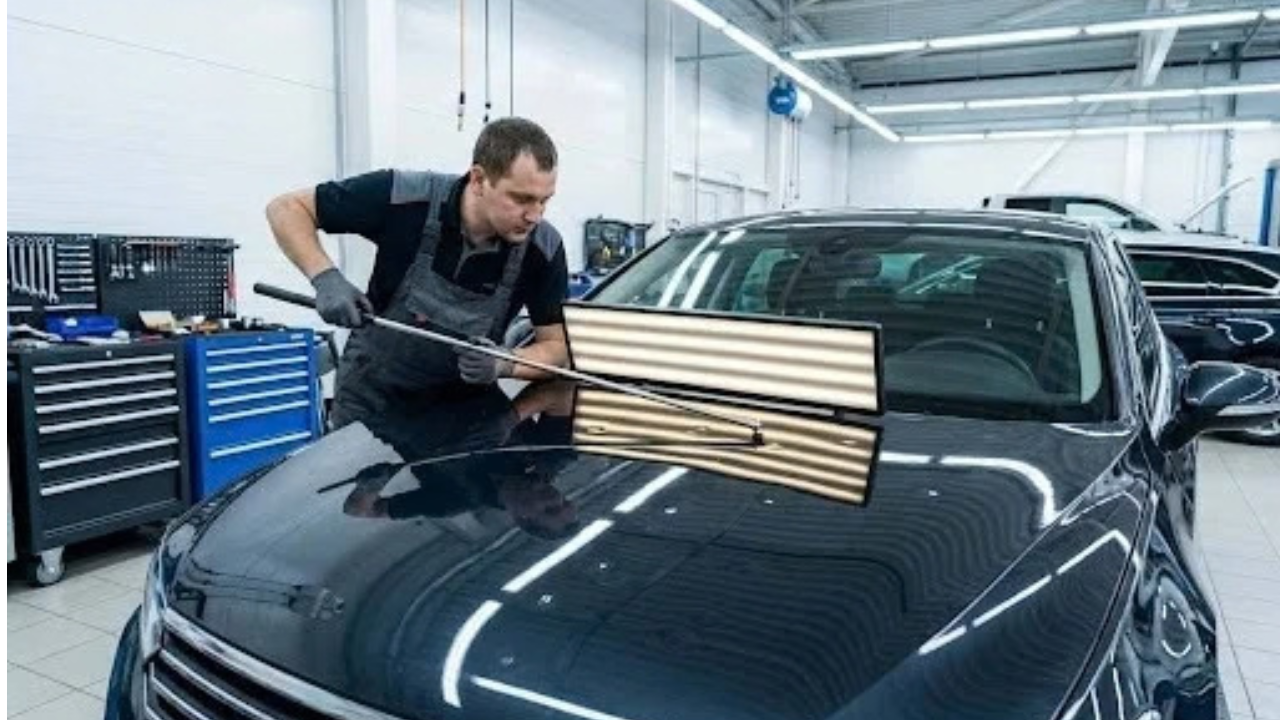
When your vehicle has been dented, it can make a bad impression and you may not know where to begin to fix the dented space. From a shopping cart hitting your home to a small car accident causing a ding in your car, you might want a repair that will save you some time and unnecessary bodywork. Mobile paintless dent repair is a convenient solution to deal with many minor dents without having to visit an auto body shop.
This repair technique lets technicians do repairs at their convenience, such as at your home or business. If the damage is deemed “Paintless Dent Repair” worthy, rather than replacing any damaged panels or applying a traditional body filler, the technicians use special tools to manipulate the damaged metal and restore it to its original shape.
It can be helpful to know what to expect and to prepare for your appointment. The first inspection through to the final quality check can help ascertain the technician’s ability to restore the vehicle’s appearance while maintaining the original paintwork.
What Is Mobile Paintless Dent Repair?
Mobile paintless dent repair is the vehicle restoration service that removes the right kind of dent without having to repaint the panel. Special tools and controlled pressure are used by a trained technician to restore the metal to its original shape.
Mobile implies the repairman comes to you instead of you having to go to a repair shop. This can make it easier for busy drivers.
Paintless dent repair is usually effective on small dents, door dings and some hail damage. The original paint is normally required to be retained and the metal should be able to be reshaped.
A small dent in a car door, for instance, might be eligible for the following technique if there is no cracking to the paint and the metal is not stretched too much. If the original paint is severely damaged with a deep crease or dent, a different method of repair might be necessary.
Step 1: Initial Vehicle Inspection
Assessing the Dent and Paint Condition
The first step is to carefully examine the damaged area. The tech checks the size, depth, location and shape of the dent to see if paintless dent repair will work.
The condition of paint is also important. Cracked, chipped or peeling paint may signal the need for more painting repairs. Technicians also look for pulled metal, sharp creases and previous repairs which may have an impact on the final result.
The exact position of the dent may affect the repair process. Damage at the edge of a panel, body line or structural reinforcement could take longer and it may be more difficult to access.
Explain during this evaluation how the damage was done and any prior repairs. Good communication is necessary for the technician to assess the situation.
Then, the technician can provide details on the options available, the timeframe for the repair and any restrictions. This initial discussion will enable you to have an idea of what the service can actually deliver before work begins.
Step 2: Preparing Your Vehicle for Repair
Creating a Suitable Work Area
After the technician verifies that the damage meets the criteria, the vehicle is prepared for the next step. The technician should have ample room to safely reach the damaged panel and to work accurately.
If the appointment is at your home, park your cars on a level ground with sufficient lighting and space around the damaged area. A garage, driveway or appropriate parking area might be appropriate.
The technician can clean the affected panel to get rid of dirt, dust, and other debris. Having a clean surface will also help the job of inspecting the dent and the changes that happen during the repair.
The technician might also need to go behind the panel to work on the fuse according to the extent of damage. This may be done in various ways, such as by removing an interior door trim panel, a liner or another element.
By preparing the vehicle properly, the technician can work efficiently and protect the vehicle. Making the appointment easier will help by clearing personal items from the affected area and providing access to the vehicle.
Step 3: Accessing the Damaged Panel
Choosing the Right Repair Method
A significant part of paintless dent repair involves gaining access to the back of the dented panel or in some instances specialized tools that operate from the exterior. The technician decides what approach to take depending on the location and shape of the dent.
The technician can access a door panel from the interior of the door after carefully removing the appropriate trim, for dents on a door. When dealing with exterior panels, pulling tools and adhesive tabs may be useful for some dents to push the metal outwards.
Control and precision are needed in each method. If the pressure is too great or the pulling is too vigorous, it may create more imperfections, or it may damage the paint.
The technician takes into account the thickness of the panel and the structure around it, as well as the direction of the dent. These are the factors which will affect the movement of the metal during the repair operation.
This step can take longer if the injured area is not easily accessible. Dislodging and access is minimized with careful selection of tools, and a controlled repair is facilitated.
Step 4: Reshaping the Metal
Gradually Removing the Dent
The critical repair phase is the careful re-contouring of the panel to its original shape. The small pressure applied by the technician to the metal is known as pressure in reverse work behind the panel work.
Instead of pushing the whole dent out all at once, the technician pushes the dent slow, one place at a time. This method will help prevent movement of the metal and the formation of high spots or noticeable distortion.
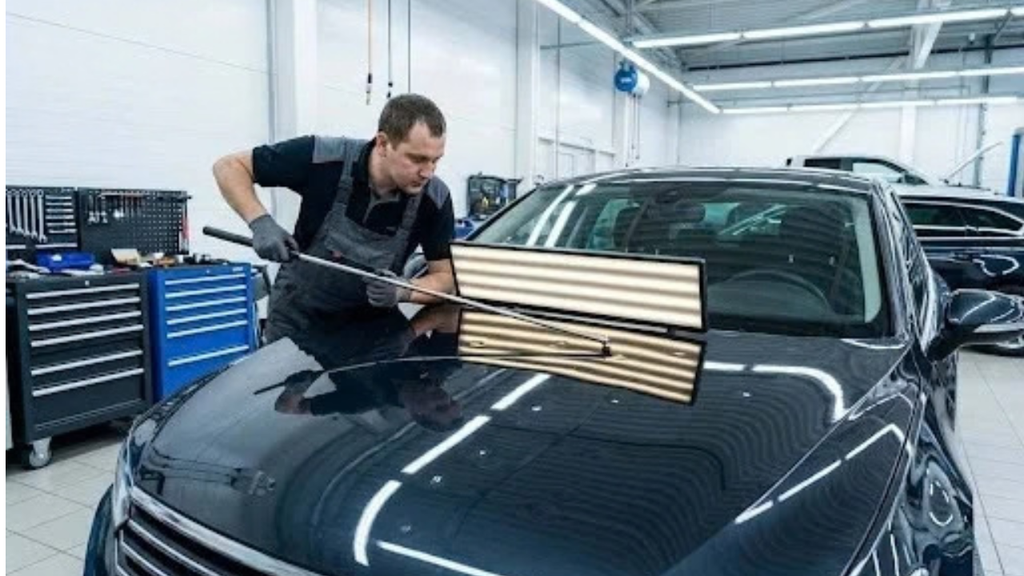
Special lighting may be used to illuminate the panel and to see small changes in the surface. The technician can determine if any additional adjustment is needed by observing the reflections.
In the case of a shallow ding to the door, for instance, he or she might need a few small adjustments around the edges before it’s in the proper shape in the middle. More substantial or complicated dents will require more time and multiple inspections.
The aim is to return the panel to its original state as closely as possible, whilst maintaining the original factory paint. The final outcome will vary depending on the damage done, the material damaged and the accessibility of the area.
Step 5: Final Inspection and Quality Check
Reviewing the Repaired Area
Once the metal has been reshaped, the technician examines the repaired metal panel to see how it looks. This review is useful to detect any low spots, raised areas or distortion that may not be evident on initial inspection.
In this stage lighting and viewing angles are very important. Because of the light that can reflect across the panel, small imperfections may be seen which would not be seen directly.
Technician might make further adjustment if needed and then inspect the environment for uniformity. Whenever parts have been removed from the car, the technician puts them back in and checks to see if they are properly seated.
It is also advisable to check out the repair before the term is up. Examine the panel at various angles and discuss any other defects with the technician.
However, if there are areas of stretched metal or sharp creases, or if paint is already damaged, some dents may not be completely hidden. If you are aware of these limitations, then you will know what to expect as a result and not have too high of expectations.
How Long Does Mobile Paintless Dent Repair Take?
The duration will vary depending on the size, depth, location and complexity of the dent. A small ding in the door may only take a few minutes, whereas having to access a larger dent, such as a body line, may take much longer.
The size of the dent itself is not as useful of an estimate as the technician’s inspection. Two dints of the same size and depth may need different amounts of effort due to different shapes and locations.
In addition to the practical aspects of mobile service, is access to the vehicle, and the set-up that will be necessary at the repair facility? The appointment could last longer if the technicians must take the interior trim or other parts out.
Make sure to get an estimate for the duration before booking the service. It is also advisable to determine if the repair is possible in a single visit.
Avoid choosing a repair service based only on the promise of a very short appointment. Careful work and a realistic assessment matter when you want to preserve your vehicle’s finish.
Conclusion
For those who prefer not to go through the hassle of a traditional paint job, mobile paintless dent repair offers a viable alternative, especially for drivers with small dents or scratches. This usually involves an initial inspection, vehicle preparation, access to panels, careful reshaping of the metal, and a final quality check.
These steps will help you be prepared for the appointment and know why some dents may need more time or other repair techniques. The technician’s evaluation is still critical since the condition of the paint, denting location, and the extent of metal deformation will dictate the possibility of paintless dent repair.
Mobile paintless dent repair can help with a door ding, shallow dent or other damage that meets the criteria to be repaired without the need for painting. Make an appointment for an inspection with a qualified technician and try to discuss the condition of your vehicle, the results of the inspection, and the options for repairs.
Frequently Asked Questions
Is mobile paintless dent repair damaging the original paint?
If there was damage to the car and the technician makes the repair properly, paintless dent repair will keep the car’s original paint. But if there are any existing cracks, chips or compromised paint finishes, they can impact the process and result.
Is it possible to remove large dents with mobile paintless paint stripping?
Yes, paintless dent repair can be done for some big dents. Before choosing the method, the technician needs to determine the depth, place, condition of the metal and the integrity of the paint of the dent.
Does a technician have the ability to repair a dent at my home/office?
In many cases, yes. Mobile technicians visit appropriate sites, such as homes and offices. The repair area should be large enough and have a safe operating environment and access to the vehicle.
Can paintless dent repair be done on all cars?
No. This approach is based on the type of panel material, dents, condition of the paint and amount of damage. Certain dents need to be repaired using traditional methods, repainted or replaced with panels.
What do I need to do before my car comes to get a mobile dent repair appointment?
Park in an easily accessible location that provides adequate space for working. Clear away furniture or objects which may impede access to the damaged area, and provide information on the cause of the dent or if the panel was previously repaired.