Melasma is a common skin condition characterised by brown, light-brown, or greyish patches that develop on the face. These patches often appear on the cheeks, forehead, upper lip, and bridge of the nose. Although melasma does not usually cause physical discomfort, its visible appearance can affect confidence and make achieving an even-looking complexion more challenging.
Melasma In Manchester is an important topic for individuals looking to understand modern approaches to managing uneven facial pigmentation. With suitable skincare, professional assessment, and personalised treatment options, it may be possible to reduce the appearance of existing patches and support a more balanced-looking skin tone.
At SLA Medical Clinic, individuals can explore their pigmentation concerns and discuss suitable options for improving the appearance of their complexion. Understanding what causes melasma, how it behaves, and which treatments may help can make it easier to develop a skincare plan suited to individual needs.
What Is Melasma?
Understanding Uneven Facial Pigmentation
Melasma is a pigmentation condition in which the skin produces excess melanin, the pigment responsible for skin colour. This excess pigment can create patches that appear darker than the surrounding skin.
Melasma commonly affects areas exposed to sunlight, particularly the central face and cheeks. The patches are often symmetrical, meaning they may appear on both sides of the face.
The condition can affect different skin tones and may become more noticeable following sun exposure or hormonal changes. Its appearance can vary from person to person, making individual assessment an important part of treatment planning.
How Melasma Differs From Other Pigmentation Concerns
Not all dark patches have the same cause. Sunspots, post-inflammatory hyperpigmentation, freckles, and other pigmentation concerns may look similar but can require different management approaches.
Melasma often presents as broader, irregular patches rather than isolated spots. However, appearance alone may not always be enough to establish the cause.
A professional skin assessment can help identify whether the pigmentation is consistent with melasma and guide the selection of appropriate treatment options.
Why Consider Melasma Treatment In Manchester?
Improving the Appearance of Uneven Skin Tone
Uneven pigmentation can make the complexion appear less uniform, particularly when darker patches develop across prominent facial areas.
Melasma in Manchester may be relevant to people who want to reduce the visibility of these patches and achieve a more balanced-looking complexion.
Treatment generally focuses on managing excess pigmentation, protecting the skin from triggers, and reducing the likelihood of further darkening.
Supporting Skin Confidence
Melasma can be persistent, and its appearance may fluctuate over time. Some people find that pigmentation becomes more noticeable during warmer months or following periods of increased sun exposure.
A personalised treatment approach can help individuals understand their skin condition, explore appropriate options, and establish realistic expectations about the degree of improvement that may be possible.
Taking a Long-Term Approach to Pigmentation
Melasma often requires ongoing management rather than a single treatment. Even when patches become lighter, pigmentation can return if triggering factors remain present.
Combining appropriate professional care with consistent sun protection and a suitable skincare routine can support longer-term management.
What Causes Melasma?
Sun Exposure and Ultraviolet Radiation
Sun exposure is one of the most important factors associated with melasma. Ultraviolet radiation can stimulate pigment-producing cells, increasing melanin production and making existing patches darker.
Visible light may also contribute to pigmentation, particularly in people with darker skin tones. This is one reason why daily sun protection is an important part of managing melasma.
Hormonal Changes
Hormonal changes can contribute to the development of melasma. The condition is sometimes associated with pregnancy, hormonal contraceptives, or other hormonal influences.
However, melasma can also occur in people without an obvious hormonal trigger. Identifying relevant personal factors can help guide an appropriate management plan.
Genetic Predisposition
Family history may influence a person’s likelihood of developing melasma. Some individuals are more prone to pigmentation changes because of inherited characteristics.
Although genetic predisposition cannot be changed, appropriate skincare and professional treatment may help manage the appearance of existing pigmentation.
Skin Irritation and Inflammation
Skin irritation can sometimes contribute to changes in pigmentation. Harsh skincare products, excessive exfoliation, or unsuitable cosmetic treatments may aggravate the skin and make pigmentation more difficult to manage.
A gentle skincare routine can help maintain the skin barrier and reduce unnecessary irritation.
Environmental Factors
Environmental conditions, including exposure to sunlight and heat, may influence melasma in some individuals.
Understanding the circumstances in which pigmentation becomes more noticeable can help people identify possible triggers and make appropriate adjustments to their daily skincare habits.
What Are the Common Signs of Melasma?
Brown or Greyish Patches
Melasma typically appears as flat patches that are darker than the surrounding skin. The colour can range from light brown to deeper brown or greyish tones.
The intensity of the pigmentation may change over time, particularly with variations in sun exposure and other triggering factors.
Pigmentation Across the Cheeks
The cheeks are among the most common areas affected by melasma. Patches may develop on both cheeks and sometimes extend towards the temples.
Because the cheeks receive regular sunlight exposure, consistent sun protection is particularly important when managing pigmentation in this area.
Forehead and Upper Lip Discoloration
Melasma can also affect the forehead, upper lip, nose, and other central facial areas.
Pigmentation around the upper lip can be especially noticeable because of the contrast between the affected area and the surrounding skin. A suitable treatment plan should account for the location and characteristics of the patches.
Gradual Changes in Pigmentation
Melasma often develops gradually rather than appearing all at once. Some individuals notice increasing pigmentation over several weeks or months, while others experience fluctuations over a longer period.
Monitoring these changes and discussing them with a qualified professional can help guide treatment decisions.
Modern Treatment Options for Melasma
Topical Pigmentation Treatments
Topical treatments are often an important part of melasma management. Certain ingredients help reduce excess pigment production and gradually improve uneven skin tone.
Depending on the individual’s needs, a qualified professional may recommend ingredients such as azelaic acid, vitamin C, kojic acid, or prescription treatments containing hydroquinone.
Prescription-strength products should be used under appropriate medical guidance, as the choice of ingredient, concentration, and treatment duration depends on the individual’s skin and circumstances. <Cite refs={[“turn430318search0″,”turn430318search2”]}/>
Chemical Peels
Chemical peels use carefully selected solutions to exfoliate the skin and encourage the renewal of its outer layers. Some peels may help reduce the appearance of superficial pigmentation and improve overall skin texture.
The type and strength of peel should be selected according to the pigmentation pattern, skin tone, and sensitivity. A professional assessment is particularly important for melasma because excessive irritation can worsen uneven pigmentation.
Laser and Light-Based Treatments
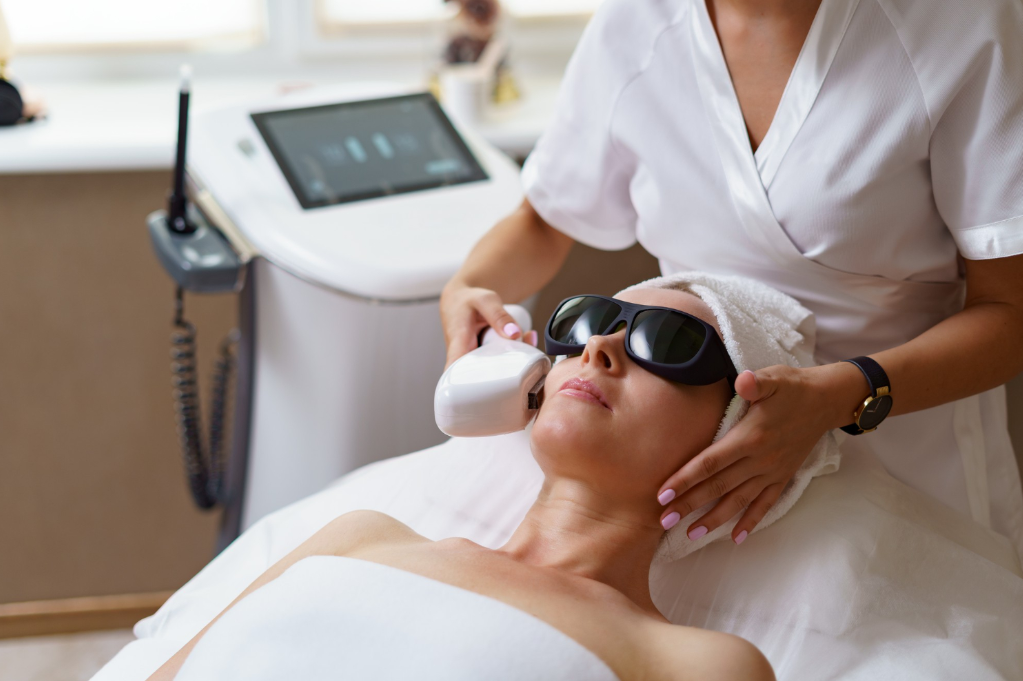
Certain laser and light-based procedures may be considered for selected cases of melasma, particularly when other treatments have not provided sufficient improvement.
These procedures target pigment through specific energy-based technologies. However, they are not suitable for everyone, and results can vary depending on the depth of pigmentation and individual skin characteristics.
Laser treatments are generally considered carefully within a broader treatment plan rather than as a universal first choice for melasma. <Cite refs={[“turn430318search2″,”turn430318search9”]}/>
Microneedling for Selected Pigmentation Concerns
Microneedling uses a specialised device with fine needles to create controlled microscopic channels in the skin. In selected cases, it may be considered alongside topical treatments as part of a professional skin rejuvenation plan.
Its suitability for melasma depends on the individual’s skin condition and treatment goals. The procedure should be performed by a suitably qualified professional familiar with pigmentation disorders.
A Personalised Combination Approach
Melasma often responds better to a coordinated management plan than to a single isolated treatment. Depending on the assessment, this may involve topical products, sun protection, and selected professional procedures.
At SLA Medical Clinic, a consultation can help you discuss your pigmentation concerns and understand which treatment options may be appropriate for your needs.
How to Choose the Right Melasma Treatment
Consider Your Skin Type and Pigmentation Pattern
Skin tone, sensitivity, and the depth of pigmentation can influence how melasma responds to treatment.
Some pigmentation is concentrated closer to the skin’s surface, while other cases involve deeper pigment. A qualified professional can assess these characteristics and help determine a suitable approach.
Understand Your Main Skin Concerns
Individuals may have different goals, such as reducing dark patches on the cheeks, improving forehead pigmentation, or achieving a more even-looking complexion overall.
Identifying the main concerns helps ensure that the proposed treatment plan is focused on the areas and changes that matter most to the individual.
Set Realistic Expectations
Melasma can be persistent, and treatment outcomes vary. Some people notice gradual improvements over several weeks, while others need a longer period of consistent care.
The aim is to reduce the visibility of pigmentation and manage the factors that contribute to its recurrence. Complete and permanent removal cannot be guaranteed.
Melasma Cost In Manchester
What Determines Melasma Treatment Pricing?
The Melasma Cost In Manchester depends on the type of treatment recommended, the extent of pigmentation, and the number of appointments that may be required.
Some individuals may benefit primarily from a professionally guided skincare plan, while others may be considered for additional procedures.
Factors that may influence the overall cost include:
- The type of pigmentation treatment selected
- The size and distribution of the affected areas
- The number of treatment sessions required
- The products or professional procedures included in the plan
- The complexity of the individual’s skin concerns
- Consultation and follow-up arrangements
These factors mean that treatment pricing can differ considerably between individuals.
Cost of Topical Treatments and Professional Procedures
Topical skincare products and prescription treatments have different costs from in-clinic procedures such as chemical peels or selected laser treatments.
A treatment plan involving several appointments may also have a different overall cost from a plan focused on skincare and maintenance.
It is useful to discuss the expected duration of treatment and any ongoing maintenance requirements when reviewing available options.
Why a Personalised Consultation Matters
The Melasma Cost In Manchester is best understood after the cause and extent of the pigmentation have been assessed.
At SLA Medical Clinic, you can discuss your skin concerns and ask about suitable treatment options, expected appointment requirements, and pricing.
Understanding what is included in a proposed treatment plan can help you make an informed decision and plan for both the initial treatment and ongoing skincare.
How to Prepare for Melasma Treatment
Review Your Current Skincare Routine
Before beginning treatment, make a note of the products you currently use, including exfoliants, retinoids, brightening serums, and moisturisers.
This information helps the practitioner understand your existing routine and identify products that may need to be adjusted.
Discuss Previous Pigmentation Treatments
If you have previously tried pigmentation creams, chemical peels, or other procedures, explain what you used and how your skin responded.
Previous treatment history can help guide decisions about the most suitable next steps.
Establish a Sun Protection Routine
Consistent sun protection is central to melasma management. Using a broad-spectrum sunscreen with SPF 30 or higher, seeking shade, and wearing protective clothing can help reduce exposure to factors that worsen pigmentation.
Tinted sunscreen containing iron oxides may provide additional protection against visible light, which can contribute to melasma, particularly in darker skin tones. <Cite refs={[“turn430318search1″,”turn430318search3”]}/>
Daily Skincare for Managing Melasma
Use Gentle Cleansing Products
A gentle cleanser can remove dirt, oil, and everyday impurities without unnecessarily irritating the skin.
Avoiding harsh cleansing products and excessive exfoliation can help support the skin barrier, which is particularly important for people prone to pigmentation.
Choose Suitable Brightening Ingredients
Ingredients such as vitamin C, azelaic acid, and niacinamide may be included in a skincare routine designed to improve uneven skin tone.
The most appropriate ingredients depend on skin sensitivity and the overall treatment plan. Introduce new products thoughtfully rather than combining multiple strong active ingredients without guidance.
Moisturise Regularly
A suitable moisturiser helps maintain skin hydration and supports the skin barrier. Well-hydrated skin may also appear smoother and more comfortable.
Choose products that suit your skin type and avoid formulations that cause persistent stinging or irritation.
Apply Sunscreen Every Day
Sun protection remains important even when the weather is cloudy. Sunlight can reach the skin throughout the year, and repeated exposure may make existing melasma more noticeable.
Apply broad-spectrum sunscreen as directed on the product label and reapply regularly when outdoors, especially after sweating or swimming.
What Results Can You Expect From Melasma Treatment?
Gradual Improvement in Skin Tone
Melasma treatment usually works gradually rather than producing an immediate change. As pigment production is managed and existing pigmentation becomes lighter, the complexion may begin to look more even.
The degree of improvement depends on the treatment used, the depth of pigment, consistency of skincare, and individual response.
The Importance of Consistency
Following the recommended treatment plan consistently can help support progress. Frequently changing products or introducing harsh treatments without professional guidance may interfere with skin care and make it harder to evaluate results.
A structured routine allows the skin to respond over time and makes it easier to identify which treatments are helping.
Ongoing Maintenance
Melasma can recur even after noticeable improvement. Continued sun protection and a suitable maintenance routine are therefore important parts of long-term management.
Your practitioner can explain how to maintain the results and when your treatment plan may need to be reviewed.
Why Choose SLA Medical Clinic for Melasma In Manchester?
A Personalised Approach to Pigmentation
Melasma varies in appearance, severity, and depth. A personalised assessment helps establish the main concerns and identify appropriate management options.
At SLA Medical Clinic, you can discuss your pigmentation concerns and explore an approach that reflects your skin condition and aesthetic goals.
Treatment Planning Based on Individual Needs
A suitable treatment plan considers your skin type, previous skincare treatments, pigmentation pattern, and desired outcome.
This individualised approach helps establish realistic expectations and identify which treatments may be most appropriate.
Guidance on Skincare and Treatment Options
Managing melasma involves more than selecting a single product or procedure. Understanding sun protection, skincare ingredients, and possible professional treatments can help you develop a more consistent approach.
A consultation provides an opportunity to discuss these options and understand how they may fit into your overall skin management plan.
Clear Information About Treatment Costs
Understanding the expected cost is an important part of planning professional pigmentation care.
Discussing the Melasma Cost In Manchester during your consultation can help clarify the proposed treatment, likely number of sessions, and any ongoing maintenance requirements.
Frequently Asked Questions About Melasma In Manchester
What is the main cause of melasma?
Melasma is associated with excess melanin production and can be influenced by sun exposure, hormonal changes, and genetic factors. Several factors may contribute to its development in the same individual.
Can melasma be treated permanently?
Melasma can often be managed, but it may return even after successful treatment. Consistent sun protection and a suitable maintenance routine can help reduce recurrence and maintain improvements.
Which treatment is best for melasma?
There is no single treatment that works best for everyone. Options may include topical pigmentation treatments, chemical peels, and selected procedures, depending on the individual’s skin and pigmentation pattern.
How long does melasma treatment take to work?
Visible improvement often takes several weeks to months. Some people require longer treatment periods, particularly when pigmentation is persistent or has been present for a long time. <Cite refs={[“turn430318search0″,”turn430318search4”]}/>
Can sunscreen help improve melasma?
Sunscreen helps prevent further darkening and supports other treatments. Broad-spectrum sunscreen with SPF 30 or higher is important, and tinted formulations containing iron oxides may provide additional protection against visible light.
Can melasma develop on areas other than the cheeks?
Yes. Melasma commonly affects the cheeks, forehead, upper lip, and nose. The distribution varies between individuals, and an assessment can help determine whether the pigmentation is consistent with melasma.
Are chemical peels suitable for melasma?
Certain chemical peels may help improve pigmentation in selected individuals. The type and strength of treatment should be chosen carefully according to skin type and pigmentation characteristics.
How much does melasma treatment cost in Manchester?
The Melasma Cost In Manchester varies depending on the treatment method, the extent of pigmentation, and the number of sessions required. A personalised consultation can help establish the expected cost.
Can melasma return after treatment?
Yes. Melasma is often a recurring condition, particularly when the skin is exposed to triggering factors such as sunlight. Ongoing sun protection and maintenance care are important for managing the condition over time.
Can I use makeup while managing melasma?
Makeup can help conceal uneven pigmentation while treatment takes effect. Choose products that suit your skin and remove them gently at the end of the day. Tinted sunscreen can also provide sun protection while helping to even the appearance of the complexion.
Book a Melasma Consultation In Manchester
Uneven facial pigmentation can be frustrating, particularly when dark patches become more noticeable with changes in sunlight or skin condition. Understanding melasma and exploring appropriate treatment options can help you take a more informed approach to your skincare.
Melasma in Manchester offers a starting point for individuals who want to learn more about modern pigmentation care and ways to achieve a more even-looking complexion.
At SLA Medical Clinic, you can discuss your skin concerns, explore suitable treatment options, and ask about the Melasma Cost In Manchester as part of your consultation.
With a personalised treatment plan, consistent sun protection, and appropriate skincare, it may be possible to improve the appearance of melasma and support a brighter, more balanced-looking complexion over time.