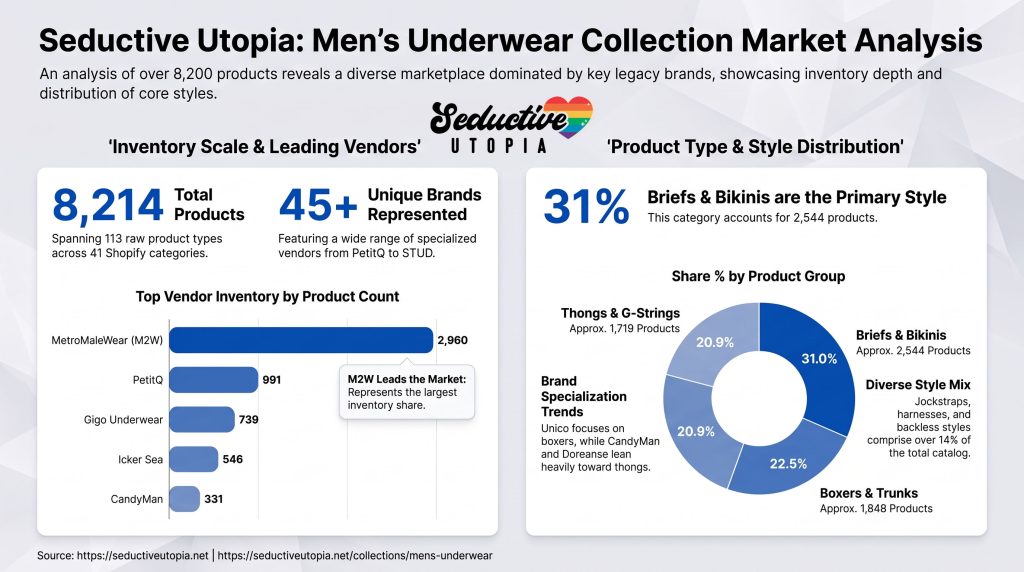
The men’s innerwear sector is developing as consumers become more selective about comfort, fit, fabric, quality, and personal style. A market share analysis of men’s innerwear can help explain how different product categories, consumer preferences, retail channels, and design approaches influence the competitive landscape. Rather than viewing underwear as a simple wardrobe necessity, the modern market increasingly treats it as an important part of everyday comfort and contemporary fashion.
Changing Consumer Priorities
Consumer expectations are influencing the direction of the innerwear category. Comfort remains essential, but shoppers are also considering durability, fabric quality, fit, appearance, and versatility.
Modern lifestyles can require underwear to perform across multiple situations. Workdays, commuting, exercise, travel, and relaxation may each create different requirements. Brands that address these needs through specialized products can appeal to increasingly specific consumer groups.
Product Categories Create Market Diversity
The market includes several major silhouettes, including briefs, trunks, boxer briefs, loose boxers, and performance-oriented designs. Each category provides a different combination of support, coverage, and movement.
Boxer briefs often appeal to consumers looking for additional thigh coverage, while trunks offer a shorter profile. Briefs provide a compact design, and loose boxers prioritize relaxed movement. This variety allows consumers to select products according to personal preference and clothing choices.
Premium Products Gain Attention
Premium innerwear is becoming more visible within the wider fashion market. Higher-quality fabrics, refined construction, distinctive branding, and improved fit can help products differentiate themselves.
Consumers may be willing to spend more when a garment offers noticeable benefits. Softness, reliable elastic, shape retention, and durable stitching can all contribute to a perception of value beyond the basic function of underwear.
Fabric Innovation Influences Competition
Material selection plays an important role in product development. Cotton remains a familiar everyday choice, while modal, blended fibers, silk-based materials, and technical fabrics can provide alternative characteristics.
Performance materials may focus on moisture management and flexibility, while premium natural or blended fabrics can emphasize softness and comfort. The ability to offer meaningful material benefits can help brands establish a distinct position within the market.
Digital Retail Expands Consumer Choice
Online shopping has transformed how consumers discover and compare innerwear. Digital stores allow shoppers to review product specifications, explore different silhouettes, compare materials, and read customer feedback.
Social media and fashion publications can also influence awareness. New styles can gain visibility quickly when consumers and creators share recommendations or styling ideas. This gives smaller labels opportunities to reach specialized audiences.
Brand Identity Becomes More Important
Competition is not based entirely on product specifications. Brand identity can strongly influence consumer decisions, particularly within premium segments.
Color palettes, packaging, photography, logos, and overall design language can help establish recognition. Some brands emphasize bold visual statements, while others rely on minimal aesthetics and understated details. Consistency across these elements can strengthen consumer loyalty.
Sustainability Affects Purchasing Decisions
Sustainability is becoming a more relevant consideration in fashion, including innerwear. Consumers may evaluate material sourcing, manufacturing practices, durability, and packaging when selecting products.
Long-lasting construction can be particularly valuable because underwear is washed frequently. Products that maintain their shape and comfort over time may offer greater practical value while reducing unnecessary replacement.
Regional Preferences Influence Market Development
Men’s innerwear preferences can vary by climate, lifestyle, cultural expectations, sizing, and purchasing habits. Lightweight materials may be particularly relevant in warmer regions, while thermal options can become more important in colder environments.
Brands operating across multiple regions therefore need to balance consistent identity with local relevance. Understanding regional demand can help companies develop products that feel appropriate to different consumer groups.
The Role of Fit and Sizing
Fit remains one of the strongest factors affecting satisfaction. Waistband comfort, leg openings, rise, support, and fabric stretch can influence whether consumers continue purchasing from a particular brand.
Accurate sizing information is especially important in online retail. Clear measurements and product descriptions can reduce uncertainty and help consumers select garments more confidently.
Future Market Opportunities
Future growth within men’s innerwear is likely to be influenced by personalization, performance features, premium materials, sustainability, and digital commerce. Brands that combine these elements without sacrificing comfort may be better positioned to attract modern consumers.
The market is also becoming more expressive. Greater acceptance of varied colors, silhouettes, and design concepts allows companies to develop products that connect bodywear with broader ideas of personal style.
Conclusion
A market share analysis of men’s innerwear shows a category shaped by diverse product types, changing consumer priorities, premium positioning, fabric innovation, digital retail, sustainability, and regional preferences. Competitive success increasingly depends on delivering meaningful comfort and quality while creating a recognizable identity. As men’s wardrobes continue to become more versatile and individual, innerwear is likely to remain an important and evolving part of the broader fashion market.