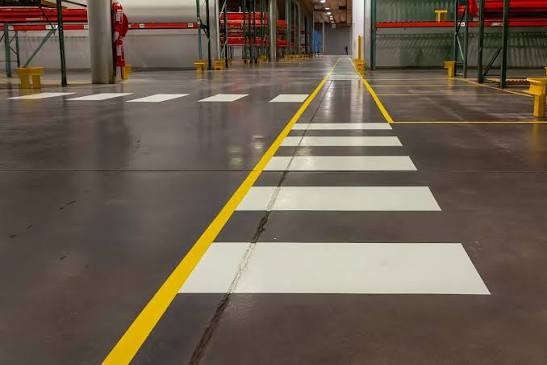
Clear floor markings help industrial facilities manage pedestrian movement, vehicle routes, storage areas and daily activities. They provide visual guidance for workers, visitors and vehicle operators across warehouses, factories and loading zones. Businesses seeking line marking in Adelaide can use professionally applied markings to improve workplace organisation, support safety procedures and maintain clearly defined operational areas.
What Is Industrial Line Marking?
Industrial line marking involves applying lines, symbols and directional markings to floors and paved surfaces. These markings identify pedestrian walkways, vehicle lanes, equipment areas and designated storage spaces within industrial facilities.
Markings are selected based on surface conditions, traffic levels, and operational requirements. Clear layouts help workers identify designated routes and understand how to use different areas during daily activities.
Where Is Line Marking Commonly Used?
Industrial facilities use floor markings to guide movement and organise workspaces. The placement and design of these markings depend on the activities performed at each location.
Common applications include the following:
- Warehouses: Markings define pedestrian walkways, pallet storage areas, forklift routes and loading spaces.
- Factories: Floor lines identify production zones, machinery areas, access routes and designated workspaces.
- Car Parks: Parking bays, directional arrows and traffic markings guide vehicle movement and parking.
- Loading Areas: Marked zones identify delivery spaces, loading bays and access routes for commercial vehicles.
- Work Zones: Floor markings distinguish equipment locations, material-handling areas, and designated operational spaces.
Appropriate markings help facilities maintain consistent movement patterns and use available space more effectively. Periodic reviews help businesses keep these markings aligned with changing operational requirements.
Key Types of Industrial Markings
Different markings serve specific purposes within industrial environments. Businesses can select suitable designs based on traffic flow, workplace activities, and areas that require clear identification.
Common types of industrial markings include:
- Pedestrian Walkways: Clearly defined paths guide workers and visitors through designated walking areas.
- Vehicle Lanes: Marked routes guide forklifts, trucks and other industrial vehicles.
- Parking Bays: Designated spaces support organised parking and efficient vehicle positioning.
- Hazard Zones: Coloured lines and symbols highlight areas that require extra safety precautions.
- Storage Areas: Floor boundaries identify designated locations for pallets, materials and equipment.
Consistent marking designs make workplace instructions easier to recognise. Businesses can also use appropriate colours and symbols alongside safety signage to communicate specific site requirements.
Why Does Regular Maintenance Matter?
Industrial floor markings regularly face vehicle traffic, cleaning activities, equipment movement, and environmental conditions. Periodic inspections help businesses assess visibility, surface wear and the condition of existing markings.
Timely repainting maintains clear boundaries around pedestrian routes, vehicle lanes and operational areas. Maintenance schedules can reflect traffic frequency, surface conditions and the importance of individual markings.
Choosing Suitable Line Marking Services
Businesses considering line marking services in Adelaide should assess surface materials, site accessibility, traffic frequency and operational requirements. Proper preparation and quality materials improve durability and visibility.
Professional industrial line marking services can assist with surface preparation, layout planning, material selection and application. Businesses should also consider drying times and access arrangements when scheduling work around daily operations.
Conclusion
Industrial line marking helps businesses maintain clearly identified workspaces, pedestrian routes and vehicle areas. Suitable materials, careful planning and regular maintenance contribute to lasting visibility and effective workplace organisation. Reviewing markings as operational needs change helps facilities maintain practical layouts and support safer daily activities.