The demand for fruit-based products has grown steadily over the years as consumers seek healthier, flavourful, and convenient food options. Products such as jams and jellies have become household staples, enjoyed across all age groups for breakfast, snacks, desserts, and bakery applications. With India’s abundant fruit production and expanding processed food market, jam and jelly manufacturing presents promising opportunities for aspiring entrepreneurs and food industry professionals.
However, producing high-quality products requires more than just a recipe. Understanding raw material selection, food safety, processing techniques, quality control, packaging, and regulatory compliance is essential for success. A professional jam making course provides the practical knowledge and technical skills needed to master jam and jelly processing, whether you’re starting a business or building a career in food processing.
Understanding Jam and Jelly Processing
Although jams and jellies are often mentioned together, they differ in preparation and texture.
Jam is prepared by cooking crushed or chopped fruit with sugar until it reaches the desired consistency. It retains fruit pulp, giving it a rich texture and natural flavour.
Jelly, on the other hand, is prepared using filtered fruit juice without pulp. The result is a smooth, clear product with a firm yet spreadable consistency.
Both products rely on the correct balance of fruit, sugar, pectin, acidity, and controlled heating to achieve the desired quality.
Why Jam and Jelly Processing is Growing
India is one of the world’s largest producers of fruits, making fruit processing an important segment of the food industry.
Several factors are driving the demand for processed fruit products:
- Increasing preference for ready-to-eat foods
- Rising consumption of breakfast spreads
- Growing bakery and confectionery industry
- Expansion of organised retail
- Longer shelf life compared to fresh fruits
- Reduced post-harvest losses
- Growing export opportunities
As consumer demand continues to increase, skilled professionals trained in jam and jelly processing are becoming increasingly valuable.
What is a Jam Making Course?
A jam making course is a specialised training programme designed to teach learners the complete process of manufacturing jams, jellies, and other fruit-based preserves while following food safety and quality standards.
The programme combines theoretical knowledge with practical demonstrations, enabling participants to understand commercial production methods rather than only home-scale preparation.
Learners develop skills required for employment in food processing industries or for establishing their own food businesses.
What You Learn in a Jam Making Course
A comprehensive training programme generally covers every stage of production.
Selection of Raw Materials
The quality of finished products begins with selecting suitable fruits.
Participants learn how to evaluate:
- Fruit maturity
- Freshness
- Quality parameters
- Seasonal availability
- Storage requirements
Understanding raw materials helps ensure consistent product quality.
Fruit Preparation
Proper preparation directly affects taste and texture.
Training covers:
- Washing
- Sorting
- Peeling
- Cutting
- Pulp extraction
- Juice extraction
These steps help maintain hygiene while improving processing efficiency.

Jam and Jelly Processing Techniques
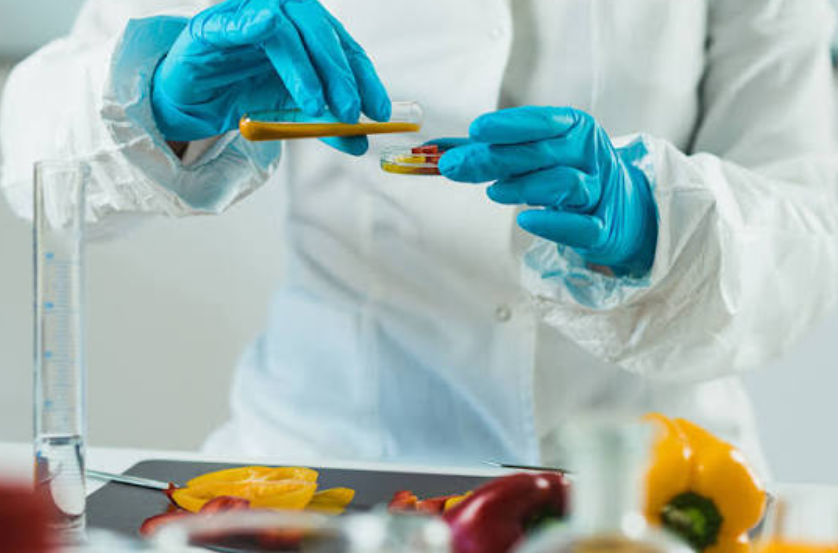
Participants learn the scientific principles involved in manufacturing.
Topics typically include:
- Sugar concentration
- Pectin content
- Acidity control
- Heating temperatures
- Cooking techniques
- Gel formation
- Consistency testing
Understanding these principles helps produce products with consistent texture, flavour, and shelf life.
Food Safety and Hygiene
Food safety remains essential throughout processing.
Learners understand:
- Personal hygiene
- Equipment sanitation
- Cleaning procedures
- Contamination prevention
- Good Manufacturing Practices (GMP)
- Safe food handling
Maintaining hygiene protects both product quality and consumer health.
Packaging and Storage
Proper packaging extends shelf life while protecting products during transportation and storage.
Training includes:
- Packaging material selection
- Filling techniques
- Sealing methods
- Labelling requirements
- Storage conditions
Effective packaging improves product presentation and marketability.
Quality Control
Participants learn methods for maintaining product consistency through:
- Texture evaluation
- Colour assessment
- Taste testing
- Moisture monitoring
- Shelf-life considerations
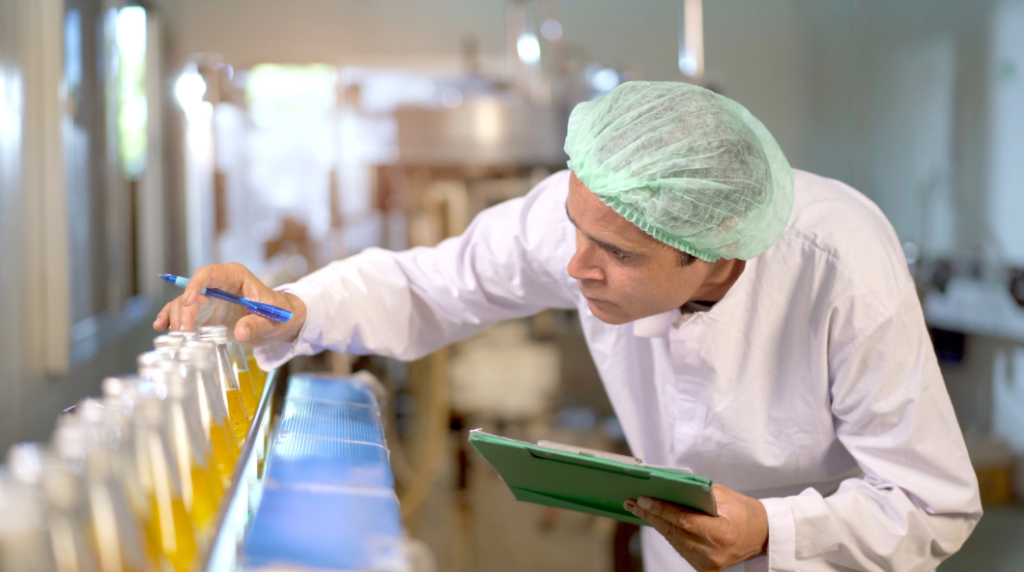
- Product inspection
Quality assurance helps businesses maintain customer satisfaction and regulatory compliance.
Benefits of Learning Jam and Jelly Processing
A professional jam making course offers numerous career and business advantages.
Build Practical Skills
Hands-on training helps learners confidently operate equipment, follow standard procedures, and manufacture high-quality products.
Improve Food Safety Knowledge
Understanding food safety standards reduces contamination risks while supporting regulatory compliance.
Career Opportunities
Skilled professionals may work in:
- Food processing companies
- Fruit processing units
- Quality assurance departments
- Food manufacturing plants
- Small-scale food enterprises
- Research and development teams
Training enhances employability across multiple food industry sectors.
Entrepreneurship Opportunities
Many learners use their training to establish businesses producing:
- Fruit jams
- Fruit jellies
- Marmalades
- Fruit preserves
- Fruit spreads
Growing consumer demand creates opportunities for local brands and home-based enterprises.
Skills Developed Through the Course
Participants gain competencies in:
- Fruit processing
- Jam manufacturing
- Jelly preparation
- Food hygiene
- Quality control
- Packaging techniques
- Production planning
- Equipment handling
- Food safety compliance
These skills prepare learners for modern food manufacturing environments.
Importance of E-Learning in Food Processing
Online learning has made technical education more accessible than ever before.
Professionals, students, entrepreneurs, and food business operators can now develop industry-relevant skills without interrupting their existing work schedules.
Digital learning offers:
- Flexible study schedules
- Self-paced learning
- Expert-led sessions
- Practical demonstrations
- Accessible learning resources
- Industry-focused curriculum
This flexibility allows learners from different locations to acquire specialised food processing knowledge.
Choosing the Right Jam Making Course
Before enrolling, evaluate the programme carefully.
Look for courses that include:
- Industry-relevant curriculum
- Practical demonstrations
- Food safety training
- Experienced trainers
- Processing techniques
- Packaging guidance
- Quality assurance concepts
- Certification
- Flexible online access
A comprehensive programme provides both technical knowledge and practical industry skills.
Conclusion
A professional jam making course is an excellent investment for anyone interested in fruit processing, food manufacturing, or entrepreneurship. Understanding the complete jam and jelly processing workflow, from raw material selection and production to food safety, packaging, and quality control, helps learners produce safe, high-quality products that meet industry standards. Through flexible, industry-focused training, FICSI eLearning equips aspiring professionals with the knowledge and practical skills required to succeed in India’s growing food processing industry while creating opportunities for sustainable career growth and business success.