Residential proxy providers often promote large IP pools, global coverage, precise targeting, and low pricing. While these claims can sound ideal for scraping, they do not always reflect how well a service performs in real-world data collection tasks.
After evaluating IP2UP from a scraping-focused perspective, it appears to be a budget-friendly residential proxy provider with flexible billing models and useful features for web scraping workflows. However, there are also limitations and inconsistencies that users should understand before relying on it for large-scale scraping operations.
This review explains what IP2UP is useful for in scraping, how its proxy types fit different scraping needs, and whether it is a practical choice in 2026.
What IP2UP Is Used For in Scraping
IP2UP is primarily used for web scraping and data collection tasks that require rotating residential IP addresses.
In scraping, proxies help:
- Avoid IP bans and rate limits
- Access geo-restricted content
- Simulate real users from different locations
- Collect data at scale without being blocked
Common Scraping Use Cases
IP2UP can be used for:
- Search engine scraping (SERP data)
- E-commerce price monitoring
- Competitor analysis
- Market research
- Ad verification
- Travel and ticket price tracking
- Public data extraction from websites
The effectiveness of IP2UP for scraping depends on how well its proxies rotate, how accurate the locations are, and how stable the connections remain during requests.
Overview of IP2UP Services for Scraping
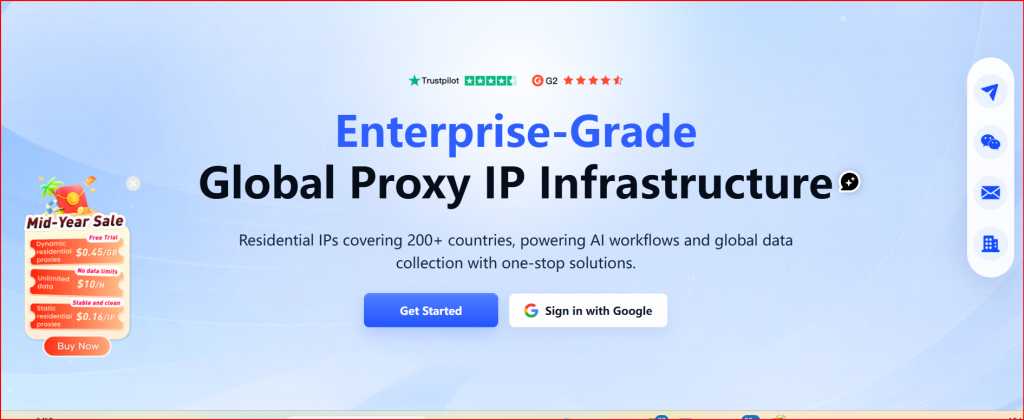
IP2UP offers three types of residential proxies, each suited for different scraping scenarios:
- Dynamic residential proxies (best for most scraping tasks)
- Static residential proxies (for stable sessions)
- Unlimited residential proxies (for high-volume scraping bursts)
Dynamic Residential Proxies: Best for Scraping
Dynamic residential proxies are the most useful option for scraping.
Why They Work for Scraping
- IP rotation helps avoid detection and bans
- Sticky sessions allow multiple requests from the same IP when needed
- Location targeting enables scraping region-specific data
- Residential IPs appear more legitimate than datacenter IPs
Key Features for Scraping
- Rotating IPs per request
- Sticky sessions (1–70 minutes)
- Country, state, and city targeting
- HTTP and SOCKS5 support
- Sub-account traffic control
Scraping Use Cases
Dynamic proxies are ideal for:
- Scraping search engine results (Google, Bing)
- Collecting product data from e-commerce sites
- Monitoring competitor pricing
- Extracting localized content
- Running scraping bots at scale
Important Note
Scraping efficiency depends on how optimized your scraper is. Poorly configured scrapers can consume excessive bandwidth and increase costs.
Static Residential Proxies: When Stability Matters
Static residential proxies provide a fixed IP address.
When to Use Them for Scraping
- Logging into accounts during scraping
- Maintaining sessions on websites
- Avoiding repeated verification challenges
- Running long scraping sessions without IP changes
Limitations for Scraping
- No rotation → higher risk of blocking
- Less suitable for large-scale scraping
- Requires careful usage to avoid bans
Static proxies are better for controlled scraping tasks, not aggressive data extraction.
Unlimited Residential Proxies: High-Volume Scraping
Unlimited proxies are billed per hour instead of per GB.
When They Are Useful
- Short-term scraping jobs with heavy data usage
- Bulk data extraction within a limited time window
- High-speed scraping tasks
Risks for Scraping
- Unclear location targeting
- Possible automatic IP assignment
- Less control over scraping regions
Why This Matters
For scraping tasks that require specific countries or cities, lack of targeting control can reduce accuracy.
Always confirm targeting capabilities before using unlimited proxies for scraping.
Pricing for Scraping Projects
- Dynamic proxies: $0.45 per GB
- Static proxies: $0.16 per day
- Unlimited proxies: $10 per hour
Cost Considerations for Scraping
Scraping costs depend on:
- Data size per request
- Number of requests
- Target website complexity
- Use of images/scripts
Tips to Reduce Scraping Costs
- Block images and unnecessary resources
- Use lightweight requests (HTML only)
- Optimize scraping intervals
- Monitor bandwidth usage
Setup for Scraping Tools
IP2UP uses standard proxy credentials:
- Host
- Port
- Username
- Password
Compatible with Scraping Tools
- Python (requests, Scrapy)
- Node.js (Axios, Puppeteer)
- Selenium
- cURL
- Proxy managers
Example Use in Scraping
You can integrate IP2UP proxies into:
- Web scraping scripts
- Automation bots
- Data extraction pipelines
The setup is simple and works with most scraping frameworks.
Limitations for Scraping
While IP2UP can be used for scraping, there are some concerns:
- No verified success rate data
- No public benchmarks for scraping performance
- Inconsistent network size claims
- Strict no-refund policy
- Unclear targeting for unlimited plans
What This Means
You cannot assume performance without testing. Scraping success depends heavily on:
- Target website defenses
- Proxy quality
- Rotation behavior
Importance of Testing for Scraping
Before using IP2UP for scraping at scale:
- Start with a free trial
- Test your actual target websites
- Measure success rate and block rate
- Check IP location accuracy
- Monitor cost per successful request
Only scale after confirming results.
Advantages for Scraping
- Affordable pricing for large scraping projects
- Rotating residential IPs
- Geo-targeting capabilities
- Easy integration with scraping tools
- Flexible session control
- Supports automation workflows
Disadvantages for Scraping
- No guaranteed scraping success rates
- Limited transparency on IP pool quality
- Strict refund policy
- Possible inconsistencies in documentation
- Unclear behavior for unlimited proxies
Final Assessment: Is IP2UP Good for Scraping?
IP2UP can be a cost-effective option for web scraping, especially for users who need rotating residential proxies at a lower price point.
The dynamic residential proxies are the most suitable for scraping, offering rotation, targeting, and flexibility needed for most data collection tasks.
However, due to limited transparency and lack of verified performance data, it should not be treated as a guaranteed solution for all scraping scenarios.
Final Recommendation for Scraping
- Use dynamic proxies for most scraping tasks
- Test thoroughly before scaling
- Optimize your scraper to reduce costs
- Confirm targeting capabilities if location matters
If IP2UP performs well during testing, it can be a practical and affordable tool for scraping projects in 2026.