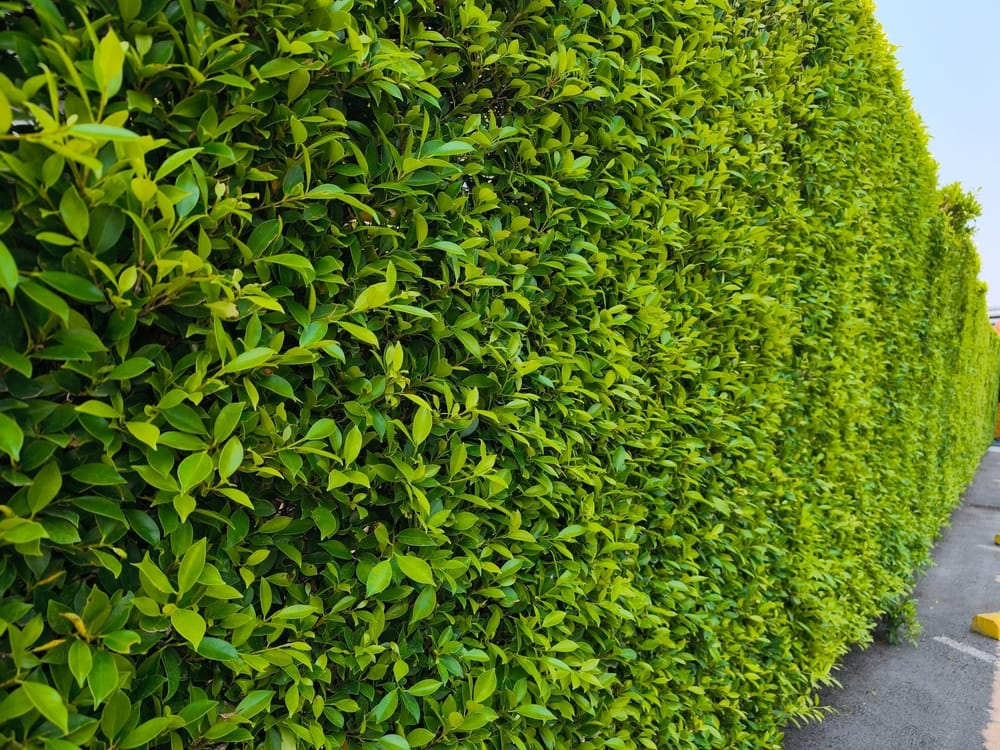
Homeowners and landscapers alike often search for trees that combine fast growth, attractive foliage, and low maintenance requirements. Ficus nitida, also known as Indian Laurel, checks all of these boxes, making it a favorite choice across warmer climates. With its dense, glossy leaves and adaptable growth habit, this evergreen tree works well in a variety of landscaping applications, from standalone shade trees to structured hedges. Understanding its growing requirements and care needs can help ensure it thrives in your yard for years to come.
Ideal Growing Conditions
This tree performs best in warm climates, typically thriving in USDA hardiness zones 9 through 11. It prefers full sun exposure, though it can tolerate partial shade, particularly in regions with intense afternoon heat. Well-draining soil is essential, as the roots are susceptible to rot if left in consistently waterlogged conditions.
When planting, choose a location with enough space to accommodate the tree’s eventual size, since it can grow quite large if left unpruned. Spacing becomes especially important when planting multiple trees together, as overcrowding can restrict airflow and lead to fungal issues over time.
Watering and Feeding Requirements
Newly planted trees require consistent watering to establish a strong root system, typically needing deep watering several times a week during the first few months. Once established, the tree becomes more drought-tolerant, though regular watering during particularly hot or dry periods helps maintain healthy foliage and steady growth.
Fertilizing during the growing season, generally spring through early fall, supports vigorous growth and rich leaf color. A balanced, slow-release fertilizer applied a few times throughout the growing season is typically sufficient to keep the tree healthy without encouraging excessive, weak growth.
Pruning and Shaping
One of the reasons this tree is so popular in landscaping is its excellent response to pruning. It tolerates heavy shaping well, which is why it’s frequently used for topiaries, screens, and clipped hedges. Regular pruning not only maintains a desired shape but also encourages denser foliage growth, resulting in a fuller appearance over time.
For those growing ficus nitida as a hedge or screen, pruning several times during the growing season helps maintain clean lines and prevents the plant from becoming leggy or sparse at the base. Using sharp, clean tools during pruning reduces stress on the plant and minimizes the risk of introducing disease through open cuts.
Common Pests and Problems
While generally hardy, this tree can occasionally face issues with pests such as scale insects, aphids, or whiteflies. Regularly inspecting leaves for signs of infestation, including sticky residue or discoloration, allows for early intervention before problems become severe. Root rot can also occur in poorly draining soil, reinforcing the importance of proper site selection and drainage during planting.
Cold snaps can sometimes cause leaf drop or stress, particularly in regions near the edge of its hardiness range. Providing protection during unexpected frost events can help minimize damage and support quicker recovery once temperatures rise again.
Landscaping Uses and Versatility
Beyond its practical growing requirements, this tree offers considerable versatility in landscape design. It can be trained into a single-trunk shade tree, shaped into ornamental topiaries, or planted in rows to create dense, uniform screening. Its ability to tolerate frequent trimming makes it especially useful for creating clean, formal garden borders or softening the look of fences and walls.
Many homeowners appreciate how quickly ficus nitida fills in when planted close together, offering a relatively fast solution for those wanting mature-looking greenery without years of waiting.
Conclusion
With proper attention to sunlight, watering, and regular pruning, this adaptable evergreen can become a standout feature in any warm-climate landscape. Its fast growth and tolerance for shaping make it especially well-suited among privacy hedge plants, offering both functional screening and ornamental appeal for years of enjoyment in the garden.