A roof protects your home from rain, snow, wind, and changing temperatures. However, roofing materials can gradually wear down, and severe weather may cause damage that requires professional attention. Knowing when to repair or replace your roof can help prevent moisture problems and protect your property’s structure.
For homeowners researching roofing contractors in Madison, WI, understanding local weather conditions, roofing materials, maintenance requirements, and contractor qualifications can make the decision easier.
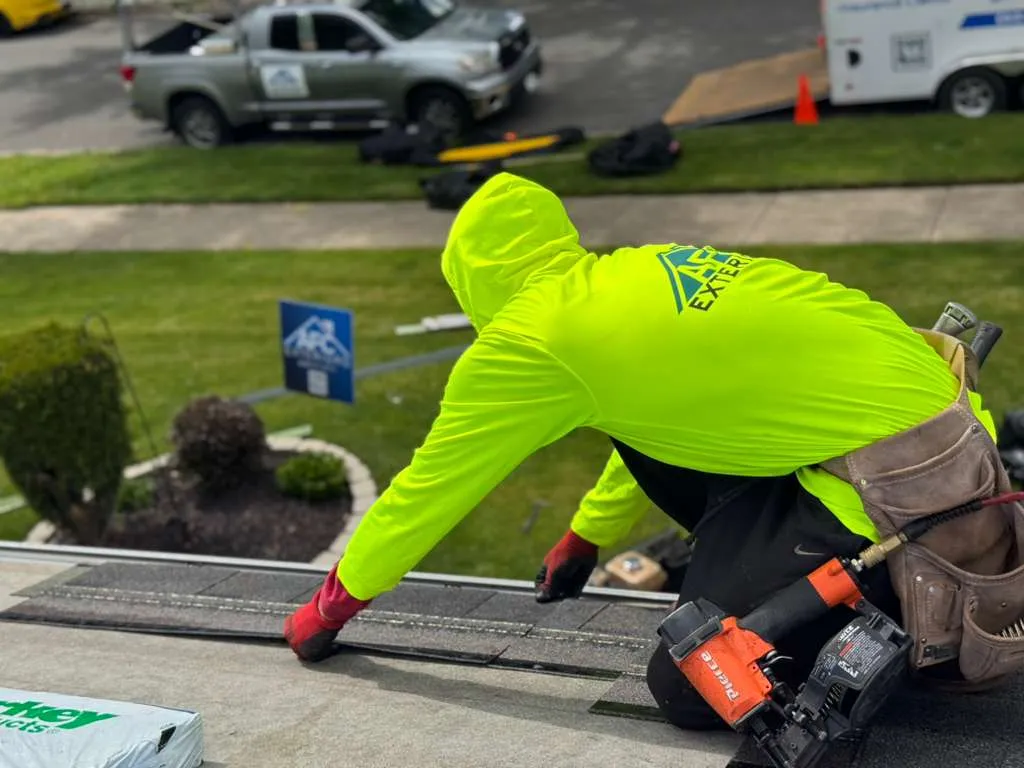
Why Madison’s Weather Matters for Your Roof
Madison experiences cold winters, snowfall, freezing temperatures, summer storms, and seasonal temperature changes. These conditions can affect roofing materials in different ways.
During winter, melting snow can refreeze near roof edges and contribute to ice dams. Water may then accumulate behind the ice and enter beneath roofing materials. Strong winds can loosen shingles, while hail may damage shingles, flashing, gutters, and other exterior components.
Summer heat and sunlight can also contribute to material deterioration over time. Regular inspections help identify problems before they lead to more extensive repairs.
Homeowners should consider scheduling roof inspections in spring and fall, as well as after significant storms when damage may have occurred.
Common Roofing Services Homeowners May Need
Roofing contractors typically provide several services depending on the roof’s condition and the property’s requirements.
Roof Inspections
An inspection helps identify missing shingles, damaged flashing, drainage problems, deteriorating seals, and possible signs of moisture intrusion. A professional may also examine attic ventilation and look for evidence of leaks inside the property.
Roof Repair
Roof repairs address localized problems, such as loose shingles, damaged flashing, or leaks around vents and chimneys. Repairing a problem early may prevent moisture from damaging insulation, ceilings, and other building materials.
Roof Replacement
A roof replacement may be appropriate when the existing system has widespread damage, repeated leaks, or significant age-related deterioration. The decision should consider the roof’s overall condition, repair history, remaining service life, and replacement costs.
Storm Damage Assessment
After hail or strong winds, an inspection can help determine whether roofing materials have been damaged. Photographs and written documentation may also help homeowners communicate with their insurance company when a claim is appropriate.
Which Roofing Material Is Suitable for Your Home?
Choosing roofing materials involves balancing durability, appearance, maintenance, and budget.
Asphalt shingles: These are commonly used on residential properties because they offer different colors and styles. Their performance depends on product quality, installation, ventilation, and weather exposure.
Metal roofing: Metal systems are available in different profiles and finishes. Depending on the product and installation, they can provide long service life and effective shedding of snow and rain.
Rubber roofing: EPDM and other rubber-based systems are commonly used on flat or low-slope roofs. Proper drainage, seam installation, and maintenance are important for reducing leak risks.
Other roofing materials: Cedar, slate, and synthetic roofing products may suit certain architectural styles and property requirements. Their structural demands, installation methods, and maintenance needs should be evaluated before selection.
A qualified contractor can explain which materials are suitable for the roof’s slope, structure, and exposure to local weather.
How to Compare Roofing Contractors in Madison, WI
Before hiring a contractor, review more than the estimated project price. A detailed evaluation can help you understand the proposed work and avoid unexpected costs.
Consider these factors:
- Credentials and insurance: Verify applicable Wisconsin contractor credentials and request current insurance documentation.
- Local experience: Ask about completed projects involving similar roof types and weather conditions.
- Written estimates: Compare material specifications, labor, tear-off requirements, disposal, and any additional charges.
- Workmanship warranty: Understand what the contractor’s warranty covers and how long it remains valid.
- Communication: Confirm who will supervise the work, provide updates, and address questions.
- Permits and building requirements: Ask who will determine and obtain any permits required for the project.
Obtain written estimates from multiple contractors and compare the scope of work rather than choosing solely on price. Avoid signing an agreement before you understand the payment schedule, project timeline, and cancellation terms.
Practical Ways to Maintain Your Roof
Routine maintenance can help identify issues before they become more serious. Keep gutters and downspouts clear so water can drain away from the roof. Check ceilings and attic spaces for signs of moisture, and look for visible shingle damage from the ground.
Trim branches that could fall onto the roof, and address damaged flashing or deteriorated seals when identified. Avoid climbing onto a roof yourself, particularly during wet, icy, or windy conditions. A qualified professional can inspect areas that are difficult or unsafe to reach.
Proper attic insulation and ventilation can also help manage temperature differences that contribute to ice dams. These measures should be assessed as part of the property’s overall roofing system.
Conclusion
Maintaining a roof requires regular inspections, suitable materials, and timely repairs. Madison’s winter weather and seasonal storms make it especially important to check for leaks, loose shingles, drainage problems, and signs of deterioration.
When comparing roofing contractors in Madison, WI, review their credentials, experience, written estimates, warranties, and project details. Visit AFC Exteriors today to discuss your roofing needs, explore available solutions, and find the right option to help protect your home for years to come.
Frequently Asked Questions
1. How often should I have my roof inspected in Madison, WI?
Many homeowners schedule inspections twice a year, in spring and fall. An additional inspection may be appropriate after significant hail, wind, or storm activity.
2. How do I know whether my roof needs repair or replacement?
Localized damage may be repairable, while widespread deterioration, recurring leaks, or extensive material failure may indicate that replacement is worth considering. A professional inspection can help determine the appropriate option.
3. What are common signs of roof damage?
Missing or curling shingles, ceiling stains, water intrusion, damaged flashing, excessive shingle granules in gutters, and visible sagging can indicate roofing problems that need assessment.
4. Which roofing material works best in Madison’s climate?
There is no single best material for every home. Asphalt shingles, metal roofing, and suitable low-slope systems can all be appropriate when selected and installed according to the property’s requirements.
5. Should I contact a roofing contractor after a hailstorm?
Yes, if you suspect damage. A professional inspection can help identify affected areas and document findings. Contact your insurer to understand your policy and any applicable claim requirements.
6. What should a roofing estimate include?
A written estimate should describe the work, materials, labor, removal and disposal requirements, project timeline, payment terms, and applicable warranties. Permit responsibilities should also be clarified.