Swelling is common after a tooth is removed. It happens because your body is repairing the gum, bone, and other tissues around the empty socket.
In most cases, swelling becomes more noticeable during the first two or three days. It should then slowly improve. However, the exact recovery time depends on the tooth, the difficulty of the procedure, and your general health.
If you have swollen gums after tooth extraction, follow your dentist’s instructions and watch how your symptoms change each day.
Is Swelling Normal After Tooth Extraction?
Mild or moderate swelling is usually a normal part of healing. You may notice it inside your mouth, around the gum, or on the outside of your cheek.
Some people also develop mild bruising or jaw stiffness. These symptoms can be more noticeable after wisdom tooth surgery or a difficult extraction.
Normal swelling should begin to settle after reaching its highest point. It should not suddenly become much worse after it has started improving.
Why Does Swelling Happen After Tooth Removal?
Removing a tooth affects the gum and nearby tissues. In response, your body sends fluid, blood, and healing cells to the area.
This natural process causes inflammation and swelling. It protects the treated area and begins the repair process.
More swelling does not always mean something is wrong. A difficult procedure can disturb more tissue than a simple extraction. As a result, the body may produce a stronger healing response.

When Does Swelling Usually Begin?
Swelling may begin within the first 24 hours. At first, it may be mild and limited to the gum around the extraction site.
During the next day, the cheek or jaw may look fuller. This is especially common when a back tooth or wisdom tooth has been removed.
Patients receiving care in Houston, TX, should follow the personal recovery instructions provided by their dentist because each extraction can be different.
When Is Swelling Usually at Its Worst?
Swelling often reaches its highest point about 48 to 72 hours after the procedure. Therefore, it may look worse on the second or third day.
This increase does not always mean you have an infection. It can be part of the normal healing process.
However, pain and swelling should begin to settle after this point. Contact your dentist if they continue getting worse or if new symptoms appear.
How Long Does Swelling Usually Last?
Most swelling begins improving after the third day. It may take five to seven days to settle fully. According to dental surgery recovery guidance, swelling can appear within 48 hours and commonly lasts five to seven days.
Mild tenderness or puffiness may remain for a little longer after a complex procedure. Wisdom tooth surgery can also require more recovery time.
Your dentist can provide a more personal timeline based on the type of tooth extraction treatment you received.
What Is the Normal Swelling Timeline?
The following timeline shows what many patients experience. However, it should not replace instructions from your dentist.
During the First Day
Mild bleeding, soreness, and early swelling may occur. A blood clot should form inside the socket. Rest and avoid disturbing this clot.
During the Second and Third Days
Swelling may reach its highest level. Your cheek may feel firm, and opening your mouth may feel difficult. Mild bruising can also appear.
During Days Four Through Seven
Swelling should slowly decrease. Eating and speaking may become more comfortable. Pain should also improve instead of becoming stronger.
After the First Week
Most visible swelling should be gone. Mild jaw stiffness or tenderness may continue after a difficult procedure. Report symptoms that remain strong or become worse.
Can Swelling Last Longer Than One Week?
Yes, mild swelling may sometimes last longer than one week. This is more likely after several teeth are removed or when the procedure involves impacted wisdom teeth.
An infection that existed before the extraction may also slow recovery. Age, medical conditions, and certain medicines can affect healing as well.
However, swelling that does not improve should be checked. A dentist can determine whether you are healing slowly or developing a complication.
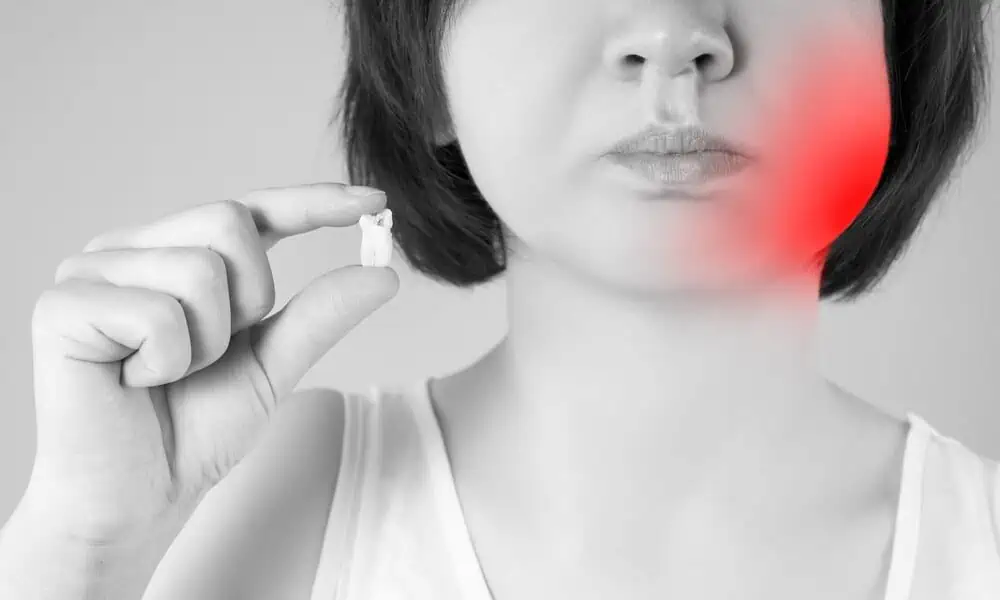
What Can Affect How Long Swelling Lasts?
Several factors can change the amount and length of swelling:
- The type and location of the tooth
- The difficulty of the extraction
- The number of teeth removed
- Your age and general health
- An infection before treatment
- Smoking or tobacco use
- Your activity level after treatment
- How closely you follow aftercare directions
- Medicines or conditions that affect healing
Before an extraction, tell your dentist about your health conditions and every medicine or supplement you take.
Does Wisdom Tooth Removal Cause More Swelling?
Wisdom teeth can be more difficult to remove, especially when they are trapped below the gum or growing at an angle.
The dentist or oral surgeon may need to open the gum or remove a small amount of surrounding bone. Because more tissue is involved, facial swelling can be stronger.
Recovery after wisdom tooth removal often takes one to two weeks, although many people return to normal activities earlier. Swelling should still show steady improvement after it reaches its peak.
How Can You Reduce Swelling at Home?
Simple aftercare steps can support comfortable healing:
- Rest during the first day
- Keep your head slightly raised
- Use a cold pack as directed
- Drink enough water
- Choose soft, mild foods
- Avoid heavy exercise
- Take medicine only as instructed
- Protect the blood clot
- Attend every follow-up visit
People recovering in Houston, TX, should contact their dental office if personal instructions are unclear. Your dentist’s directions should take priority over general online advice.
How Should You Use an Ice Pack?
Wrap an ice pack or cold pack in a thin cloth. Place it against the outside of your cheek for 10 to 20 minutes. Then remove it for a short break.
Never put ice directly on your skin because it can damage the skin. MedlinePlus tooth-extraction guidance recommends using a wrapped cold compress for short periods to reduce pain and swelling.
Ice is usually most helpful during the first 24 to 48 hours. Follow your dentist’s instructions about when to stop.
How Should You Sleep With Facial Swelling?
Keep your head higher than your chest while resting. You can use two or three pillows or sleep in a slightly raised position.
Lying completely flat may increase pressure and throbbing around the extraction area. Sleeping on the side away from the treated area may also feel more comfortable.
Place a towel over your pillow in case a small amount of blood or saliva leaves your mouth during the first night.
What Foods Should You Eat During Recovery?
Choose soft foods that need little chewing, such as:
- Yogurt
- Applesauce
- Mashed potatoes
- Scrambled eggs
- Soft pasta
- Smooth soup
- Oatmeal
- Ripe bananas
- Cottage cheese
- Mashed vegetables
Allow hot foods to cool before eating. Also, chew on the opposite side of your mouth when possible.
Drink from a cup instead of using a straw. The sucking action from a straw may disturb the blood clot and increase the risk of dry socket.
What Should You Avoid After an Extraction?
Avoid anything that may disturb the socket or slow healing, including:
- Smoking, vaping, and tobacco
- Drinking through a straw
- Hard physical activity
- Crunchy or sticky foods
- Very hot food and drinks
- Alcohol
- Touching the socket
- Forceful spitting or rinsing
- Taking unapproved medicine
Smoking can slow healing and raise the risk of complications. Ask your dentist how long you should avoid it based on your procedure.
How Should You Keep Your Mouth Clean?
Do not rinse your mouth forcefully during the first 24 hours unless your dentist gives different directions. Strong rinsing may loosen the blood clot.
Continue brushing your other teeth carefully. Keep the toothbrush away from the socket during the early healing period.
After 24 hours, your dentist may recommend gentle warm salt-water rinses. Let the water move softly around your mouth, and allow it to fall out without forceful spitting.
Can Medicine Reduce Swelling and Discomfort?
Pain medicine may reduce soreness and inflammation. However, you should take only the medicine recommended by your dentist or healthcare provider.
Do not take extra doses, mix medicines without advice, or use another person’s prescription. Certain pain medicines may not be suitable for people with stomach, kidney, liver, bleeding, or heart problems.
Antibiotics are not needed after every extraction. If they are prescribed, take them exactly as directed.
How Can You Tell Normal Swelling From Infection?
Normal gum swelling after tooth extraction usually reaches a peak and then slowly improves. It may feel tender, but it should become less uncomfortable over time.
Possible signs of infection include:
- Swelling that continues to increase
- Fever or chills
- Pus near the socket
- A strong unpleasant taste
- Increasing pain
- Redness or warmth that spreads
- A bad smell that does not improve
- Feeling generally weak or unwell
Call your dentist if you notice these changes. Do not try to treat a possible infection with leftover antibiotics.
Does Swelling Mean You Have Dry Socket?
Swelling alone does not usually mean you have dry socket. Dry socket happens when the protective blood clot does not form properly or leaves the socket too early.
The main warning sign is strong pain that begins or becomes worse several days after the extraction. Pain may spread toward the ear, temple, or neck. Bad breath and an unpleasant taste may also occur.
Cleveland Clinic’s dry-socket guide explains that an exposed socket can cause severe pain and delay healing. A dentist should treat this problem.
When Should You Call Your Dentist?
Contact your dentist if swelling becomes worse after the third day or does not begin to improve. You should also call about fever, pus, heavy bleeding, increasing pain, a foul taste, or difficulty opening your mouth.
Patients in Houston, TX, should keep their dental office’s after-hours number available during recovery.
People who feel anxious about an extraction may ask whether Sedation Dentistry is available. However, travel plans, sedation, aftercare, and transportation should always be discussed before the procedure.
When Does Swelling Need Emergency Care?
Call emergency services or seek immediate medical help if you have:
- Trouble breathing
- Trouble swallowing
- Rapidly spreading facial swelling
- Swelling moving into the neck
- Severe weakness or confusion
- Difficulty waking after sedation
- Blue or gray lips
- Uncontrolled heavy bleeding
These symptoms should not be managed at home. Rapid swelling near the throat can affect the airway and needs urgent care.
Help Your Mouth Heal Safely
Swelling is expected after many tooth extractions. It often becomes strongest during the second or third day and then improves over the following several days.
Rest, protect the blood clot, choose soft foods, keep your head raised, and use a cold pack as directed. Most importantly, follow the instructions given by your dental team.
If you are recovering in Houston, TX, do not wait for a routine appointment when swelling becomes severe or unusual. Early advice can help your dentist identify an infection, dry socket, or another problem before it becomes more serious.
Frequently Asked Questions
How many days does extraction swelling normally last?
Swelling often reaches its highest point within two or three days. It usually begins improving after that and may settle within five to seven days. Difficult extractions or wisdom tooth surgery can cause mild swelling for longer.
Why does swelling peak three days after tooth extraction?
Your body sends fluid and healing cells to the treated tissues after an extraction. This response builds gradually, so swelling may peak around 48 to 72 hours. It should then begin to decrease instead of continuing to worsen.
When should swelling after tooth extraction cause concern?
Contact your dentist if swelling worsens after the third day, does not improve, or appears with fever, pus, severe pain, or a foul taste. Seek emergency help for trouble breathing, swallowing, or rapidly spreading facial swelling.