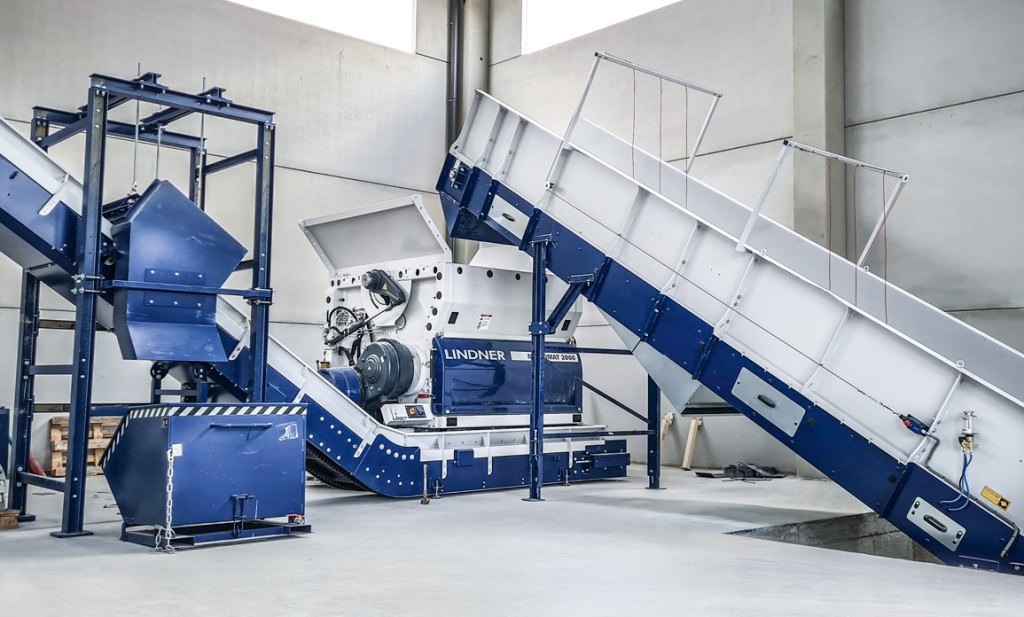
Modern industries generate large quantities of materials that need to be reduced, processed, or prepared for further handling. From manufacturing waste to packaging materials and discarded products, managing these materials efficiently can improve workflow and support responsible resource management. Industrial shredding provides a practical way to reduce bulky materials into smaller, more manageable pieces.
An industrial shredder is designed to process materials at a scale and intensity that conventional shredders cannot handle. Depending on its configuration, it can be used for different materials and applications, making it an important part of many processing operations. Understanding how these machines work and what factors influence their performance can help businesses make more informed equipment decisions.
What Is an Industrial Shredder?
An industrial shredder is heavy-duty equipment designed to reduce materials into smaller pieces through mechanical cutting, tearing, or shearing. Unlike small office or commercial shredders, industrial systems are built to operate with larger volumes and tougher materials.
Different machines can use various cutting configurations depending on the intended application. Single-shaft, twin-shaft, and four-shaft designs may provide different processing characteristics, throughput levels, and output sizes.
The appropriate configuration depends on factors such as material type, required particle size, processing volume, and the desired consistency of the final output.
Materials That Can Be Processed
Industrial shredding equipment can be used in a wide range of material-processing environments. Depending on the machine’s specifications, applications may involve plastics, wood, paper, cardboard, textiles, packaging, and other industrial materials.
Some materials require more cutting force than others. Dense or bulky items may require equipment with higher torque and robust cutting components, while lighter materials can often be processed using different configurations.
Understanding the physical characteristics of the material is therefore essential when selecting machinery. Factors such as density, moisture, dimensions, flexibility, and contamination can all influence processing performance.
How Shredding Can Improve Material Handling
Reducing the size of waste materials can make storage, transportation, and subsequent processing more manageable. Large objects often occupy considerable space, while shredded material can be consolidated more efficiently.
For businesses developing Recycling solutions, shredding can also serve as an early processing stage. Reducing materials into smaller pieces can make them easier to sort, separate, transport, or prepare for additional processing.
Size reduction may also support more consistent downstream operations. When materials enter subsequent equipment in a more manageable form, processing systems can potentially operate more efficiently and predictably.
Important Features to Consider
Several factors should be assessed before selecting an industrial shredding system. Throughput is particularly important because the machine needs to handle the expected volume without creating unnecessary bottlenecks.
Cutting technology is another consideration. Different blade arrangements and shaft configurations are suited to different material types and output requirements. The desired final particle size should also be established before selecting equipment.
Maintenance requirements are equally important. Cutting components experience significant mechanical stress during operation, so accessible maintenance points and replaceable wear components can help support long-term equipment performance.
Safety features should also be considered. Industrial machinery should incorporate appropriate guarding, emergency controls, and operational safeguards to reduce risks during use and maintenance.
Matching Equipment to the Application
There is no universal shredding system that is suitable for every operation. Equipment selection should begin with a clear understanding of the materials being processed and the expected workload.
Businesses should consider whether the machine will operate continuously or intermittently, how much material must be processed, and what output size is required. Available floor space, power requirements, feeding methods, and integration with other processing equipment may also influence the final choice.
A properly matched industrial shredder can help create a more streamlined material-handling process because its configuration is selected around the specific requirements of the application rather than relying on a one-size-fits-all approach.
Conclusion
Industrial shredding can provide an effective approach to managing bulky and challenging materials across different industries. For businesses exploring OGTEC, understanding the role of shredding technology and matching equipment to specific processing requirements can be an important step toward developing an efficient material-handling strategy. Selecting equipment based on material characteristics, processing volume, output requirements, maintenance needs, and safety considerations can help create a more reliable workflow.