Family events are a wonderful opportunity for children to wear traditional outfits that reflect Pakistani culture while keeping comfort in mind. Styling childrens pakistani clothes for weddings, Eid gatherings, birthday celebrations, and family dinners can be simple with the right combination of colors, fabrics, footwear, and accessories. Traditional clothing offers plenty of choices, from shalwar kameez and kurta pajama to embroidered dresses and waistcoat sets. A well-planned outfit should suit the event, weather, and child’s age without becoming difficult to wear. Small styling details can transform a basic traditional outfit into a polished and festive look.
Start With the Right Traditional Outfit
The main outfit sets the foundation for a child’s complete event look. Boys can wear a classic kurta pajama, shalwar kameez, or kurta with a waistcoat for weddings and formal gatherings. Girls can wear embroidered frocks, shalwar kameez, ghararas, lehengas, or beautifully detailed two-piece sets. The level of decoration should match the occasion. Heavy embroidery and embellishments work well for weddings, while lighter designs are suitable for family dinners and casual celebrations. Age-appropriate cuts and comfortable fits should remain a priority when selecting traditional Pakistani outfits for children.
Match Colors With the Event
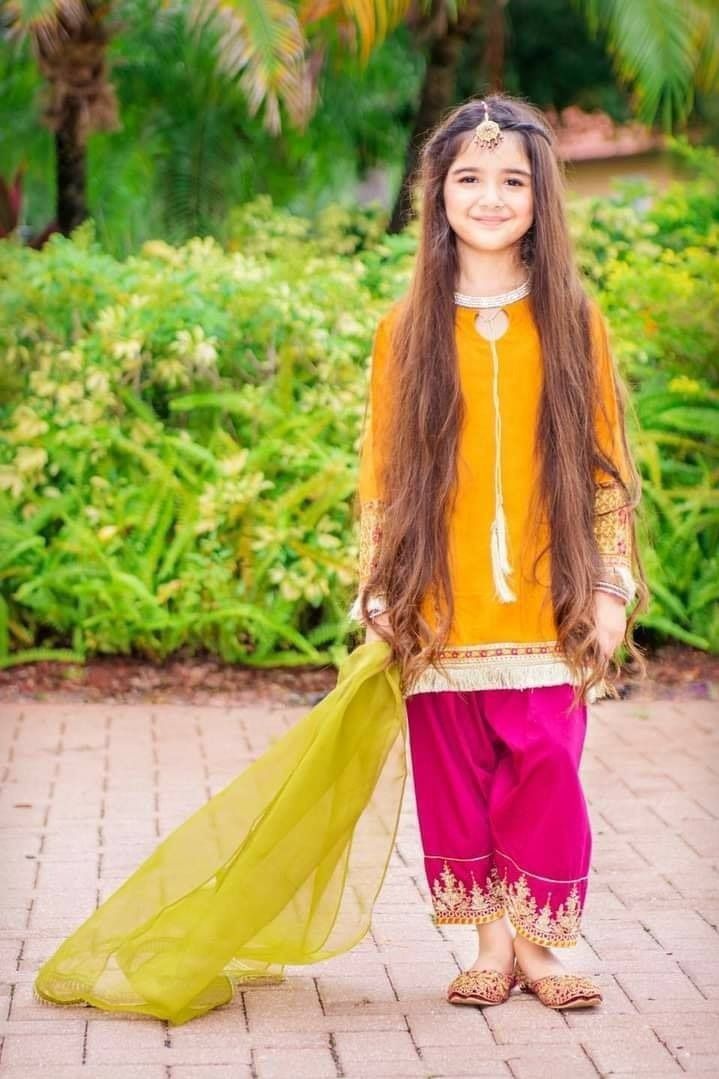
Color selection can make traditional clothing appear more festive and coordinated. Bright shades such as emerald green, royal blue, maroon, mustard, and pink can create an attractive look for weddings and Eid celebrations. Softer colors such as cream, beige, pastel pink, sky blue, and mint green can suit daytime family events. Neutral shades also provide flexibility when matching footwear and accessories. For siblings, similar color families can create a coordinated appearance without requiring identical outfits. A simple color combination often looks more elegant than an outfit containing too many contrasting shades.
Add a Waistcoat for Boys
A waistcoat is one of the easiest ways to make boys’ traditional clothing more formal. A plain kurta pajama can look considerably more polished with a contrasting or matching waistcoat. Embroidered waistcoats can add a festive touch for weddings, while simple cotton or textured designs can work for smaller family gatherings. The waistcoat should allow comfortable movement and avoid overly restrictive fitting. Traditional khussas or simple formal shoes can complete the outfit. For younger boys, lightweight waistcoats are especially practical because heavy materials may become uncomfortable during long events.
Style Girls’ Outfits With Simple Details
Girls’ traditional outfits can include embroidery, lace, sequins, borders, tassels, or printed patterns. A heavily decorated dress does not require many additional accessories. Simple bangles, a small hair accessory, or a matching dupatta can provide enough detail for a balanced appearance. For younger children, lightweight accessories are preferable because large or heavy pieces can interfere with movement. A comfortable hairstyle, such as a braid, ponytail, or simple bun, can complement formal Pakistani dresses without creating unnecessary fuss. The overall styling should allow the outfit to remain the main visual feature.
Select Comfortable Fabrics
Fabric choice becomes particularly important when children need to wear traditional clothing for several hours. Cotton, lawn, linen blends, and lightweight fabrics can work well during warmer weather. Velvet, thicker cotton, khaddar, and layered fabrics may be more suitable for cooler months. Soft materials are generally more comfortable for children with sensitive skin or long event schedules. Rough embroidery, stiff collars, and excessive embellishments can cause discomfort, so outfit construction deserves attention alongside appearance. Comfortable clothing also allows children to participate in meals, games, photographs, and family activities more easily.
Choose Footwear That Complements the Outfit
Footwear should complete the traditional look without making movement difficult. Boys can pair shalwar kameez with khussas, loafers, or simple formal shoes. Girls can wear traditional sandals, embellished flats, ballet flats, or comfortable dress shoes depending on the outfit. New footwear should ideally be tested before the event to prevent discomfort. Shoes with secure fitting are particularly useful for younger children who may spend considerable time walking or playing. Matching footwear with one detail from the outfit, such as embroidery or a waistcoat, can create a coordinated appearance without requiring an exact color match.
Use Accessories Carefully
Accessories can add personality to childrens pakistani clothes, but moderation helps maintain a neat appearance. Boys may use a simple traditional cap, pocket square, or decorative button detail with formal outfits. Girls can wear small earrings, bangles, hair clips, headbands, or a lightweight dupatta. Accessories should remain suitable for the child’s age and the formality of the occasion. Too many decorative pieces can make an outfit appear crowded and may become inconvenient during the event. Selecting one or two complementary accessories usually creates a more balanced traditional look.
Coordinate Sibling Outfits
Matching or coordinated sibling outfits can look especially attractive in family photographs. Exact matching is not necessary. Similar colors, patterns, or fabric details can create visual harmony while allowing each child to have an individual style. For example, a boy can wear a navy kurta with a cream waistcoat while a girl wears a cream dress featuring navy embroidery. Another option is selecting the same base color with different designs according to age and preference. Coordinated clothing also works well for Eid photos, wedding celebrations, and large family gatherings.
Consider the Type of Family Event
The event itself should guide the level of formality. A wedding may call for embroidered shalwar kameez, waistcoat sets, ghararas, lehengas, or embellished dresses. Eid gatherings can feature colorful kurtas, printed outfits, and elegant traditional accessories. A family dinner may require a simpler kurta, frock, or two-piece traditional set. Daytime events generally suit lighter colors and fabrics, while evening functions can accommodate deeper shades and more decorative details. Considering the venue, season, duration, and expected activities helps create a suitable outfit without unnecessary styling.
Keep the Outfit Practical for Children
Style should never come at the expense of comfort. Children may need to sit on the floor, walk between different rooms, play with relatives, or remain seated during a long meal. Loose but well-fitted clothing can provide better mobility than extremely structured designs. Dupattas should be secured appropriately, while long hems should not create a tripping risk. Decorative elements should also be firmly attached to prevent discomfort or damage. A practical approach makes traditional clothing easier to manage throughout the event while still maintaining a polished appearance.
Prepare the Outfit Before the Event
Preparing clothing in advance can prevent last-minute styling problems. The complete outfit should be checked for loose buttons, damaged embroidery, missing accessories, and uncomfortable seams. Footwear should be tested, while clothes should be ironed or steamed according to fabric requirements. Accessories can be organized together so that nothing is forgotten before leaving for the event. A small backup item, such as an extra hair accessory or simple footwear, can also be useful during longer celebrations. Proper preparation allows more attention to remain on enjoying the family occasion rather than fixing clothing issues.
Create a Balanced Traditional Look With Bachaa Party
Bachaa Party provides value for families looking for practical inspiration and options in childrens pakistani clothes for special occasions. Traditional clothing can combine cultural style, attractive designs, and child-friendly comfort when selected thoughtfully. From festive outfits to accessories and footwear, a coordinated look can be created according to the event, season, and child’s age. The focus on children’s fashion makes it easier to consider both appearance and everyday practicality when preparing for weddings, Eid celebrations, and family gatherings. A balanced outfit does not need excessive decoration; the right combination of traditional design, comfortable fabric, suitable colors, and simple accessories can create a memorable event-ready appearance.