A successful event can change in minutes. A crowded entrance, heated disagreement, unauthorized access, or unattended item may begin as a minor concern and quickly affect guest safety and event operations. 24/7 Event Security Services help organizers manage these risks through planning, controlled access, crowd awareness, clear communication, and timely intervention. The objective is not simply to react, but to prevent manageable situations from escalating.
Risk Assessment Sets the Security Plan
Effective event security begins before the first guest arrives. Professional planning considers the venue layout, expected attendance, entry and exit points, parking areas, service entrances, restricted spaces, emergency routes, event schedule, and the type of gathering.
A concert, festival, corporate event, sporting activity, and private function can each produce different security concerns. Guest volume, alcohol service, VIP attendance, temporary structures, contractors, and extended operating hours can all influence the risk profile.
This is why security planning should be site-specific rather than based on a generic checklist. CISA recommends that venue operators conduct site-specific physical security assessments and tailor protective measures to the venue’s characteristics and risk factors.
Crowd Flow Requires Active Management
Large crowds are not automatically unsafe. Problems often arise when people, vehicles, and staff are forced through poorly managed spaces. Congested entrances, narrow walkways, blocked emergency routes, uncontrolled queues, and poorly positioned barriers can create pressure points.
Security personnel can monitor these areas, guide guests, maintain clear access routes, and recognize unusual crowd behavior before congestion becomes difficult to manage.
Consider a busy entrance where ticket scanning slows down unexpectedly. Guests begin gathering, people move around the queue, and frustration rises. A trained officer can help maintain order while event staff resolves the operational issue. That is preventive security in action.
Access Control Extends Beyond the Front Gate
Event security is not limited to checking people as they enter. Different groups may require different levels of access, including guests, employees, vendors, contractors, performers, media personnel, and VIPs.
Credentialing and controlled access help separate public areas from backstage spaces, equipment rooms, offices, service corridors, and other restricted zones. Officers can verify credentials, monitor access points, and identify unauthorized movement before it develops into a larger problem.
This matters because busy events create constant movement. Someone who legitimately entered the venue may still have no reason to enter a restricted operational area.
CISA also identifies credentialing, access control, and physical security as important considerations for public venues and special events.
Early Intervention Limits Incident Escalation
One of the most valuable functions of professional event security is recognizing warning signs early. Aggressive behavior, repeated access attempts, suspicious activity, disputes, or unusual movement can require attention before they become serious incidents.
A trained officer should assess the situation, communicate with the appropriate personnel, follow established escalation procedures, and document relevant details. The response should match the situation rather than create unnecessary disruption.
This is where 24/7 Event Security Services can provide meaningful value. Continuous coverage allows security personnel to maintain awareness across setup, guest arrival, peak activity, departure, and venue breakdown.
For organizers seeking Event Security Services Panama City Beach, this structured approach can be particularly useful for events involving changing crowd levels, multiple access points, outdoor areas, or extended operating periods.
Communication Connects Every Security Layer
Even experienced officers need a clear command structure. Event security works best when guards, supervisors, event managers, venue personnel, and emergency contacts understand their responsibilities before an incident occurs.
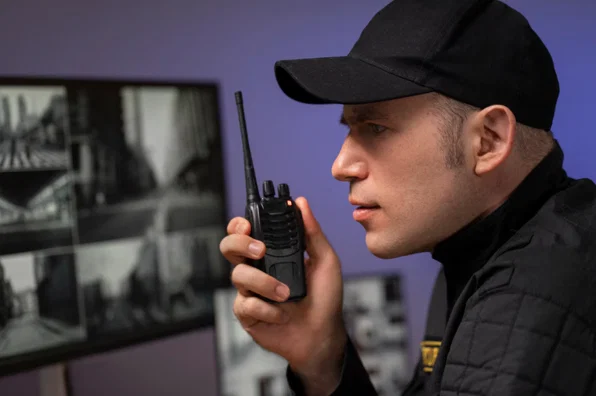
Reliable radio communication, defined escalation channels, incident reporting, and clear handoffs help prevent confusion during fast-moving situations. CISA’s event-planning resources emphasize coordination among planning teams, security personnel, law enforcement, and first responders as part of effective mass-gathering preparation.
Communication also supports post-event analysis. Officer reports can reveal recurring issues such as congested entrances, unauthorized access attempts, poor visibility, or inadequate staffing at particular locations.
Security Coverage Must Follow the Entire Event Lifecycle
Security requirements change throughout an event. Setup may involve contractors, equipment deliveries, and unsecured service areas. Ingress brings large numbers of guests through controlled points. Peak activity creates the highest concentration of people. Egress introduces crowd and traffic movement. Teardown can involve equipment, vendors, and staff moving through areas that were previously restricted.
Treating each phase separately allows security personnel to adjust their attention as conditions change. It also prevents a common mistake: assuming security ends when the scheduled program ends.
Final Remarks
Strong event security is not simply about placing guards at entrances. It is a coordinated process involving risk assessment, access control, crowd management, communication, observation, intervention, and continuous coverage.
When these elements work together, security personnel can identify developing problems before they become major disruptions. The result is a safer environment where guests can focus on the event rather than the risks surrounding it.
The best event security is often the security guests barely notice because potential problems are addressed before they have a chance to take center stage.