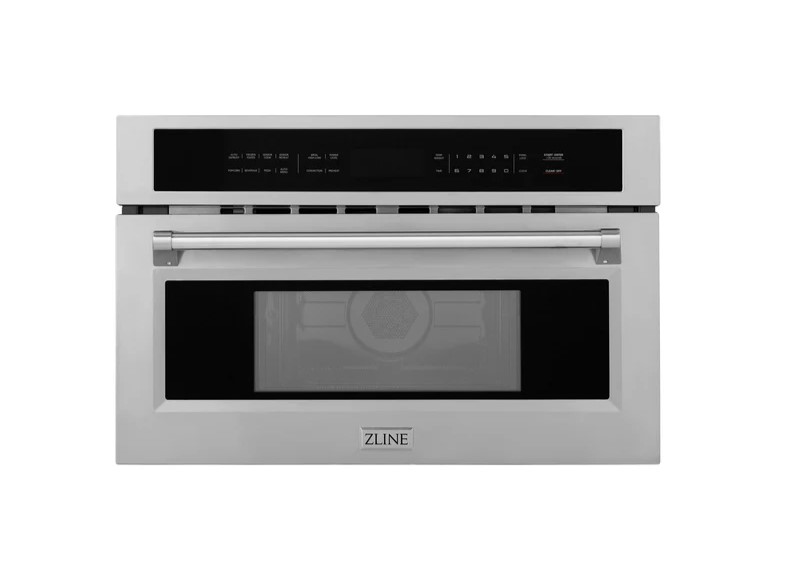
A well-designed kitchen depends on more than attractive cabinets and countertops. Cooking appliances influence how efficiently meals are prepared, how consistently food cooks, and how comfortably the kitchen functions during everyday use. As appliance technology continues to develop, homeowners can choose from equipment that combines professional-style performance with modern convenience.
When comparing high-end cooking appliances, it helps to look beyond appearance and price. Cooking capacity, burner performance, oven technology, controls, ventilation compatibility, and overall kitchen layout can all affect whether an appliance is suitable for a particular home.
What Defines a High-End Cooking Appliance?
High-end cooking appliances generally focus on performance, construction, functionality, and design. These appliances may include larger ranges, dual-fuel models, gas cooktops, convection ovens, built-in microwaves, and other specialized equipment.
The cooking collection at includes a broad selection of ranges, rangetops, ovens, and microwaves from ZLINE and Proline. Current offerings include 30-, 36-, and 48-inch ranges, including gas and dual-fuel configurations.
Rather than choosing an appliance solely because it looks impressive, homeowners should consider how its specifications align with their cooking habits.
Consider Cooking Surface Performance
The high-end cooking appliances is one of the most frequently used parts of a range, so burner configuration deserves careful attention. Different cooking styles may require different burner sizes and heat levels.
A larger range can provide more cooking zones, making it easier to prepare several dishes simultaneously. Some current models in the Smart Home Luxury collection feature multiple gas burners, while certain larger configurations combine burners with griddles or additional cooking surfaces.
The ideal configuration depends on how often multiple pots, pans, or specialty cookware are used at the same time. Home cooks who regularly prepare elaborate meals may benefit from more cooking space, while smaller households may prioritize a compact footprint.
Explore Oven Capacity and Cooking Technology
Oven design is another important consideration. Convection technology uses air circulation to distribute heat more evenly throughout the oven cavity, which can be useful for roasting and baking.
Larger ranges can also offer multiple ovens, allowing different dishes to cook at separate temperatures. Cooking collection includes several 48-inch models with dual ovens, while other ranges combine gas cooktops with electric convection ovens.
When evaluating oven capacity, consider both the size of typical cookware and the number of dishes usually prepared at once. A larger cavity can be useful for holiday meals or entertaining, but it may not be necessary for everyday cooking.
How Smart Features Add Convenience
Technology has also changed the way modern kitchens interact with cooking equipment. Smart cooking appliances can incorporate digital controls, sensor-based cooking, connected functions, or automated settings depending on the appliance.
Smart features are most useful when they solve an actual cooking or convenience problem. For example, sensor cooking can help automate certain microwave functions, while digital controls may make it easier to adjust settings precisely.
However, connected features should not replace attention to fundamental specifications. Heating performance, capacity, ease of cleaning, controls, and reliability remain important when comparing technologically advanced appliances.
Match Appliances to the Kitchen Layout
Even excellent equipment can feel inconvenient if it does not fit the kitchen properly. Before selecting a range or oven, homeowners should measure the available space and consider surrounding cabinets, countertops, ventilation, electrical connections, and gas requirements where applicable.
Large ranges can become focal points in spacious kitchens, but their dimensions need to work with the overall layout. A 48-inch range, for instance, requires considerably more space than a 30-inch model.
Look at Materials, Controls, and Maintenance
Appearance matters in a high-end kitchen, but practical details can have an equally significant effect on daily use. Stainless steel, black stainless steel, and other finishes can create different visual styles, while removable components and accessible controls can influence cleaning and usability.
Controls should be intuitive enough for everyday cooking. Knobs may appeal to homeowners who prefer physical adjustments, while digital interfaces can provide additional settings and precision.
Maintenance requirements should also be reviewed before purchase. Understanding how burners, oven interiors, racks, filters, and other components should be cleaned can help protect the appliance and maintain its performance over time.
Choosing Premium Appliances as a Complete System
A kitchen works best when its major appliances complement one another. Instead of selecting every appliance independently, homeowners can consider coordinated combinations of ranges, hoods, refrigerators, dishwashers, and microwaves.
This approach can also create a more consistent visual appearance while helping homeowners think about the kitchen as a complete working environment rather than a collection of unrelated appliances.
Conclusion
Selecting the right cooking equipment requires a balance between performance, convenience, design, and available kitchen space. By comparing these factors carefully, homeowners can identify premium cooking appliances that suit their cooking habits and create a practical, cohesive kitchen. Burner configuration, oven capacity, cooking technology, controls, ventilation, and maintenance requirements can all influence the long-term experience. While advanced features can add convenience, they should complement strong fundamentals rather than become the only reason for choosing an appliance.