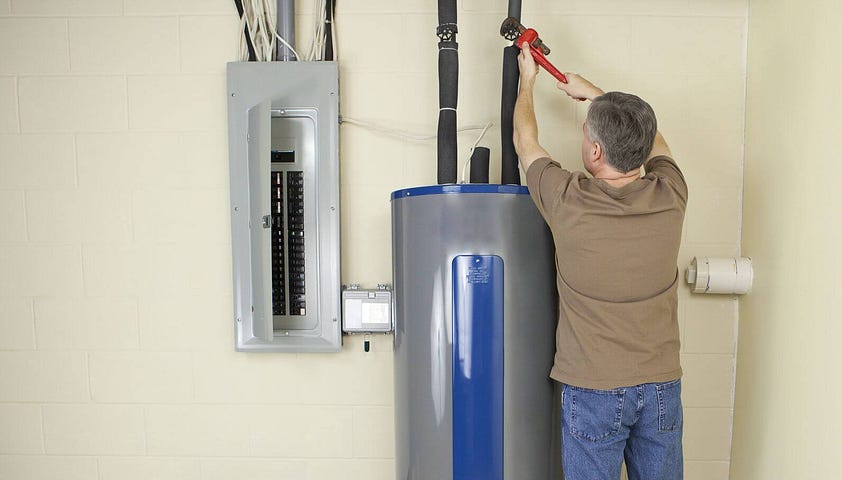
A gas-powered water heating appliance can operate reliably for years while receiving very little attention from the people who use it. Most homeowners notice the results of its operation rather than the system itself. Heated water arrives at the shower, dishwasher, and kitchen sink without anyone needing to think about combustion, temperature controls, or venting. Yet these functions must operate correctly every day. When unusual behavior develops, understanding which symptoms indicate inconvenience and which may indicate danger becomes essential.
Not every gas-fired equipment problem requires the same response. Some issues result in reduced heating performance and can be evaluated during a scheduled service appointment. Others may involve fuel supply, combustion, or exhaust gases and require immediate precautions. Homeowners seeking gas water heater service should understand the importance of qualified diagnosis because a symptom that appears simple may involve more than one component. Correcting the actual cause is more important than temporarily restoring the supply of heated water.
Safety awareness is particularly valuable in older New Jersey properties where heating equipment may have undergone previous modifications or where several fuel-burning appliances share a mechanical area. Original installation conditions may have changed following renovations, ventilation improvements, or equipment upgrades. These changes make it important to consider the appliance within the broader building environment rather than viewing it as an isolated piece of plumbing equipment.
Understanding the Difference Between Performance and Safety Problems
A longer heating cycle, reduced storage capacity, or unusual operating noise may indicate declining performance. These symptoms deserve professional attention, but they do not automatically establish an immediate emergency. By contrast, suspected gas leakage, carbon monoxide alarms, and unsafe combustion conditions can present serious hazards.
Knowing the distinction helps homeowners respond appropriately.
When a failure creates an immediate safety concern or results in an urgent disruption that cannot reasonably be deferred, professional emergency water heater repair may be needed. The priority should always be protecting occupants and preventing additional damage, not attempting to restart an appliance that could be unsafe.
Performance Concerns That Need Investigation
Common performance symptoms include insufficient heated water, repeated shutdowns, or a noticeable change in recovery time. These conditions may involve controls, ignition components, internal deposits, or other faults. Accurate diagnosis requires knowledge of the appliance’s design. A technician can examine relevant operating conditions and determine what corrective work is appropriate.
Conditions That Require Immediate Precautions
The smell of natural gas or a sounding carbon monoxide alarm should never be treated as an ordinary service inconvenience. If gas leakage is suspected, occupants should leave the area without operating switches, appliances, or ignition sources and contact the gas utility or emergency services from a safe location.
If a carbon monoxide alarm activates, follow its emergency instructions, evacuate, and seek emergency assistance. Do not remain inside to investigate the appliance.
How Combustion Affects Safe Appliance Operation
Gas-fired equipment generates heat through controlled combustion. This process requires the correct delivery of fuel and adequate management of combustion products. The appliance’s design determines how air is supplied and how exhaust gases are discharged.
Combustion Air Requirements
Some appliances obtain combustion air from their surrounding installation area. Others use dedicated arrangements intended to separate combustion from indoor air. The equipment must operate under conditions consistent with its design and applicable requirements.
Changes to the surrounding space can affect those conditions. For instance, enclosing a previously open mechanical area or adding equipment that changes indoor air pressure may influence how certain fuel-burning appliances operate.
Such changes should be reviewed by a qualified professional.
Why Exhaust Venting Is Important
Combustion products must be discharged safely. Different appliance categories use different venting technologies, materials, and operating principles. An atmospheric-vent model may not have the same requirements as a direct-vent or power-vented system.
A venting arrangement that was suitable for an older appliance should not automatically be assumed appropriate for a new one. Improper or deteriorated venting can create a risk of combustion gases entering occupied spaces.
The Role of Carbon Monoxide Alarms
Carbon monoxide is an odorless, colorless gas. Its presence cannot be determined safely through smell or ordinary visual inspection. Working carbon monoxide alarms provide an important layer of protection in homes with fuel-burning equipment. Alarms should be installed and maintained according to their instructions and applicable local requirements. They do not replace appropriate appliance installation, inspection, and servicing.
What Different Operating Symptoms May Indicate
The same visible symptom can originate from several causes, so observations should be treated as clues rather than definitive diagnoses.
Consider a system that suddenly stops heating. The problem might involve an ignition sequence, a control fault, or a protective shutdown. Without testing, it is impossible to establish which explanation is correct.
Pilot or Ignition Failures
Gas-fired appliances use ignition arrangements appropriate to their design. Older equipment may have a standing pilot, while many newer systems use electronic ignition. If the required ignition process fails, the burner may remain inactive.
The underlying cause may involve ignition components, controls, or another condition that prevents operation. Owners should follow only the limited procedures explicitly permitted in their manufacturer documentation. Repeated attempts to restart malfunctioning equipment are not a substitute for diagnosis.
Repeated Automatic Shutdowns
Modern safety controls may interrupt operation when abnormal conditions occur. A shutdown may be inconvenient, but it can also indicate that a protective device is responding to a problem. Bypassing or defeating such controls can create serious hazards. A professional should establish why the shutdown occurred before the appliance returns to normal use.
Unusual Flame or Combustion Behavior
Changes in flame characteristics can sometimes indicate operating abnormalities, although appearance alone is not a reliable diagnostic method for every burner design. Homeowners should not remove protective covers or adjust combustion components to investigate. If unusual combustion behavior is visible through an intended viewing area, document the observation and arrange appropriate professional assessment.
Why Older Homes May Need Additional Attention
New Jersey contains residential properties built during many different periods.
Some houses have been renovated repeatedly, with heating, electrical, ventilation, and plumbing systems updated at different times. The resulting mechanical arrangements may differ significantly from those present when the building was first constructed.
Changes to Mechanical Rooms
A basement utility area may have originally been open to a larger space. Later renovations might introduce walls, doors, or additional equipment. Such modifications can affect required clearances, accessibility, and combustion-air arrangements. Homeowners should not assume that an installation remains suitable simply because it has operated for many years.
Shared Venting Arrangements
Certain installations may involve more than one fuel-burning appliance connected to a common venting system. Changing one appliance can alter the technical requirements of that arrangement.
For example, replacing existing equipment with a design that vents differently may require reviewing the remaining connected appliances.
These questions should be handled by professionals familiar with the equipment and relevant requirements.
Equipment Installed in Tight Spaces
Some appliances are located in closets or restricted mechanical areas. Safe servicing requires adequate access.
Combustible materials, household storage, or later modifications should not obstruct the clearances specified for the appliance. Maintaining access helps make inspections and necessary corrective work more practical.
Understanding Water-Related Problems in Gas Equipment
Not every issue associated with gas-fired heating involves combustion. The appliance is also part of the domestic water system. Corrosion, pressure conditions, and internal mineral deposits can influence its performance and longevity.
Pressure and Temperature Protection
Storage appliances generally include safety provisions designed to protect against excessive pressure or temperature. Their configuration and requirements depend on the system. Water emerging from a relief discharge should be investigated rather than ignored.
Homeowners must not cap, block, or otherwise defeat a temperature-and-pressure relief discharge. Doing so can create extremely dangerous conditions. A qualified plumber can evaluate whether the discharge is related to pressure, temperature, or a defective component.
Mineral Accumulation
Heated water can leave mineral deposits inside equipment. The rate and severity depend on water chemistry and operating conditions. Accumulation may influence heat transfer or contribute to unusual sounds. However, homeowners should avoid assuming that every noise indicates sediment. A professional can assess whether cleaning or other work is appropriate.
Corrosion and Visible Leakage
Corrosion may affect fittings, connected plumbing, or the storage vessel. Visible water near the equipment should be investigated promptly.A repairable external connection is different from a structurally compromised tank. The diagnosis determines whether localized work is appropriate or whether the appliance can no longer remain in service.
Establishing a Sensible Inspection Routine
Homeowners do not need to perform technical combustion tests themselves. Their role is to recognize visible changes, maintain a suitable installation environment, and obtain qualified assistance when required.
Observe Without Disassembling
Useful observations include unusual sounds, repeated shutdowns, changes in temperature, and visible moisture. You can also note whether problems appear during periods of unusually high household demand. These details may assist a technician. However, observing symptoms should not involve removing covers, altering gas connections, or opening combustion chambers.
Keep Documentation Available
Manufacturer instructions, model information, service invoices, and installation records can help future technicians. These documents may clarify the equipment’s age, previous component replacements, and required service procedures. Maintaining a record is particularly helpful when several different contractors have worked on the property over time.
Schedule Model-Appropriate Servicing
Inspection and maintenance requirements vary by appliance design and operating environment. A technician may need to evaluate venting, controls, water connections, and other relevant components. The manufacturer’s recommendations provide an important reference. Service schedules should reflect actual requirements rather than generic assumptions about every gas-fired system.
Communicating Effectively With a Service Professional
A clear description of the problem can improve the efficiency of a service visit. Homeowners should explain what changed, when it changed, and whether the symptom occurs consistently.
Describe the Sequence of Events
Instead of saying only that the appliance is not functioning, explain whether the failure developed gradually or occurred suddenly. Mention recurring shutdowns, previously completed work, or changes in household demand. These details may help the technician determine what needs further investigation.
Request an Explanation of the Findings
Once a diagnosis is complete, homeowners can ask which component or operating condition caused the problem. They may also ask whether the proposed work resolves the underlying cause or only addresses one symptom. For significant repairs, understanding the condition of the remaining appliance is useful. A clear explanation supports better decisions.
Understand When Equipment Should Remain Off
Some problems can be corrected during the service visit. Others may require additional parts, repairs to connected systems, or replacement of unsafe equipment. Homeowners should follow professional instructions when an appliance must remain out of service. Restoring operation before safety concerns are resolved can create unnecessary risk.
Conclusion
Gas-fired heating equipment requires more than adequate water-heating capacity. Safe performance depends on combustion, venting, controls, plumbing connections, and protective devices operating as designed.Changes in hot water availability, repeated shutdowns, unusual sounds, and visible leakage should be evaluated according to their likely severity. Suspected gas leaks, carbon monoxide alarms, and serious combustion concerns require immediate safety precautions rather than ordinary troubleshooting.
In New Jersey, awareness of installation conditions and the effects of past building modifications can be particularly useful. Reliable long-term operation depends on recognizing warning signs, maintaining appropriate safety devices, and obtaining qualified professional assistance when equipment behavior changes.