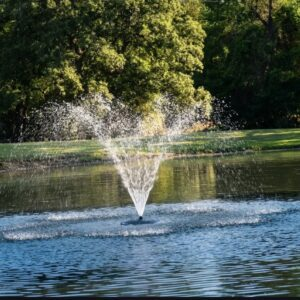
A healthy pond depends on more than just clear water and a few fish; it needs movement, oxygen, and a way to keep algae and debris in check. This is where a floating pond fountain becomes such a valuable addition. Beyond the visual appeal of dancing water in the middle of a pond, these fountains play a functional role in supporting aquatic ecosystems, making them a popular choice for homeowners, golf courses, and property managers alike.
How Floating Pond Fountains Work
Unlike fixed fountains that require a permanent base or plumbing setup, a floating pond fountain sits directly on the water’s surface, buoyed by a specially designed float. A submersible pump draws water up through the unit and disperses it through a nozzle, creating a spray pattern that can range from a gentle mist to a tall, dramatic plume. Because the unit floats freely, installation is significantly easier than with stationary fountains, and this type of fountain can be used in ponds of varying depths without structural modifications.
Benefits for Pond Health
One of the most overlooked advantages of a floating pond fountain is aeration. As water is sprayed into the air and falls back down, it interacts with oxygen, which helps replenish dissolved oxygen levels in the pond. This is especially important in warmer months, when stagnant water is more prone to low-oxygen conditions that stress fish and other aquatic life. Improved circulation also helps prevent the buildup of algae, since stagnant, nutrient-rich water is the ideal breeding ground for algal blooms. By keeping water moving, this style of fountain naturally discourages algae growth without relying heavily on chemical treatments.
Choosing the Right Fountain for Your Pond
Not all fountains are built the same, and choosing the right floating pond fountain depends largely on pond volume. A general guideline is to match horsepower to the surface area or gallons of water being treated; underpowered units may not provide adequate circulation, while oversized ones can waste energy. Spray pattern is another consideration; some homeowners prefer a single-tier plume for a classic look, while others opt for multi-tier patterns that create a more elaborate visual centerpiece. It’s also worth checking whether the pump is rated for continuous operation, since many pond owners run their fountains for extended periods throughout the day.
Adding Visual Enhancements
For those who want their pond to remain a focal point after sunset, many fountain systems can be paired with water fountain lights, which illuminate the spray pattern and create a striking nighttime display. LED lighting kits are the most common option, as they are energy-efficient and often come in multiple color settings. These lighting additions are typically installed around the base of the fountain or integrated directly into the float, allowing the light to shine upward through the water spray for a layered visual effect.
Maintenance Considerations
Routine maintenance keeps a floating pond fountain running efficiently and extends the lifespan of its components. This generally includes periodically inspecting the intake screen for debris, checking the float for algae buildup, and ensuring the anchoring lines remain secure, particularly in ponds exposed to wind or heavy rain. In colder climates, many owners remove their fountains during winter months to prevent ice damage to the pump and float. Manufacturers typically recommend checking oil levels in the motor housing (if applicable) on a seasonal basis, since this can affect long-term performance.
Conclusion
A well-chosen fountain does more than beautify a pond; it actively supports the ecosystem beneath the surface. Pairing a fountain with accessories like water fountain lights can further enhance the space, extending its visual impact well into the evening hours. Whether the goal is better oxygenation, algae control, or simply a more inviting outdoor space, understanding how these systems work makes it easier to choose one suited to a pond’s specific needs.