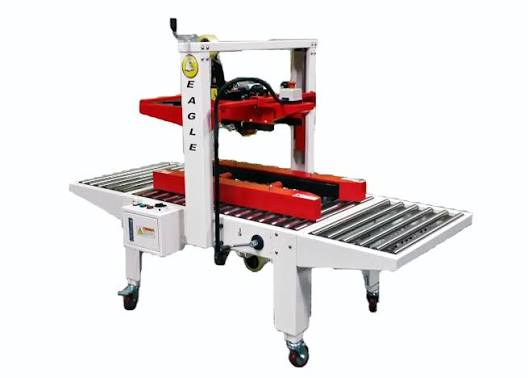
Packaging automation has become an essential part of modern manufacturing, warehousing, and distribution. Businesses across various industries depend on reliable equipment to package products quickly, consistently, and safely. Eagle Machinery is commonly associated with industrial packaging systems that help streamline end-of-line operations through equipment such as stretch wrappers, strapping machines, shrink wrappers, conveyors, and case handling systems. Proper maintenance and timely replacement of components are essential to ensure these machines continue operating at peak efficiency.
Regardless of the industry, packaging equipment operates under demanding conditions and often runs continuously throughout production shifts. Routine inspections, preventive maintenance, and replacing worn components before failure can significantly reduce downtime, improve packaging quality, and extend equipment lifespan. Understanding the role of packaging machinery and its major components helps businesses maximize operational performance while minimizing costly production interruptions.
What Is Eagle Machinery?
Eagle Machinery refers to industrial packaging equipment designed to automate various packaging processes, improving productivity while maintaining consistent package quality.
Common equipment categories include:
- Stretch wrapping machines
- Strapping machines
- Shrink wrapping equipment
- Conveyor systems
- Case erecting machines
- Labeling equipment
- Integrated packaging systems
These systems are widely used across manufacturing facilities, warehouses, logistics centers, and distribution operations to improve packaging efficiency and reduce manual handling.
Benefits of Automated Packaging Equipment
Increased Production Speed
Automation allows businesses to package more products in less time compared to manual processes.
Consistent Packaging Quality
Machines apply wrapping, sealing, or strapping with greater precision, reducing errors and ensuring products remain secure during transportation.
Lower Labor Costs
Automated equipment minimizes repetitive manual tasks, allowing employees to focus on higher-value production activities.
Improved Workplace Safety
Reducing manual handling helps minimize workplace injuries while creating a safer operating environment.
Key Components That Require Regular Maintenance
The long-term performance of Eagle Machinery depends on maintaining several critical components.
Drive Systems
Motors, gearboxes, belts, and chains transfer power throughout the machine and should be inspected regularly for wear and proper alignment.
Rollers and Conveyors
Rollers guide products smoothly through packaging lines. Damaged or worn rollers may reduce efficiency and affect package consistency.
Sensors and Controls
Photoelectric sensors, limit switches, and electronic control systems ensure accurate machine operation and should be kept clean and properly calibrated.
Sealing and Wrapping Assemblies
Components responsible for sealing, strapping, or wrapping products should be inspected frequently to maintain consistent package quality.
Bearings
Bearings reduce friction between moving parts and should be monitored for excessive wear or unusual vibration.
Proper maintenance of these components helps extend equipment life while reducing unexpected downtime.
Preventive Maintenance Best Practices
A structured preventive maintenance program helps keep packaging equipment operating efficiently.
Recommended practices include:
- Clean equipment after production shifts.
- Inspect belts and chains regularly.
- Check conveyor alignment.
- Verify sensor functionality.
- Lubricate approved moving components.
- Tighten loose fasteners.
- Replace worn components before failure occurs.
- Maintain detailed maintenance records.
Routine servicing allows maintenance teams to identify minor issues before they develop into expensive repairs.
Industries That Use Packaging Equipment
Packaging automation supports a wide variety of industries.
Common applications include:
- Food and beverage manufacturing
- Pharmaceutical production
- Consumer goods
- Electronics manufacturing
- Industrial products
- E-commerce fulfillment
- Warehousing
- Distribution centers
These industries rely on dependable packaging systems to maintain production schedules while protecting products throughout the supply chain.
Choosing Quality Replacement Components
Even well-maintained equipment eventually requires replacement parts due to normal wear.
When selecting replacement components, businesses should consider:
- Equipment compatibility
- Material quality
- Manufacturing precision
- Durability
- Availability
- Technical support
Using properly matched replacement parts helps maintain equipment performance while reducing the likelihood of unexpected breakdowns.
Extending Equipment Lifespan
Businesses can maximize the service life of Eagle Machinery by adopting proactive maintenance strategies.
Helpful recommendations include:
- Train operators thoroughly.
- Follow manufacturer maintenance schedules.
- Monitor equipment performance regularly.
- Keep machinery clean.
- Replace worn components promptly.
- Maintain an inventory of essential spare parts.
- Address unusual noises or vibrations immediately.
These practices improve machine reliability while reducing long-term maintenance costs.
Why Spare Parts Inventory Matters
Maintaining an organized inventory of commonly replaced components enables faster repairs and minimizes production delays.
Frequently stocked items include:
- Bearings
- Rollers
- Drive belts
- Chains
- Sensors
- Switches
- Motors
- Fasteners
Conclusion
Eagle Machinery plays an important role in supporting efficient packaging operations across manufacturing, logistics, and distribution industries. Through preventive maintenance, routine inspections, operator training, and timely replacement of worn components, businesses can maximize equipment performance while reducing downtime and extending machine lifespan. Maintaining an adequate inventory of part machine components further supports reliable production and helps ensure packaging operations continue running efficiently. Having these components readily available allows maintenance teams to restore equipment quickly and maintain continuous production.